SehatiCore Supplement


The Global Paradigm Shift in Vegan & Functional Ingredients
The global ingredient supply chain is undergoing a profound structural evolution. Driven by consumers prioritizing sustainability, ethical sourcing, and bio-compatible efficiency, plant-derived and synthetically bio-identical vegan alternatives are replacing standard animal-derived components. Sourcing managers and cosmetic chemists are no longer asking if a product is plant-based; they are examining the molecular viability, clean-label transparency, and technological carbon footprint of those raw materials. This comprehensive whitepaper explores the technological paradigms of top vegan ingredient factories and global suppliers.
1. Crucial Trends Shaping the Vegan Ingredient Industry
Modern consumers demand active ingredients that perform at or above traditional baselines without ethical compromise. In the cosmetic and daily chemical sectors, the rise of the "Clean Beauty" movement and stringent international regulations have mandated a transition away from traditional animal sources (such as bovine-derived collagen or tallow-derived surfactants). Key industrial trends include:
- Biotechnology and Precision Fermentation: Green chemistry relies heavily on enzymatic synthesis and bacterial fermentation. By training specific yeast or bacteria strains, factories can synthesize complex raw materials (such as functional peptides, prebiotics, and specific organic acids) with extreme purity and zero animal interaction.
- Green Surfactants: Replacing sulfates and traditional harsh soap bases with bio-derived alternatives like Cocamidopropyl Hydroxysultaine (sourced from plant lipids). These molecules provide ultra-low skin irritation profiles while yielding superior foam performance.
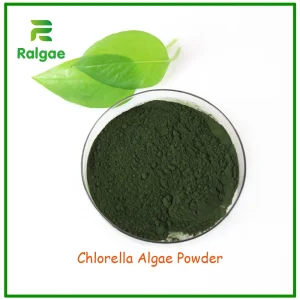
- Nutricosmetics and Functional Foods: The blending of cosmetics and dietary supplements. Ingredients like soy protein isolates, chlorella powder, and advanced prebiotics are formulated into complex food matrixes or daily capsules, tackling anti-aging, sleep improvement, and gut health directly from the inside out.
Information Gain Perspective:
True sustainability relies on scalable production. The paradigm has shifted from basic wild botanical extraction—which frequently damages natural ecosystems—to smart indoor cultivation, enzymatic biocatalysis, and high-performance fermentation tanks that yield identical or enhanced active ingredient outputs with a fraction of the land and water consumption.
2. Decoding Global Procurement Demands for Vegan Sourcing
For procurement officers in North America, South America, and Europe, choosing a reliable vegan raw materials factory is a balance between raw parameter checking and compliance documentation. The primary procurement vectors include:
Rigid Regulatory Certificates
Compliance documentation like FDA certifications, ISO 9001/22000, GMP standards, and COSMOS/Ecocert certifications for raw ingredients are essential for smooth custom clearances.
Consistency & Batch Control
Large-scale production runs require strict consistency. B2B buyers mandate HPLC/GC-MS testing profiles for every delivery to ensure zero variability in active levels.
Supply Security & Lead Times
Post-pandemic sourcing prioritizes factories that secure local precursor chemical bases, shielding procurement departments from international logistics shocks.
3. China Factory 4.0: Sourcing Resilience and Technological Efficiencies
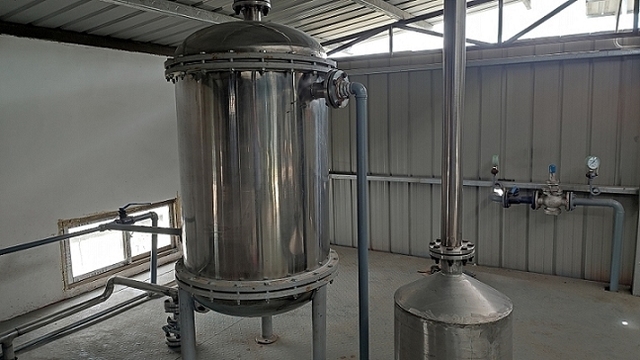
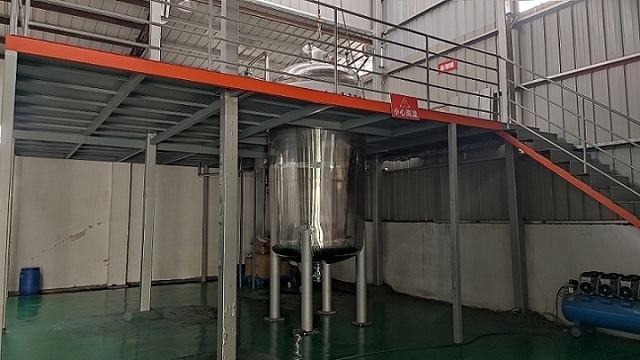
China's ingredient manufacturing industry has transitioned from manual processing to hyper-automated "Factory 4.0" systems. Leading factories leverage smart IoT sensors, automated dry-powder blending machines, and computerized bioreactors to streamline production. This digital integration yields distinct B2B purchasing benefits:
- Intelligent Cost Control: Real-time energy monitoring and continuous enzymatic synthesis reduce chemical input waste, maintaining highly competitive margins without reducing safety parameters.
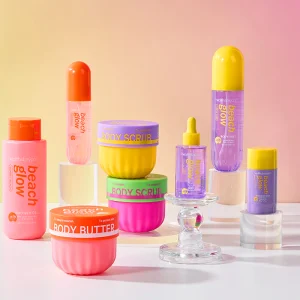
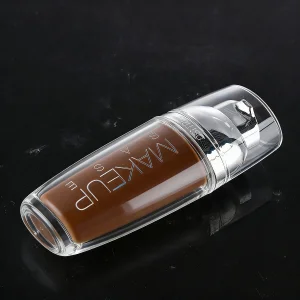
- Modular OEM/ODM Capacity: Automated lines can adapt packaging configurations dynamically—switching seamlessly from bulk industrial liquid packaging to retail-ready customized color components (such as private label cosmetics, eye cream bottles, or custom supplement jars) with minimal delay.
- Eco-conscious Waste Treatment: Contemporary factories operate high-efficiency water treatment and emissions systems, ensuring compliance with strict environmental standards while minimizing plant shutdowns due to environmental audits.
4. Sourcing Breakdown: Technical Applications of Top Vegan Actives
To assist chemical formulators and product designers, we map common vegan raw material classifications directly to their industrial and clinical applications:
A. Cocamidopropyl Hydroxysultaine (CAS 68139-30-0)
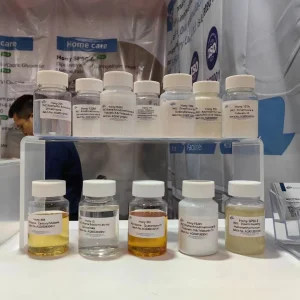
An amphoteric surfactant synthesized from vegetable lipids. Known for delivering dense, stable micro-foam even in hard water environments. In clean cosmetics, it reduces the irritation threshold of anionic surfactants, making it ideal for baby formulas, micellar waters, and specialty sensitive-skin shampoos.
B. Functional Soy Protein Isolate
Extracted from non-GMO soy crops, this raw material offers a robust gelling capacity, water binder matrix, and oil emulsification coefficient. It is a cornerstone ingredient in structured plant-based meats, dairy-free spreads, and hybrid high-protein protein isolates.
C. Advanced Peptides & Enzymatic Supplement Materials
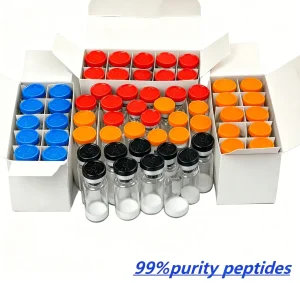
Small-chain vegan peptides act as cellular signaling molecules, encouraging localized dermal collagen production. On the nutritional side, 99% pure enzymatically produced supplement actives target cellular health and oxidative stress mitigation without requiring animal-derived enzymes.
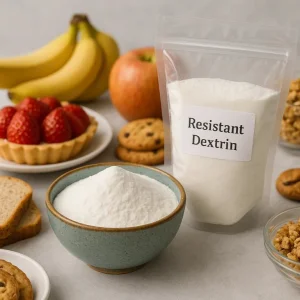
D. Prebiotic Dietary Fibers (GOS & Resistant Maltodextrin)
High-purity soluble prebiotic fibers are vital for digestive health formulations. Ingredients like Resistant Maltodextrin and Galacto-oligosaccharides (GOS) provide structural bulk, moisture control, and heat-stable prebiotic properties for baby formulations, functional beverages, and weight-management powders.
5. Global Geographic Intent: Sourcing Demands Across Regions
Different regional consumer priorities guide regional procurement trends:
- North American Market: Strong focus on USDA Organic, non-GMO verified, and clean-label cosmetic ingredients. Brands are looking to replace silicones and petroleum derivatives with plant oils and bio-surfactants.
- European Union Market: Heavily governed by REACH regulations and strict animal testing bans. Sourcing directors demand complete supply chain transparency alongside certified biodegradable safety profiles.
- South American Market (e.g., Brazil): High demand for vibrant, trendy cosmetics (such as high-gloss lip oils, shimmer glosses) that are completely vegan, cruelty-free, and resistant to high humidity.
- Asia-Pacific Market: High demand for whitening actives (such as 4-N-Butylresorcinol), infant nutrition ingredients, and dairy-free baby formula solutions.