Peptide Purity Threshold
Standardized Compliance
Max Moisture Content in Feed
Batch Verification Standards
Leading bio-functional compounds for pharmaceutical, cosmetic, and dietary supplement formulations.
Analyzing B2B extraction processes, bioactive content standardization, and supply chain trends.
In the modern nutraceutical, cosmetic, and pharmaceutical landscapes, the sourcing of botanical raw materials has progressed beyond simplistic extraction. Global manufacturers now utilize advanced extraction techniques to target specific secondary metabolites, such as polyphenols, alkaloids, and active peptides. B2B buyers require reliable partnerships with manufacturers that possess deep infrastructure, strict regulatory adherence, and the capability to deliver consistent, high-purity active ingredients.
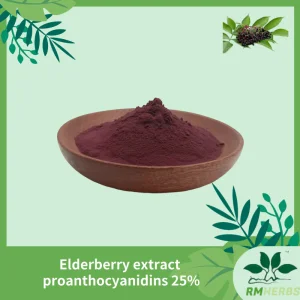
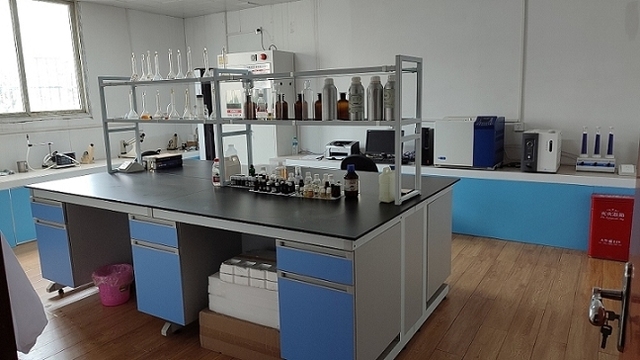
Standardization acts as the benchmark for evaluation. Unlike raw botanical powders, standardized extracts guarantee precise therapeutic dosages by quantifying active chemical markers (e.g., Phaseolamin in white kidney bean extract or Proanthocyanidins in elderberry extract) via High-Performance Liquid Chromatography (HPLC) and Gas Chromatography-Mass Spectrometry (GC-MS). This systematic rigor ensures product batch-to-batch consistency and therapeutic efficacy across global distribution networks.
Hangzhou SehatiCore Supplement Co., Ltd. serves as a direct manufacturer and global supplier specializing in functional cosmetic raw materials and natural skincare active ingredients. Emphasizing clean extraction technologies, biotechnology integration, and sustainable sourcing, SehatiCore represents the modern manufacturer required to navigate clean beauty initiatives, clinical efficacy standards, and international safety compliance.
What defines a top-tier manufacturer of therapeutic herbal compounds and cosmetic active ingredients?
Top manufacturers maintain international certifications including ISO 22000, Hazard Analysis Critical Control Point (HACCP), and Good Manufacturing Practices (GMP). This infrastructure guarantees traceability from raw crop cultivation to the finalized active powder shipment.
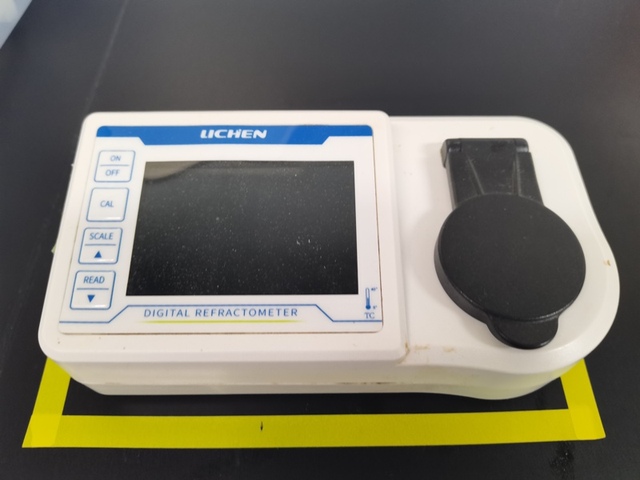
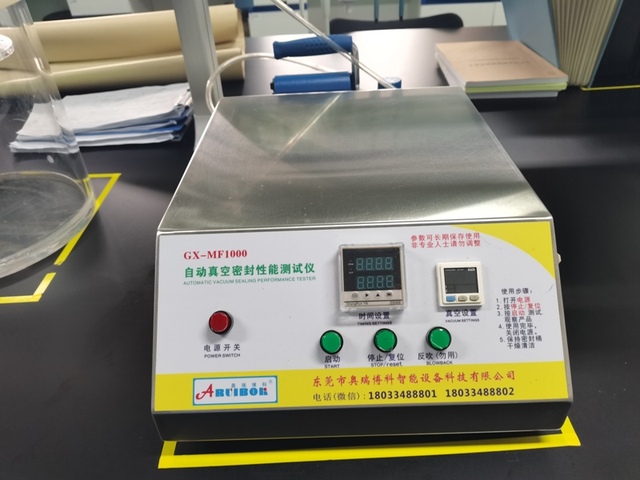
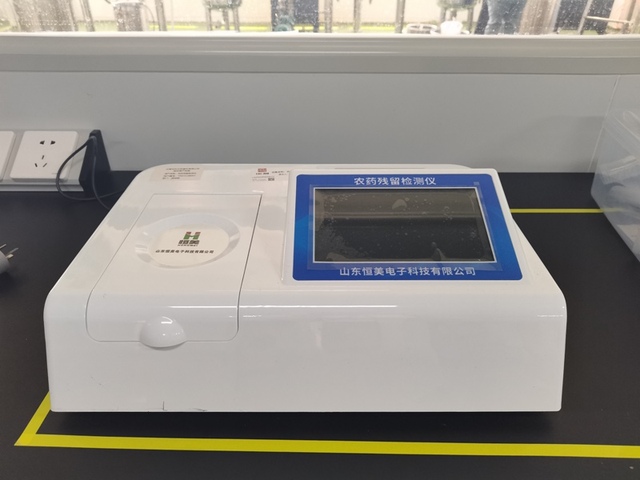
Complete documentation, including a Certificate of Analysis (COA), heavy metal screening (ICP-MS), microbial counts, and pesticide residual limits, must accompany every production batch to verify active pharmaceutical and cosmetic ingredient integrity.
Utilizing eco-friendly solvents (such as subcritical water extraction or supercritical carbon dioxide) minimizes VOC residues, aligns with global clean beauty policies, and preserves volatile therapeutic compounds from thermal degradation.
How global enterprises integrate botanical extracts and raw materials into end-user products.
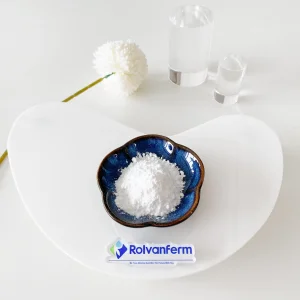
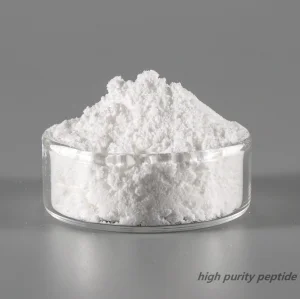
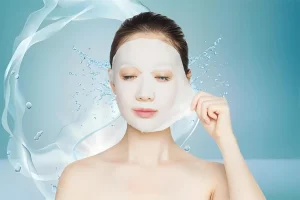
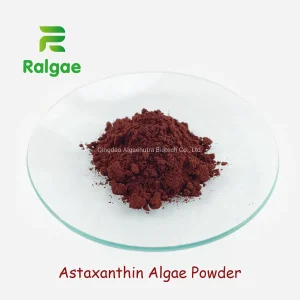
Integration of active peptides (99.5% purity benchmarks), natural antioxidants like Astaxanthin algae powder, and specialized face mask raw materials. These ingredients support skin elasticity, moisture barrier retention, and protection against UV irradiation in modern skin care formulations.
Clinical dietary supplements rely on highly purified α-amylase inhibitors, such as White Kidney Bean extract. These standardized powders prevent the degradation of complex starches into simple sugars, offering functional support for metabolic and weight management formulations.
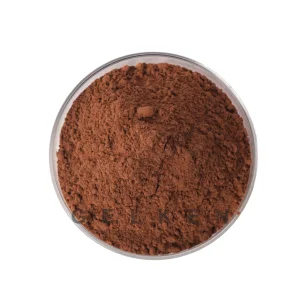
Standardized food-grade materials like alkalized cocoa powder and Elderberry extracts (rich in immunomodulatory proanthocyanidins) provide foundational support for health beverages, fortified snack lines, and vitamin delivery systems.
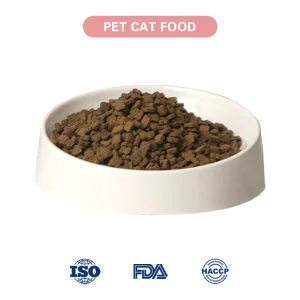
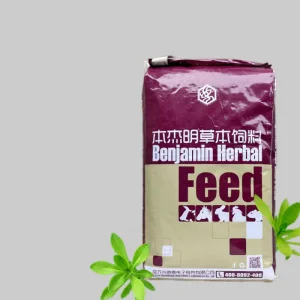
Herbal feed formulations, capped at a 14% maximum moisture threshold, utilize therapeutic botanicals to replace synthetic growth promoters, improving digestive efficiency and supporting pet wellness trends.
Specialized horticultural and commercial facilities integrate botanical pest control solutions through automated misting systems, providing chemical-free mosquito repellency on golf courses and municipal properties.
Active mineral complexes like Ferric Pyrophosphate are blended with bio-botanicals to improve micronutrient absorption and target deficiency profiles, without altering the sensory profiles of finished products.
The manufacturing process from raw botanical materials to standardized active ingredients.
Botanicals are selected from verified agricultural regions. Standardized testing identifies and excludes raw crop batches containing high pesticide levels, heavy metal exposure, or microbial pathogens.
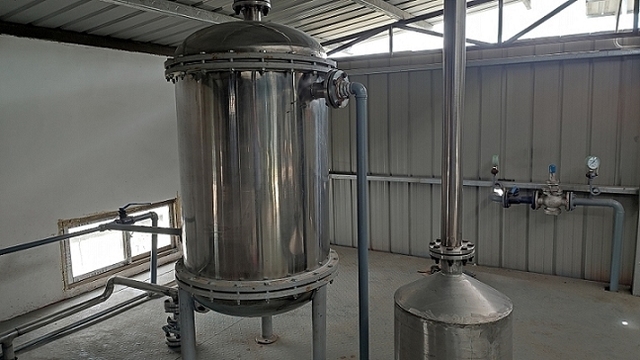
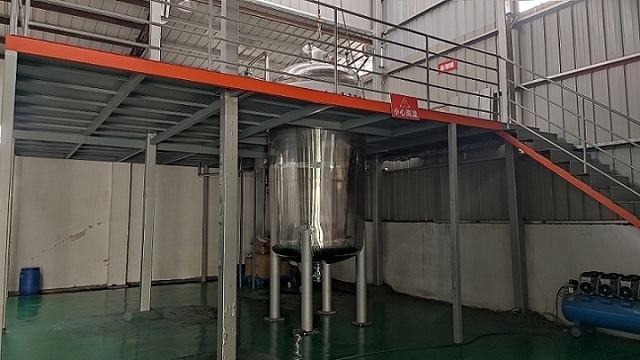
Under controlled temperature and pressure conditions, carbon dioxide acts as a solvent to extract fragile compounds without chemical residues, preserving the stability of temperature-sensitive phytochemicals.
For high-purity peptides and concentrated active ingredients, enzymatic processes isolate targeting molecules. Reagents are monitored to ensure the final product meets specified purity levels.
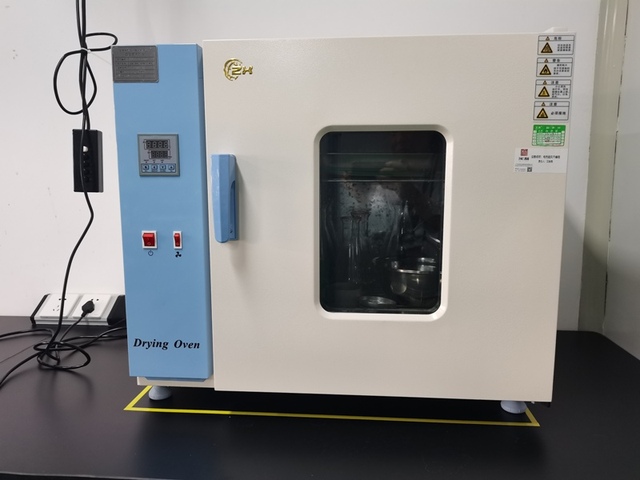
Liquid concentrates are dried into uniform powders under sterile conditions, optimizing particle size distribution, solubility profiles, and long-term storage stability for B2B operations.
How specialized manufacturing clusters enable supply stability and optimized logistics.
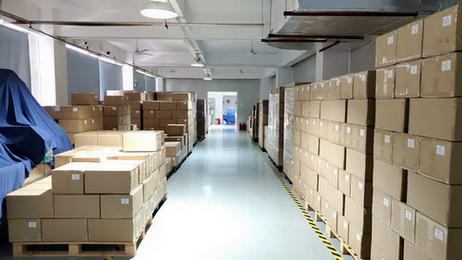
China's herbal extraction industry benefits from integrated agricultural networks, regional manufacturing clusters, and advanced transport infrastructure. Coastal hubs like Zhejiang allow suppliers such as Hangzhou SehatiCore Supplement Co., Ltd. to coordinate supply lines from rural cultivation centers to international shipping points.
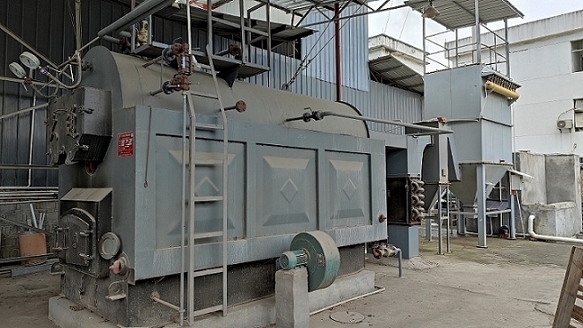
This network supports scale efficiency, allowing manufacturers to adapt extraction output to meet demand variations. High levels of process automation and advanced facilities reduce unit costs while maintaining compliance with international import standards, including those of the US FDA, European Union regulations, and regional compliance frameworks.
Answering common engineering, formulation, and regulatory questions from procurement managers.
Explore our extended range of active ingredients, food-grade additives, and clinical machinery.
 SehatiCore Supplement