SehatiCore Supplement
1 / 5
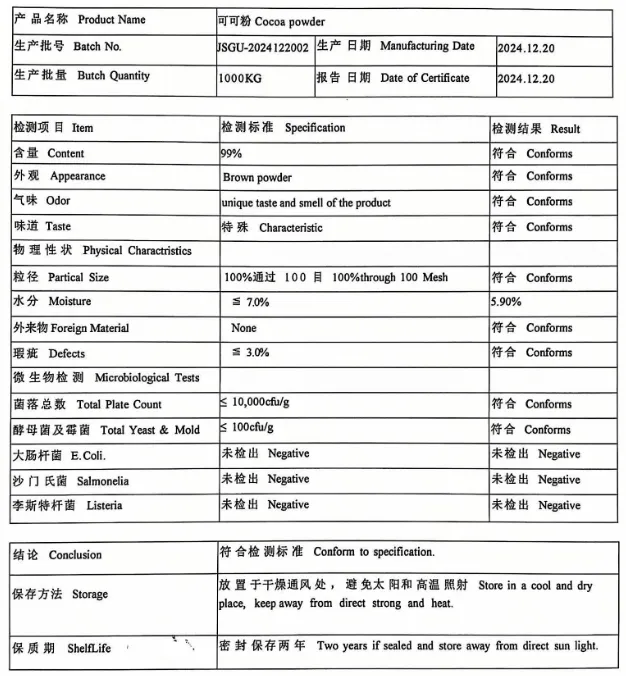
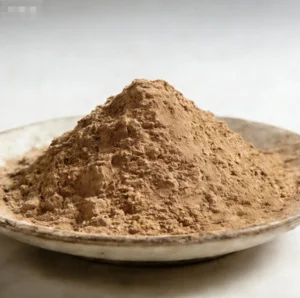
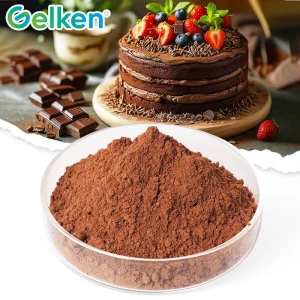
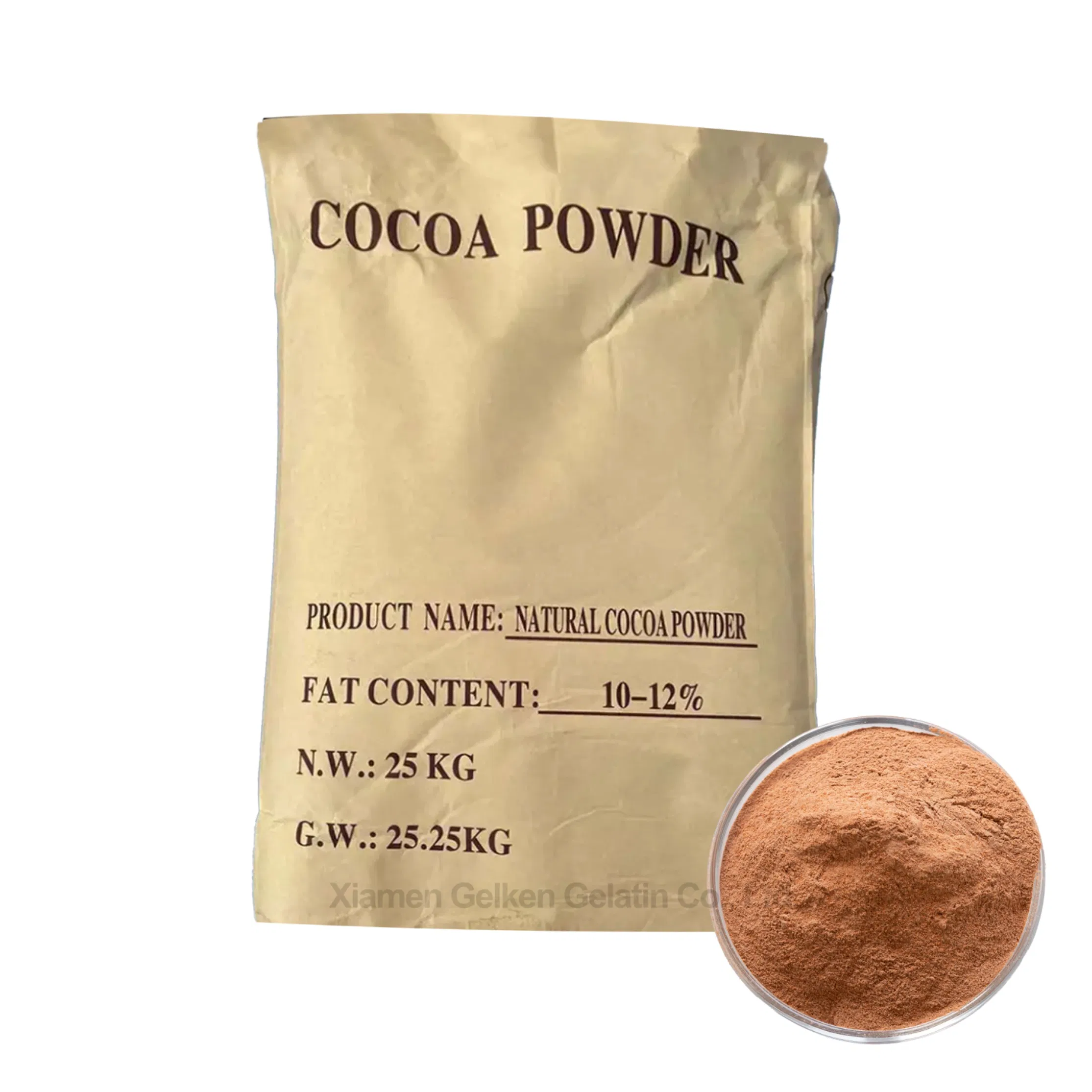
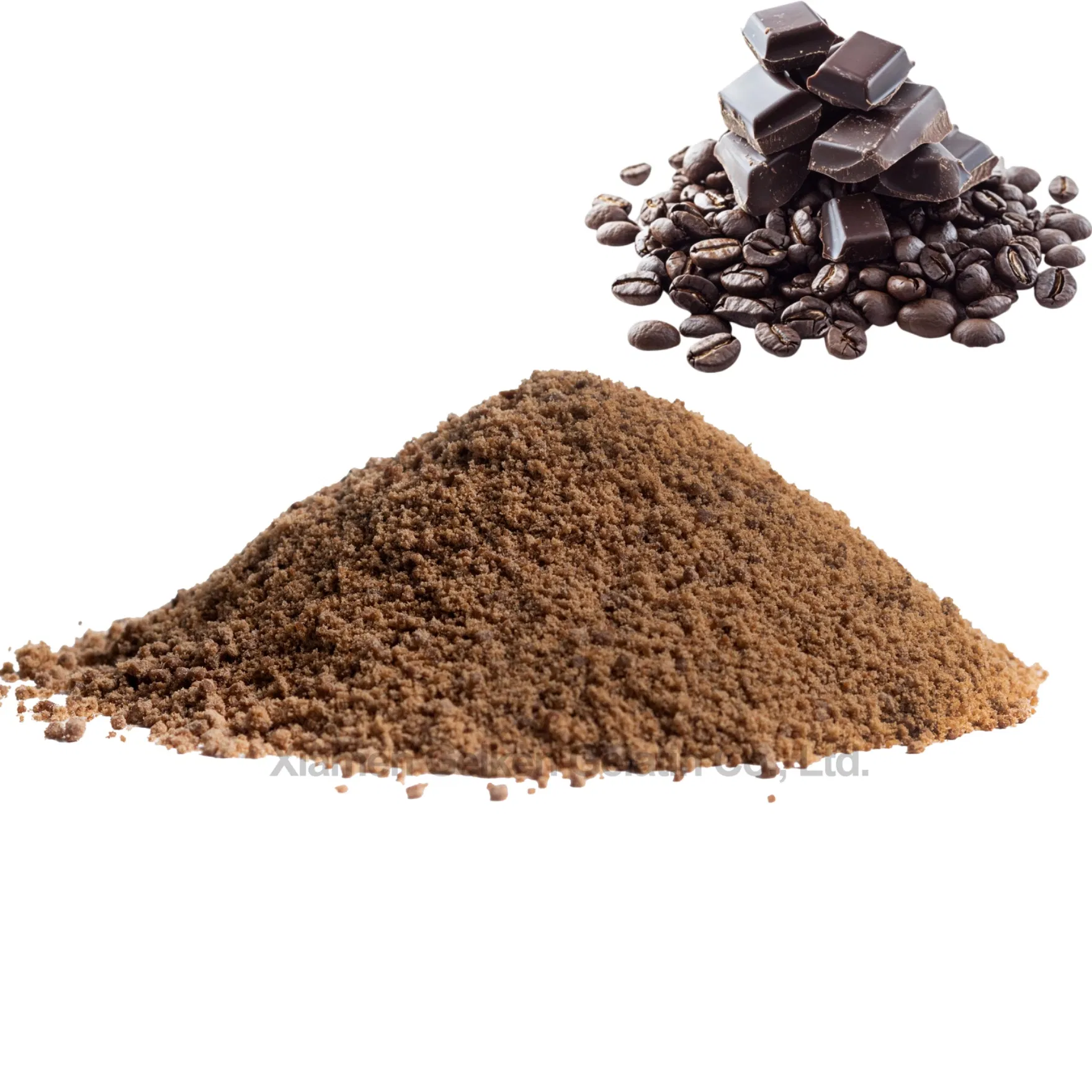
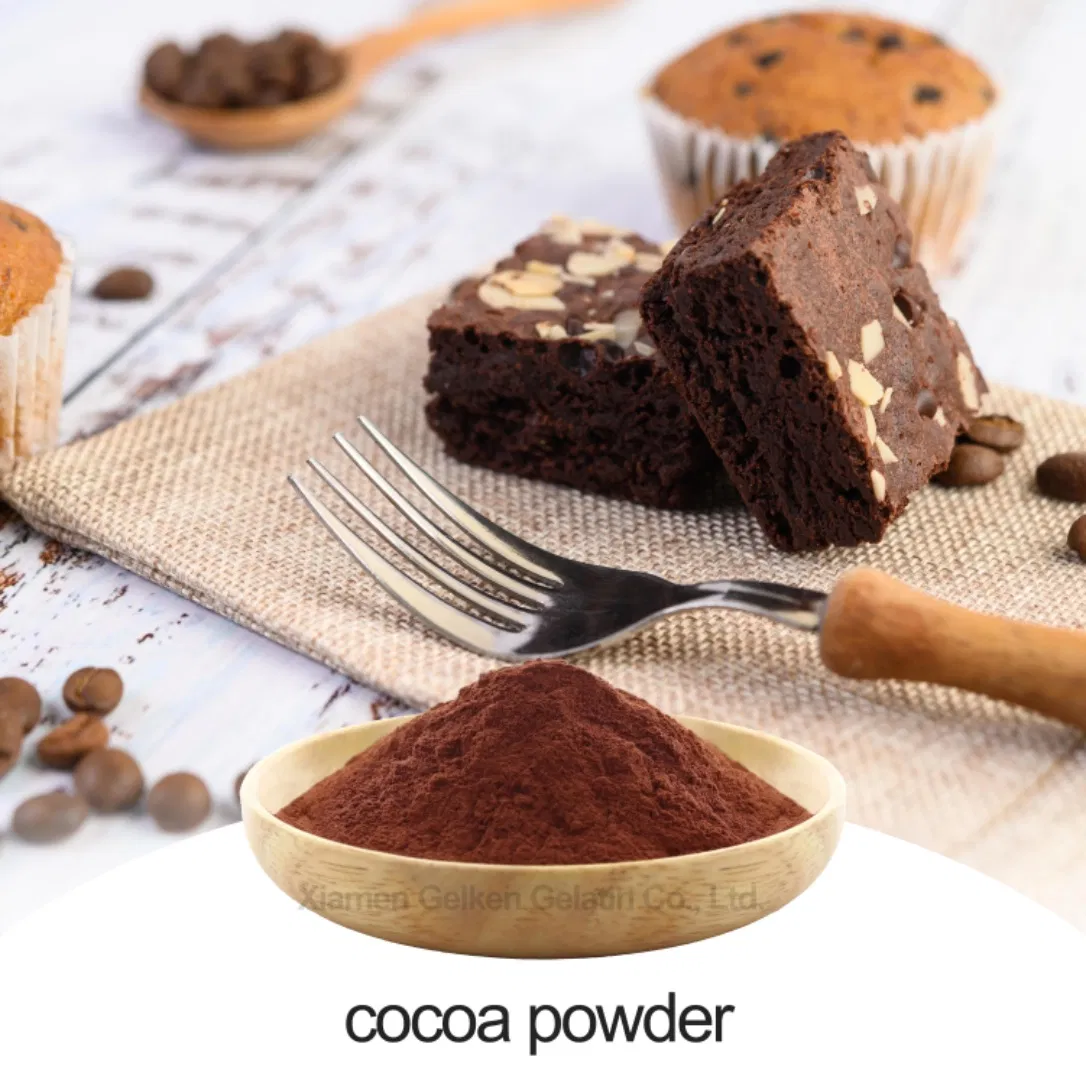
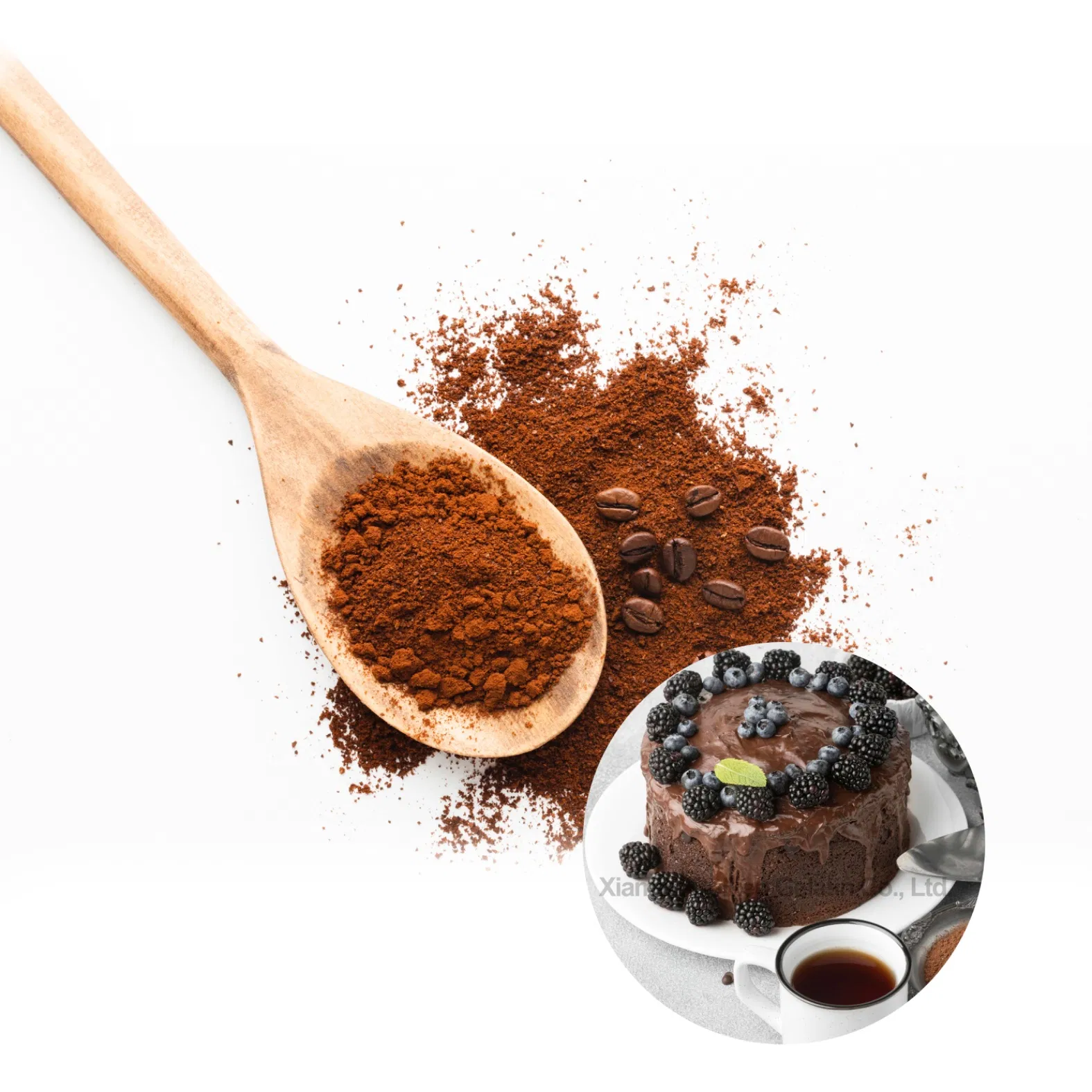
Upon consumption, active components like flavonols are absorbed and act on the cardiovascular system, nervous system, and metabolic functions. Unlike creatine, which is stored directly in muscles for energy, cocoa powder primarily supports health through antioxidant and metabolic regulatory mechanisms. Natural dietary sources include dark chocolate, hot cocoa beverages, and baked desserts, though antioxidant levels vary depending on processing methods (e.g., alkalization reduces active compounds).
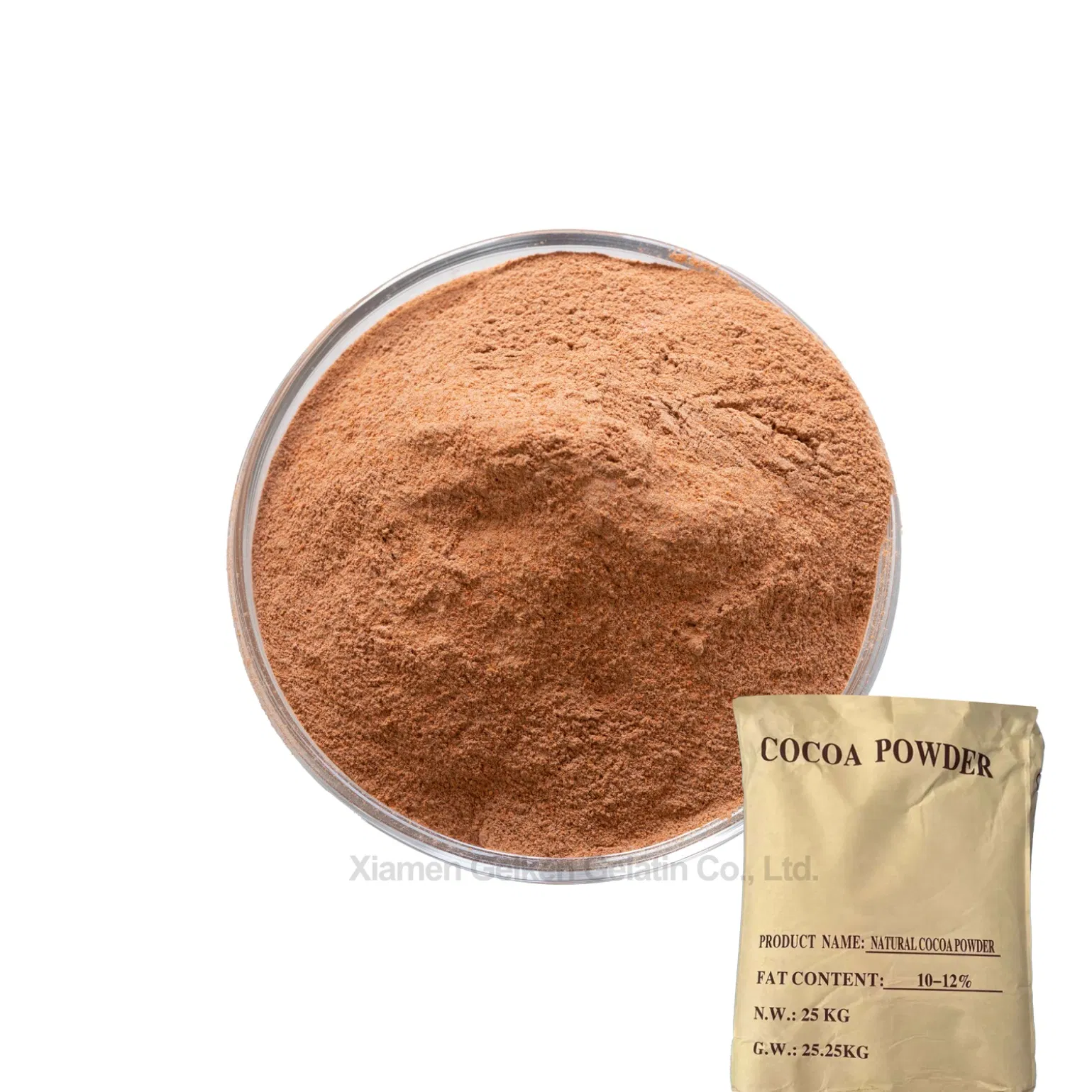
High-purity, non-alkalized cocoa powder or supplements (e.g., cocoa extracts) can provide higher doses of flavanols. Beyond its widespread use in baking, beverages, and desserts, cocoa powder's antioxidant properties are also utilized in skincare products to delay skin aging. Overall, cocoa powder is both a vital ingredient in the food industry and a natural component with dual value in flavor and health. Its antioxidant and cardiovascular-protective effects make it a focus of functional dietary research.