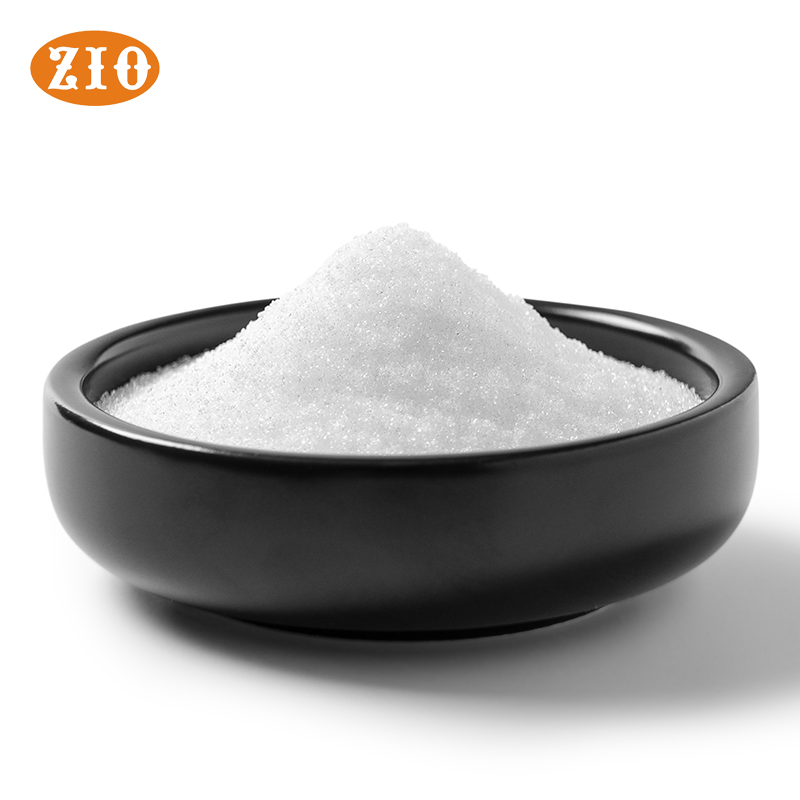
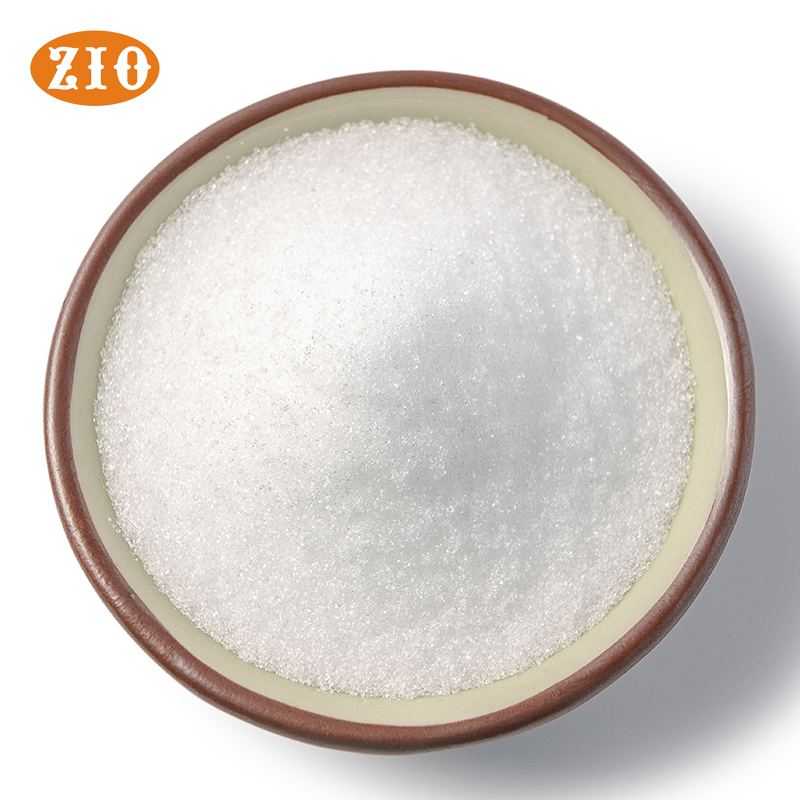
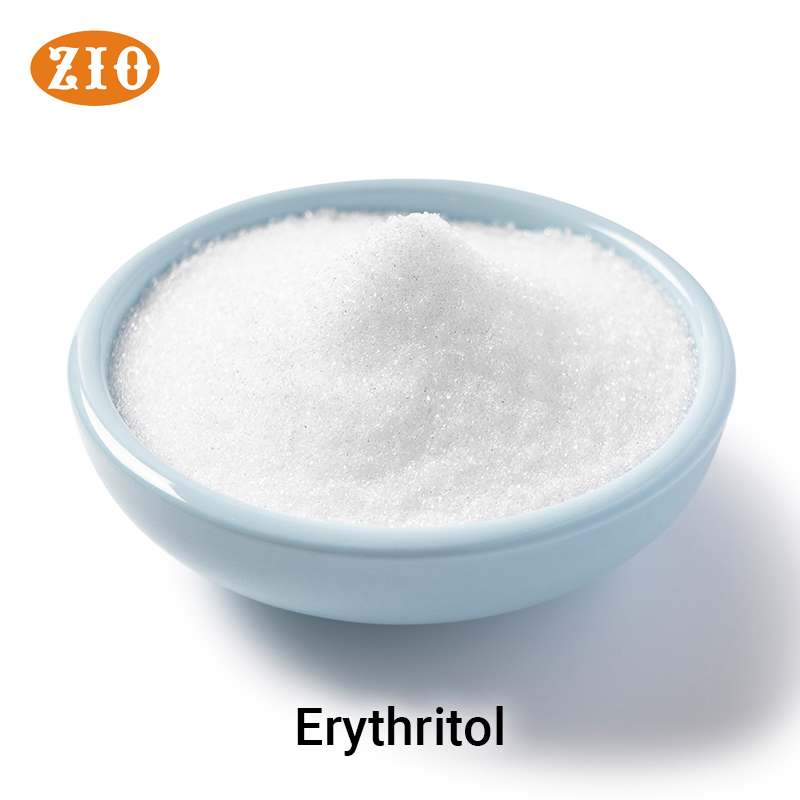
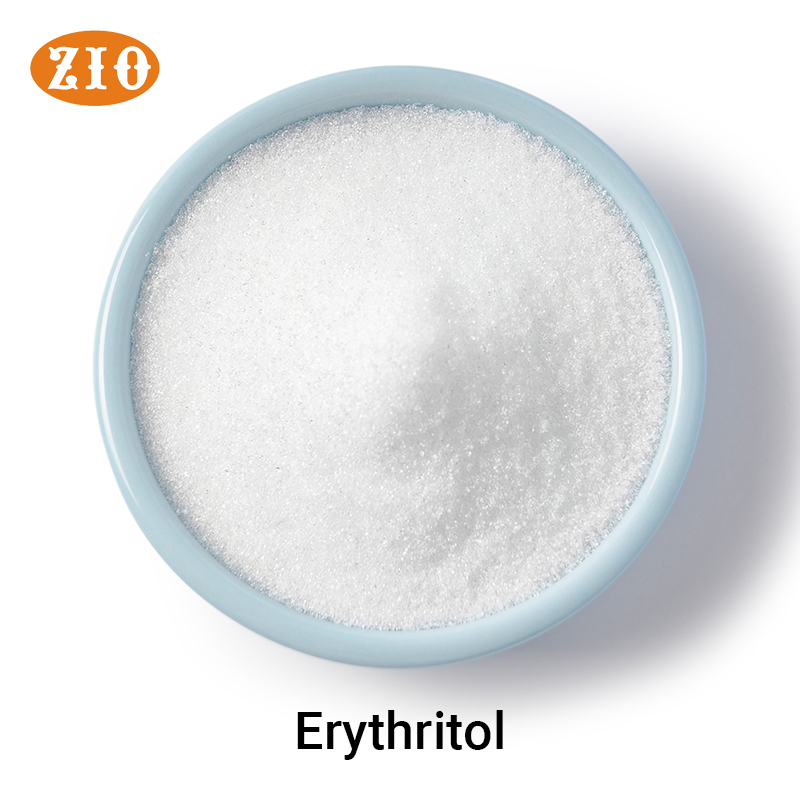
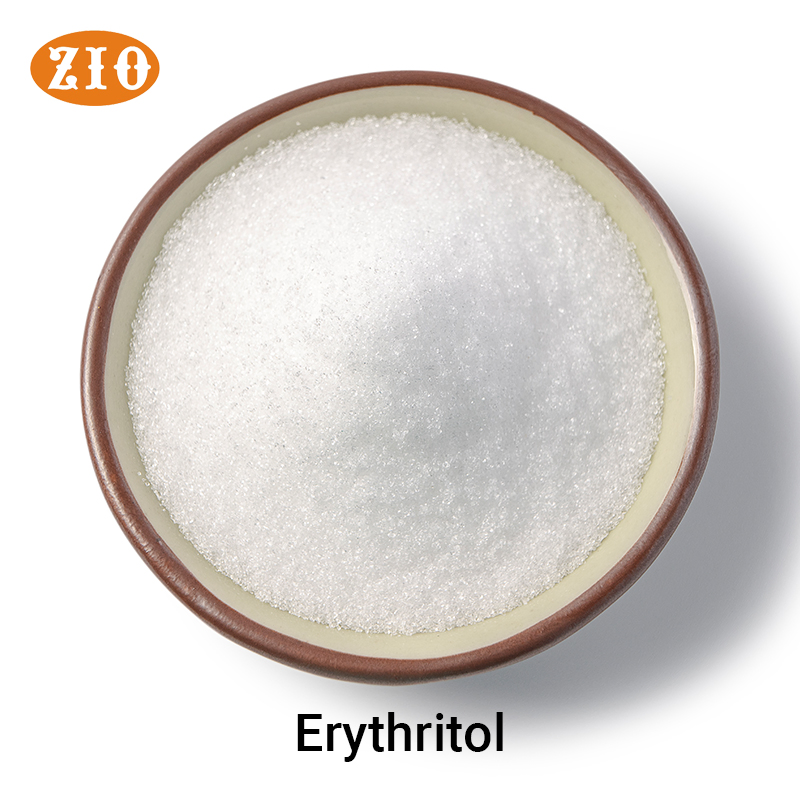
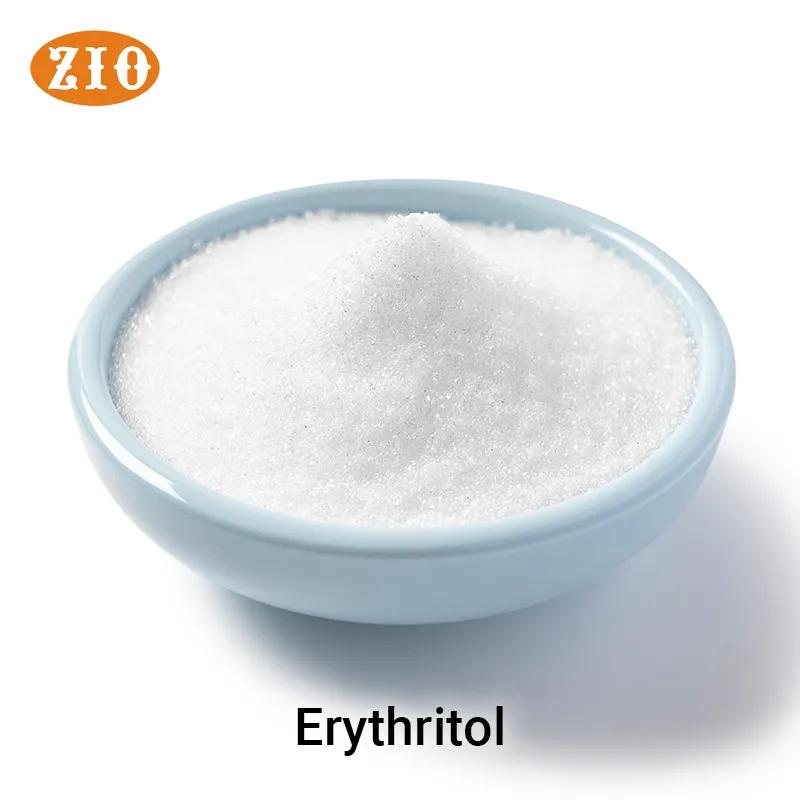
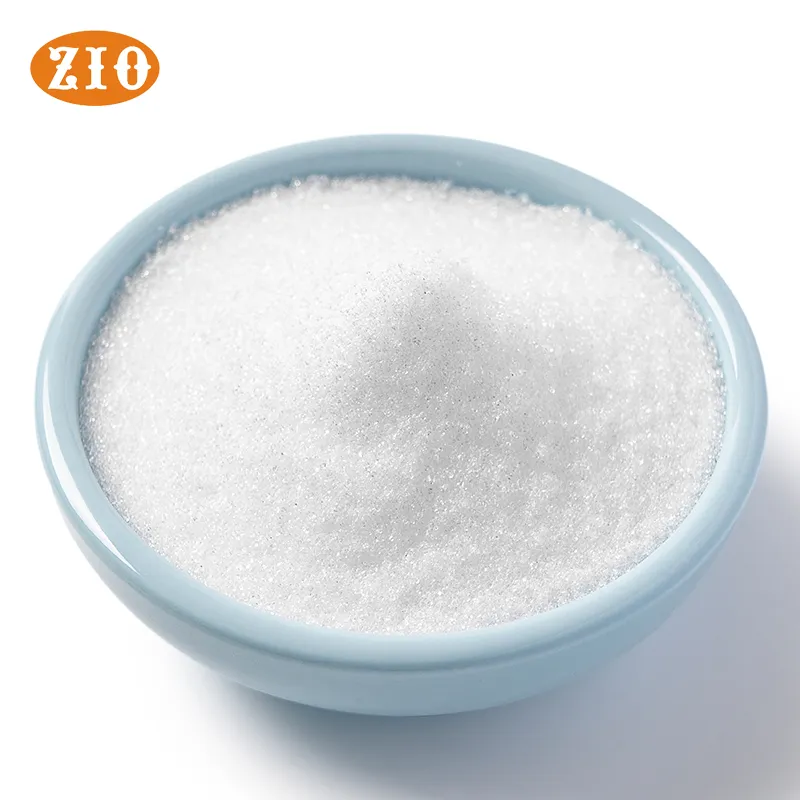
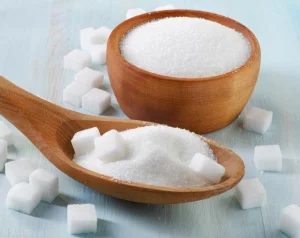
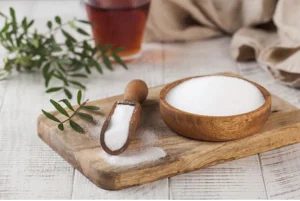
Erythritol, a new type of sugar alcohol food sweetener, is naturally found in mushrooms, melons, grapes, seaweed and fermented foods, and has been used as a component of human diet for tens of thousands of years. Erythritol has good crystallinity, low calorie, harmonious sweetness, no hygroscopicity, no dental caries, and will not cause gastrointestinal discomfort. Erythritol does not participate in sugar metabolism.
| Item |
Standard |
| Product Name | Erythritol |
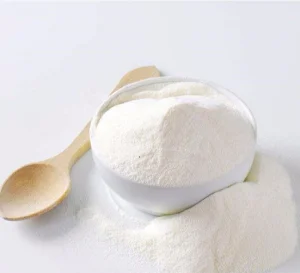
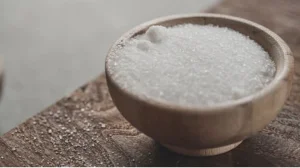
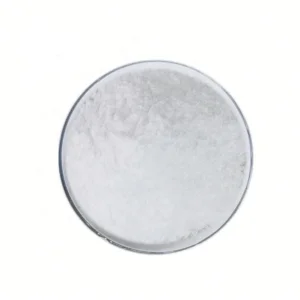
| Appearance | White crystalline powder |
| Grade | Food grade |
| Sample | Available |
| Application | A filling sweetener |
| Storage | Store in a cool, dry place |
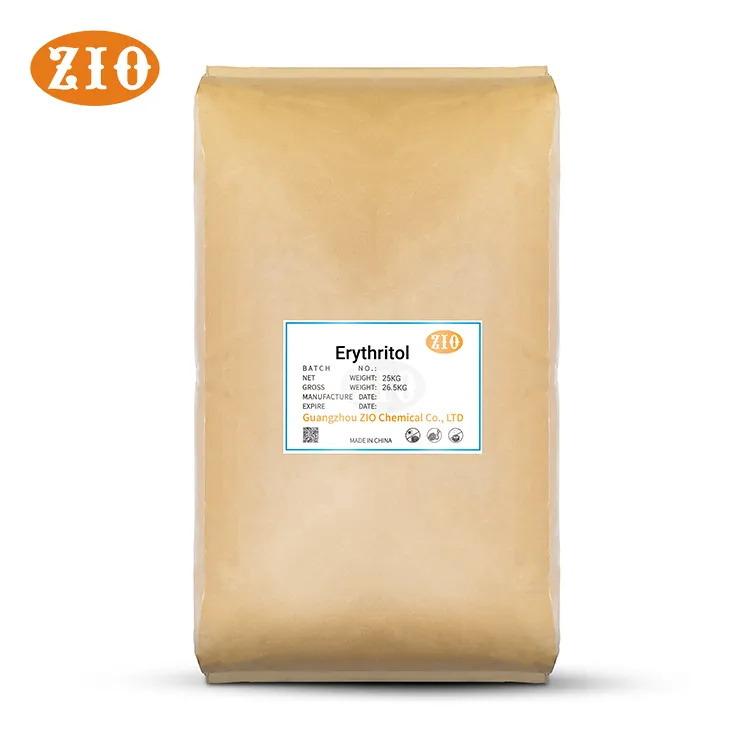
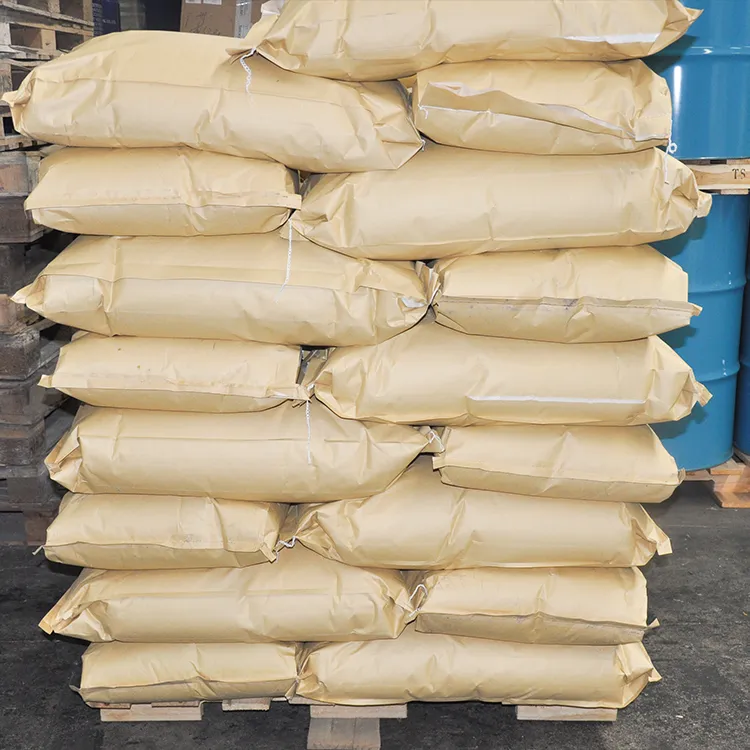
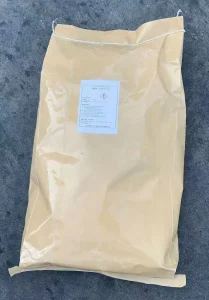
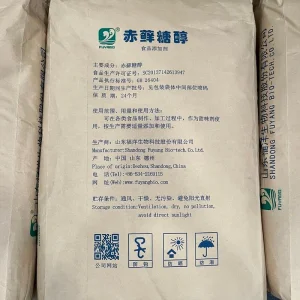
| Package | 25kg/bag |
| MOQ | 25kg |
| CAS | 149-32-6 |
| Another name | MESO-ERYTHRITOL |
Erythritol is a four-carbon sugar alcohol produced by glucose fermentation. It provides a refreshing sweet taste with a mild cooling sensation in the mouth. It is stable at high temperatures and across a wide pH range, making it ideal for various food applications.
1. Beverage Industry
Erythritol is widely used in zero-calorie and low-calorie beverages. It enhances sweetness, mouthfeel, and lubrication while masking bitter aftertastes and odors. Its endothermic properties provide a refreshing sensation in solid drinks.
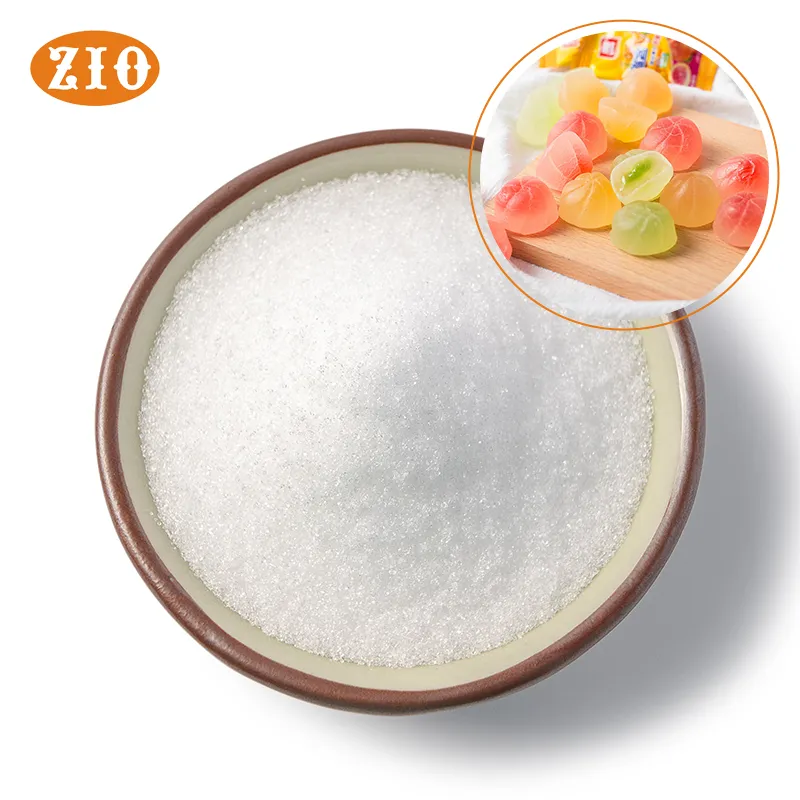
2. Confectionery Industry
It offers a pure sweet taste similar to table sugar without the need for strong artificial sweeteners. Candies made with erythritol have a cooler taste profile. Combining it with other sugar alcohols helps manage caloric intake and maintains product stability.
Frequently Asked Questions
Is Erythritol a natural sweetener?
Yes, erythritol is a natural sugar alcohol found in various fruits and fermented foods. It is produced commercially through the fermentation of glucose.
Does Erythritol affect blood sugar levels?
No, erythritol has a zero glycemic index. It is not metabolized by the body into glucose, making it safe for diabetics and those on keto diets.
Is Erythritol heat-stable for baking?
Yes, erythritol is highly heat-stable and can be used in baking and cooking without losing its sweetness or breaking down.
Does it cause tooth decay?
No, erythritol is non-cariogenic. Oral bacteria cannot ferment it, meaning it does not contribute to the production of acids that cause dental cavities.
Are there any side effects to consuming Erythritol?
Erythritol is generally very well tolerated. Unlike other sugar alcohols, it is mostly absorbed into the bloodstream before reaching the large intestine, minimizing gastrointestinal discomfort.
What is the shelf life and storage requirement?
Erythritol should be stored in a cool, dry place. When stored properly in its original 25kg packaging, it remains stable for an extended period due to its low hygroscopicity.
 SehatiCore Supplement