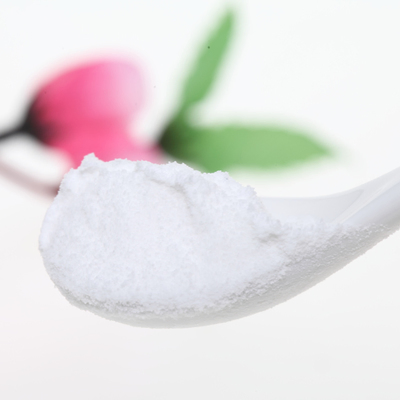
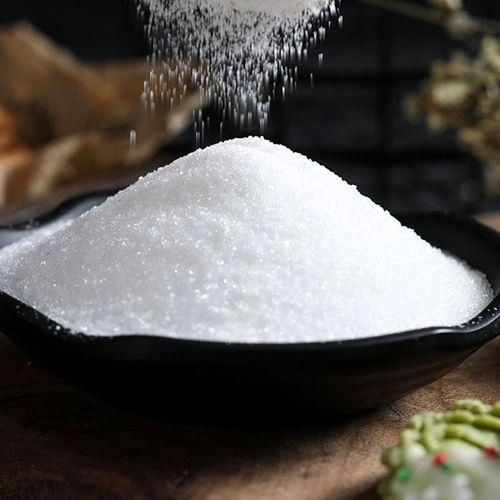
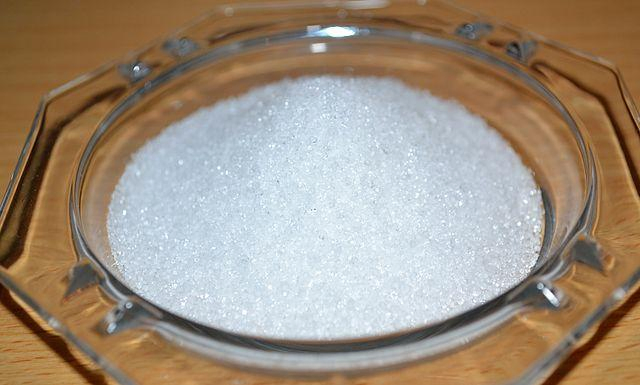
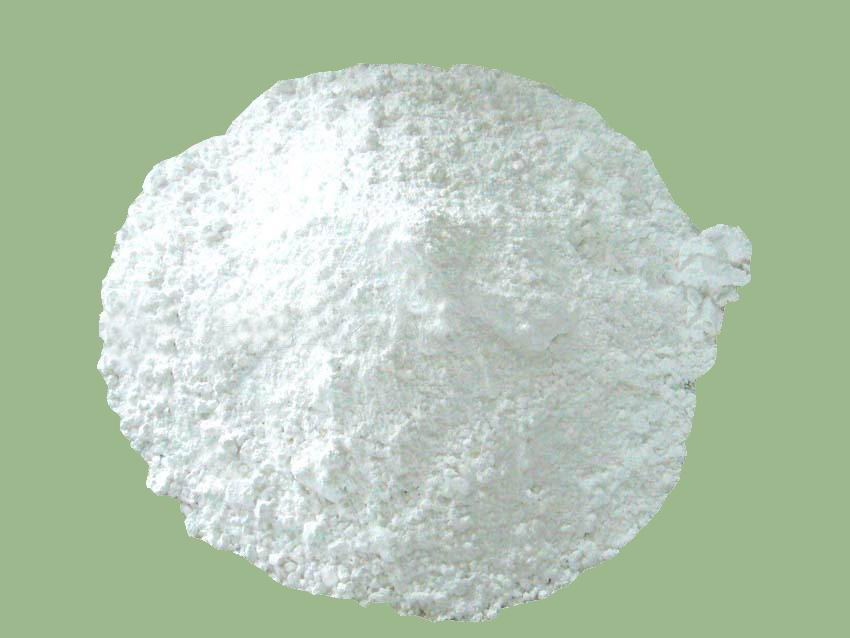
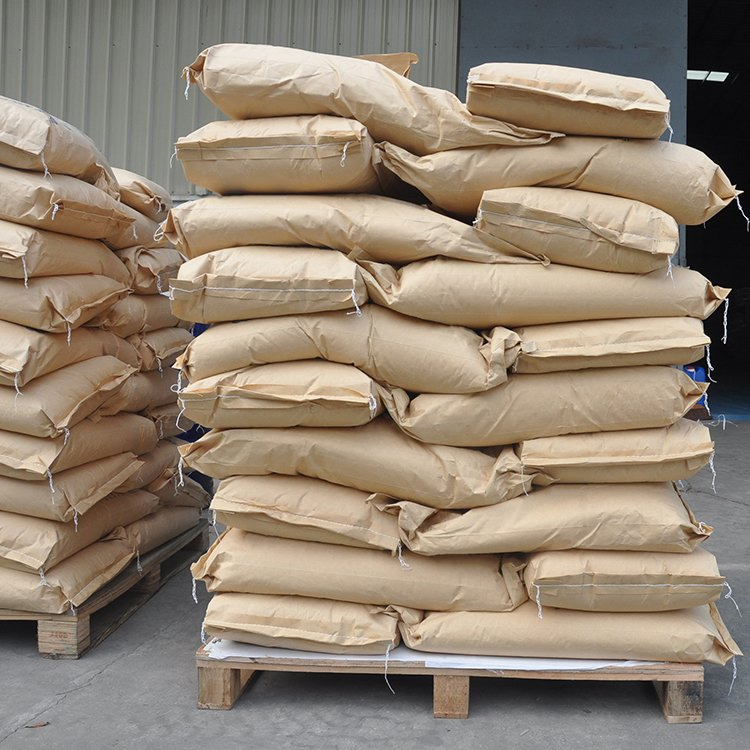
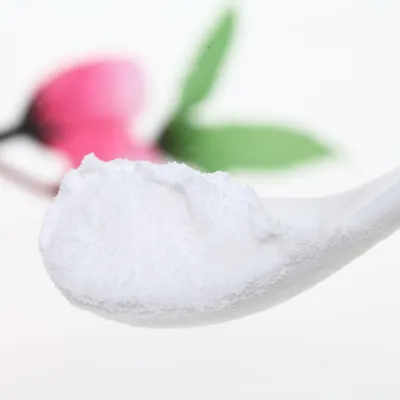
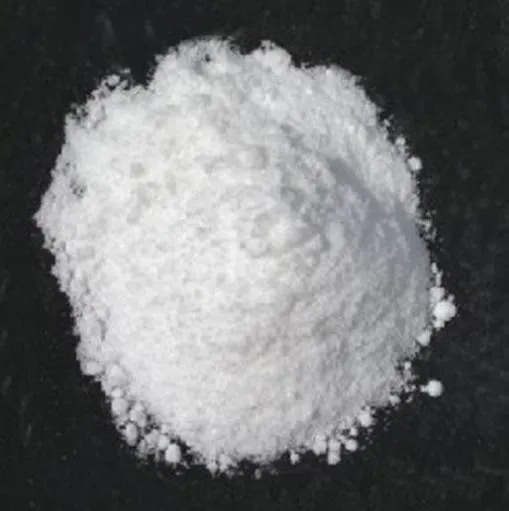
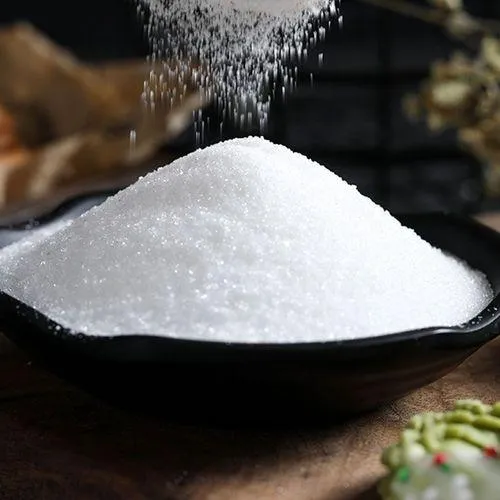
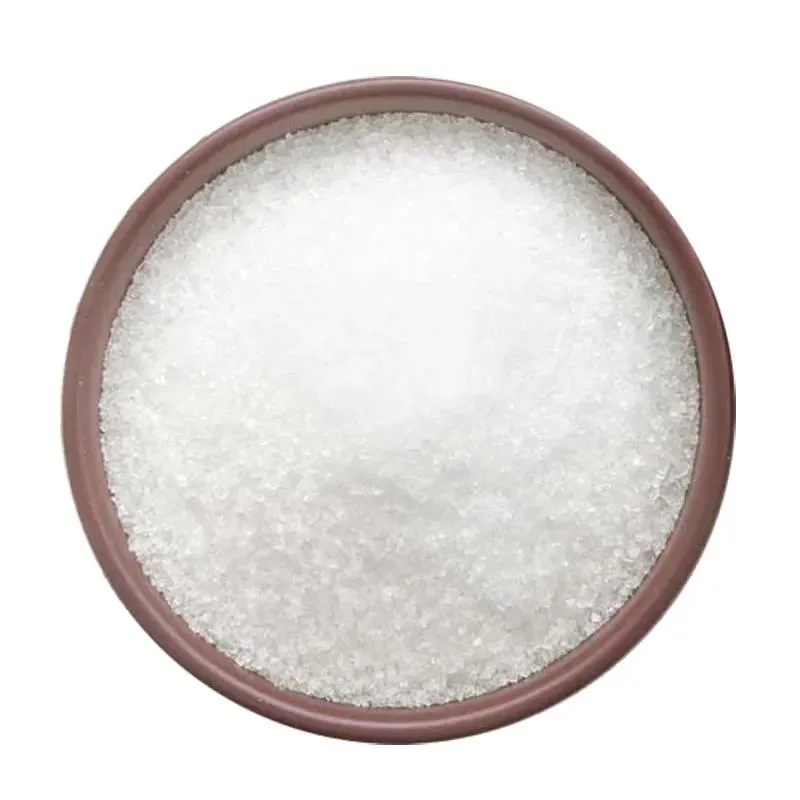
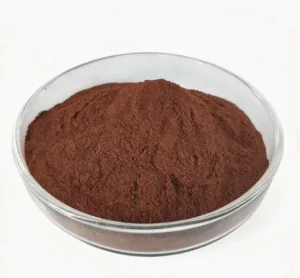
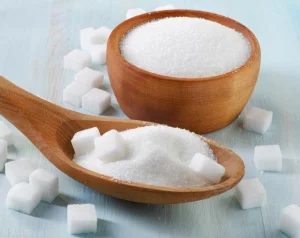
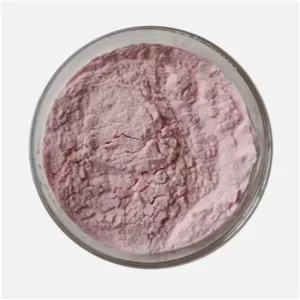
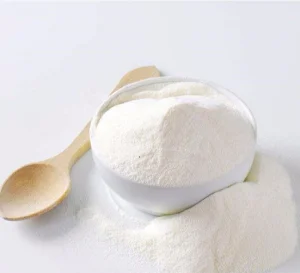
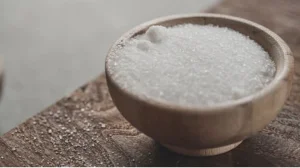
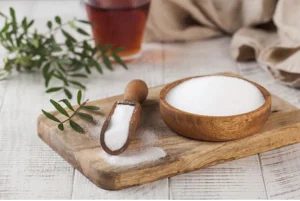
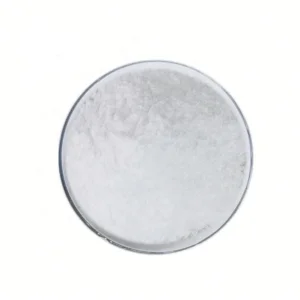
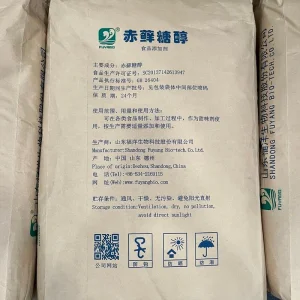
Fructose is the most common ketohexose. Its pure form appears as colorless crystals, and its aqueous solution is a viscous liquid. Fructose is found in honey and fruits, and combines with glucose to form sucrose for daily consumption. Fructose contains 6 carbon atoms, is also a monosaccharide, and is an isomer of glucose. It exists in a large amount in free state in fruit juices and honey. Naturally occurring fructose exists in the form of free D-fructose. Under natural conditions, fructose exists in the form of an oily viscous liquid rather than in the form of crystals.
P
Product Parameters & Applications
Fructose products are widely used in many areas of food processing:
Frozen food: Fructose's sweetness increases at low temperatures, and its freezing point is low, aiding in controlling ice crystal formation. Ideal for ice cream and popsicles.
Sports and energy drinks: Fast absorption and metabolism allow for quick energy replenishment. Fructo-oligosaccharides also provide dietary fiber with lower calories.
Powder/Solid foods: High solubility makes it perfect for powdered beverages, corn flakes, and oatmeal.
Baked Goods: Yeast ferments fructose quickly, shortening fermentation time and resulting in softer texture and longer shelf life.
Candied food: Used in jams, jelly, and canned fruits due to high osmotic pressure, maintaining fruit flavor.
Nutritional wine: Widely used in fruit and sparkling wines for its solubility and flavor preservation.
| Item Name | Fructose |
| Appearance | White crystalline powder |
| Odor | Taste sweet and odorless |
| Clarity | Clear |
| Fructose content (%) | 99.7 |
| Sulphated ash (%) | 0.01 |
| Chloride (%) | <0.01 |
| Acidity (%) | 0.28 |
| Loss on drying (%) | 0.11 |
| Total plate count (cfu/g) | <10 |
 SehatiCore Supplement