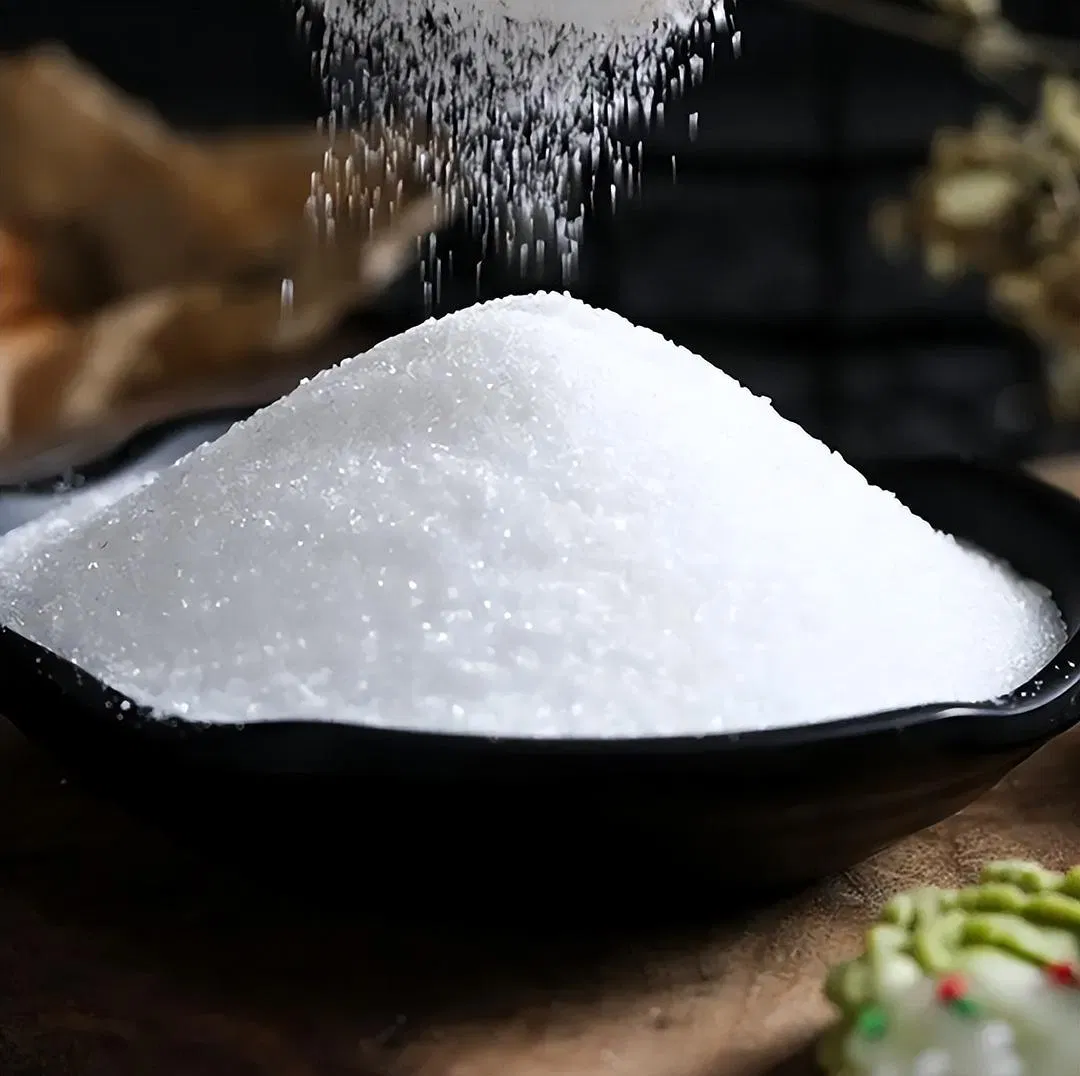
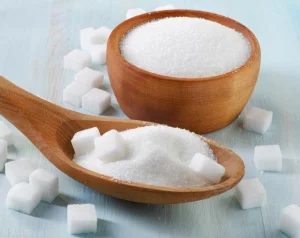
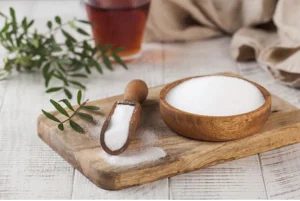
Erythritol is a natural, zero-calorie, filler sweetener that can replace sucrose. It has a clear sweetness similar to sucrose and is widely found in natural plants and animals, such as seaweed, mushrooms, melons, and grapes.
Erythritol is currently the only functional sugar alcohol produced by microbial fermentation in the world. Based on the good health effects of erythritol and its excellent processing characteristics such as high thermal stability, low hygroscopicity, and low freezing point, its application fields are very wide, such as food, medicine, chemical industry, and many other aspects.
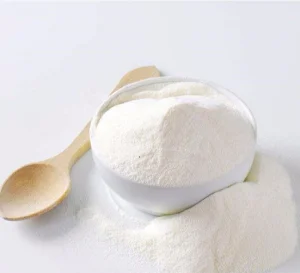
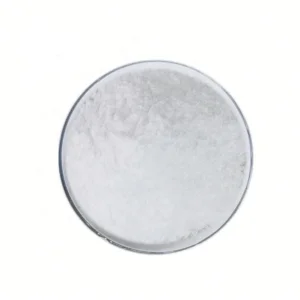
It has the appearance of white powdery crystals, and its aqueous solution is a colorless, non-viscous liquid. It is slightly sweet, with a relative sweetness of 60%-70% of sucrose, and has a cool feeling. It has a low calorific value, only 1/10 of the calorific value of sucrose, and is easy to crystallize.
1. Chemical Properties
White crystals, slightly sweet, relative sweetness 0.65, refreshing, low calorific value, about one tenth of the calorific value of sucrose. Melting point 126ºC, boiling point 329~331ºC. Soluble in water (37%, 25ºC). Due to low solubility, it is easy to crystallize.
2. Production Method
Corn starch is fermented by safe and appropriate edible grade hyperosmophilic yeast, such as Moniliella pllinis, Candida lipolytica or Tricho sporonoides megachilensis at high concentration (>450g/L), the fermented mash is sterilized by heating and filtered, then purified by ion exchange resin, activated carbon and ultrafiltration, crystallized, washed and dried. The general yield is about 50%.
3. Uses
Low-calorie sweetener; diluent for high-intensity sweeteners. Can be used in chocolate, baked goods, candy, table sugar, soft drinks, etc., with a maximum usage of 3%. Moisturizer; flavor enhancer; texture improver; molding aid.
What is Erythritol and where does it come from?
Erythritol is a natural, zero-calorie filler sweetener found in plants like seaweed, mushrooms, and fruits like grapes. It is commercially produced through the fermentation of corn starch.
How does the sweetness of Erythritol compare to sugar?
Erythritol has a clear sweetness similar to sucrose, with a relative sweetness intensity of about 60%-70% of table sugar. It also provides a unique cooling sensation in the mouth.
What are the primary applications of Erythritol in the food industry?
It is widely used as a low-calorie sweetener in chocolate, baked goods, candies, table sugar, and soft drinks. It also functions as a moisturizer, flavor enhancer, and texture improver.
Is Erythritol safe for heat-processed foods?
Yes, Erythritol has high thermal stability, making it excellent for baking and other high-temperature processing applications.
What certifications does your Erythritol hold?
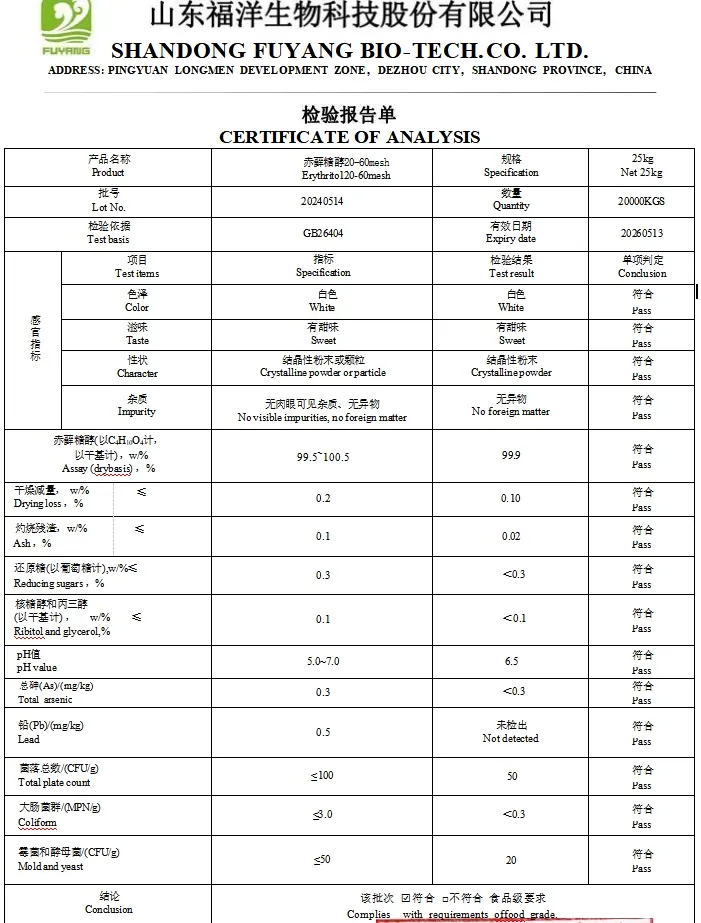
Our Erythritol is high-quality and comes with multiple certifications, including Halal, Mui, Kosher, and ISO22000.
What is the production capacity and packaging?
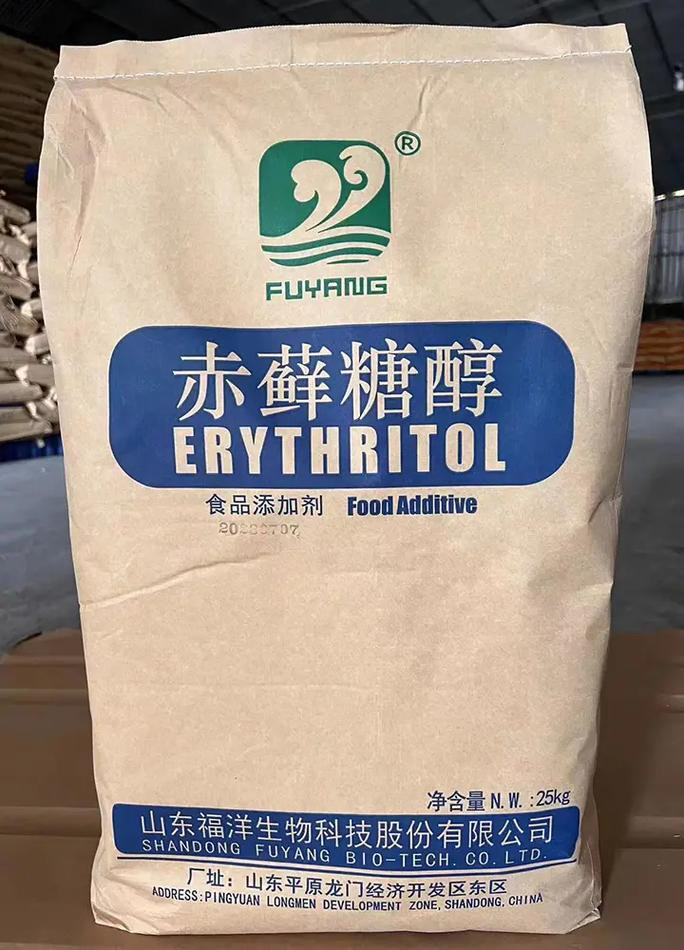
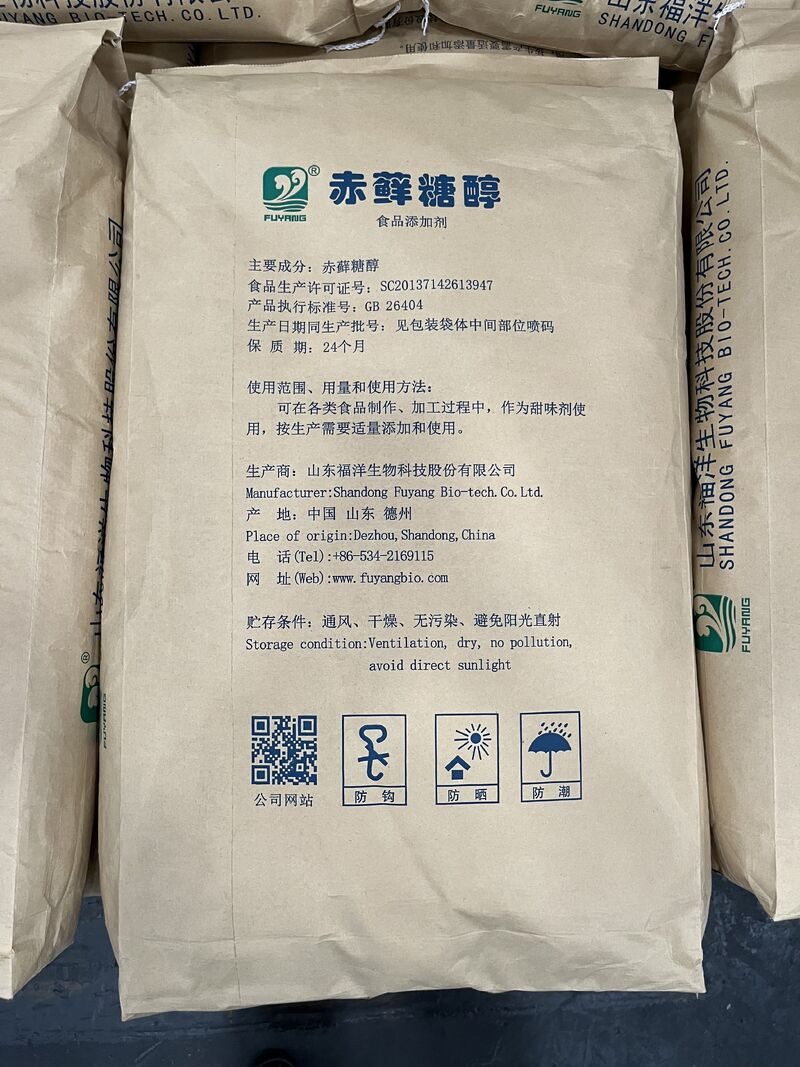
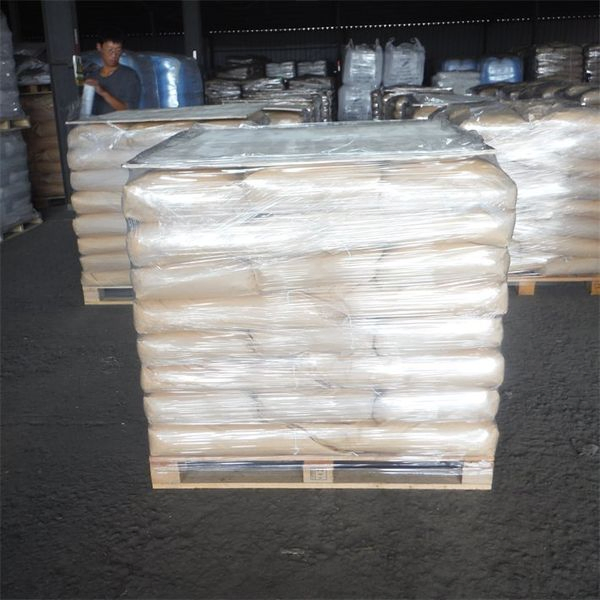
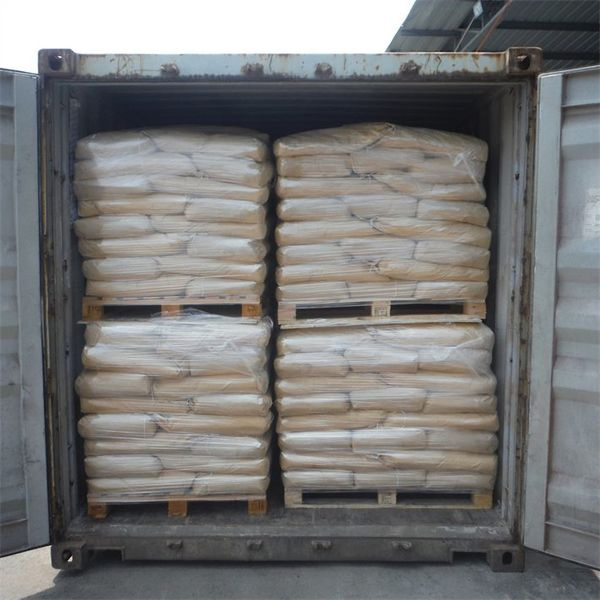
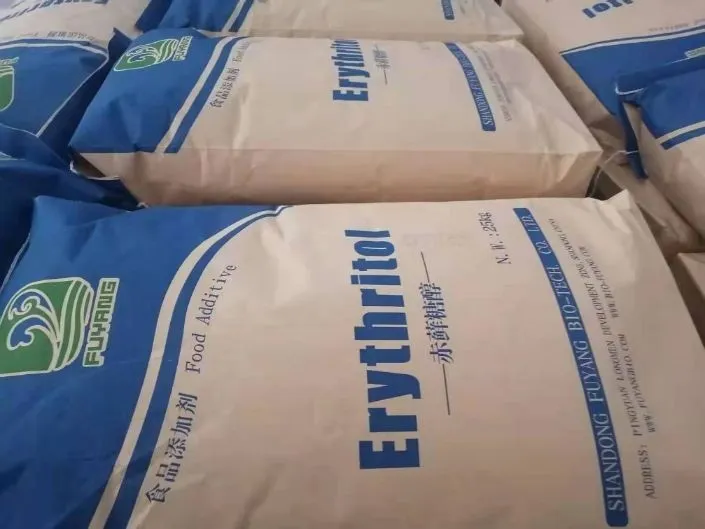
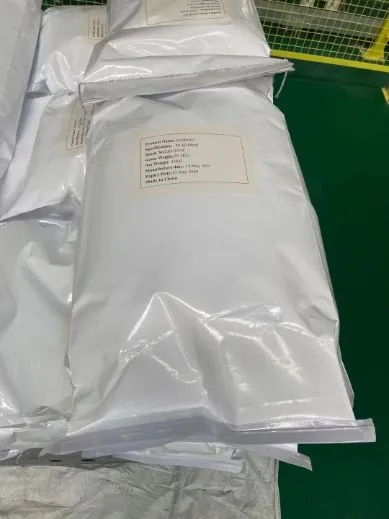
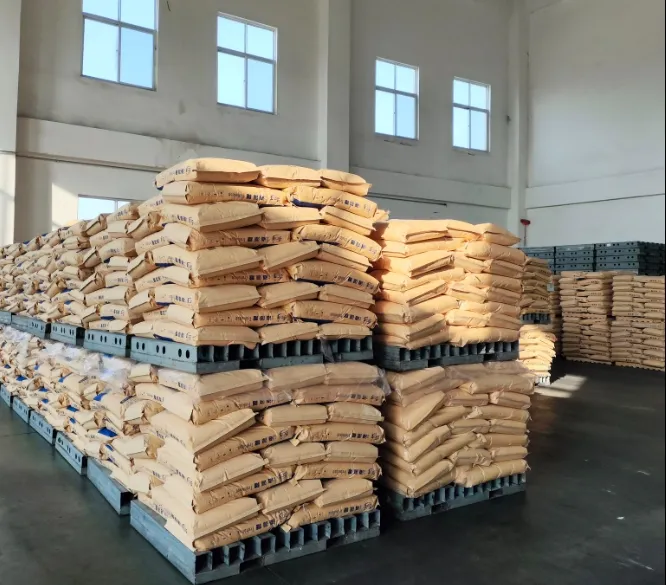
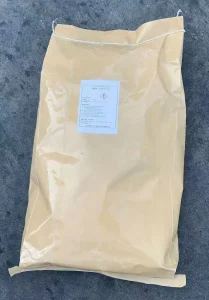
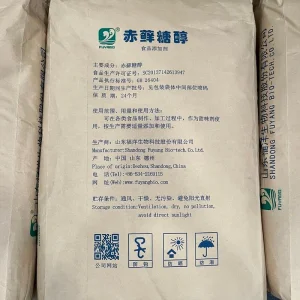
We have a production capacity of 35,000 metric tons per year. The standard packaging is 25KG per Kraft paper bag, typically delivered on pallets.
 SehatiCore Supplement