Explore our specialized catalog of bio-actives, nutritional ingredients, and natural functional compounds optimized for clean-label formulation and high physiological availability.
Analysing the structural shift toward bio-catalysis, green synthesis, and the growing demand for botanical enzymatic solutions in the global economy.
Consumers actively demand the exclusion of synthetic chemical processing aids. Plant-derived enzymes provide natural catalytic alternatives for protein hydrolysis, cellular degradation, and bio-conversion, satisfying vegan, kosher, and halal certifications.
The convergence of nutrition and cosmetics (nutricosmetics) has elevated the role of enzymes. Proteolytic enzymes facilitate advanced peptide synthesis, enabling target-specific skin whitening, free radical scavenging, and deep collagen matrix support.
By operating under mild pH and temperature conditions, botanical enzymes drastically lower energy consumption during industrial synthesis. This direct carbon footprint reduction makes them pivotal in sustainable manufacturing models.
Why global enterprises rely on Chinese biotechnology clusters for stable, scalable, and cost-efficient plant enzyme procurement.
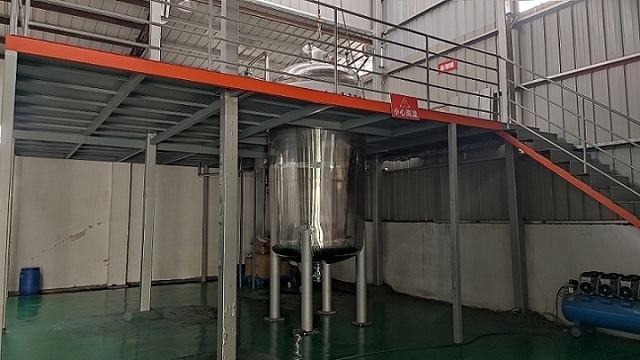
The production of high-activity plant enzymes requires immediate processing of biological raw materials to preserve delicate tertiary protein structures. Chinese manufacturing hubs, specifically in bio-tech corridors like Hangzhou, integrate agricultural extraction facilities directly with advanced ultrafiltration and spray-drying systems. This physical integration minimizes degradation, ensures maximum enzyme activity recovery (U/g), and drastically reduces operational costs compared to fragmented global supply chains.
Strict tracking of biological crops to optimize the internal enzymatic yield before the harvest cycles.
Continuous temperature-monitored extraction lines prevent denaturation of heat-sensitive active sites.
Multi-stage tangential flow filtration isolates specific enzyme fractions while removing impurities.
Vacuum freeze-drying preserves enzymatic kinetic configurations for long-term stability and storage.
Enzymatic technologies are revolutionizing multiple commercial sectors. Below is a detailed breakdown of their industrial implementations.
Used as biochemical exfoliants in serums and creams. Unlike harsh alpha-hydroxy acids (AHAs), plant proteases gently cleave desmosomes in the stratum corneum, promoting rapid cell turnover without triggering inflammatory cascades. Perfect for sensitive skin formulations.
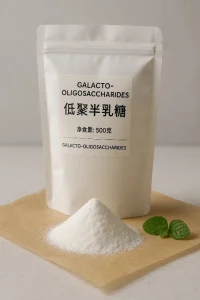
Enzymes are utilized to convert structural polysaccharides into digestible prebiotic fibers, such as Galacto-Oligosaccharides (GOS). This synergy is fundamental in formulating baby nutrition products and premium health supplements.
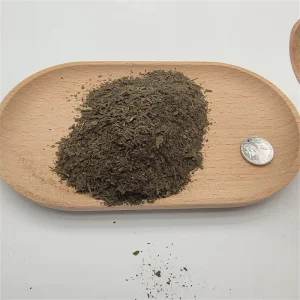
Integrated directly into plant residuous materials, such as rice husk and ginkgo biloba leaf residues, specialized enzymes accelerate the bio-assimilation of bio-plastics, transforming packaging waste into organic compost within weeks.
A trusted, science-driven manufacturer empowering next-generation skincare, dietary, and nutricosmetic formulations worldwide.
Hangzhou SehatiCore Supplement Co., Ltd. is a professional manufacturer and global supplier specializing in functional cosmetic raw materials and natural skincare active ingredients. The company is dedicated to the research, development, production, and distribution of high-quality raw materials used in modern cosmetic formulations, nutricosmetics, and personal care products.
With a strong focus on innovation and green chemistry, SehatiCore provides a wide range of solutions including plant-based extracts, botanical actives, moisturizing and anti-aging compounds, whitening and brightening ingredients, and skin-repair functional materials. These ingredients are widely applied in serums, creams, lotions, masks, and advanced skincare formulations designed for sensitive, aging, and problem-prone skin.
Hangzhou SehatiCore Supplement Co., Ltd. emphasizes safety, efficacy, and sustainability. All raw materials are developed under strict quality control systems and comply with international standards such as ISO, GMP, and relevant cosmetic regulatory requirements. The company also supports OEM and ODM customization to meet the specific formulation needs of global cosmetic brands and contract manufacturers.
By integrating biotechnology with natural ingredient sourcing, SehatiCore continuously develops innovative active compounds that enhance skin health, improve product performance, and support clean beauty trends.
With a growing international presence across Asia, Europe, and North America, the company is committed to becoming a trusted global partner in the functional cosmetic raw materials industry, empowering brands with safe, effective, and science-driven ingredient solutions for next-generation skincare development.
Navigating compliance, standardization, and quality metrics when sourcing raw materials from China.
Sourcing managers must request quantitative assay validation (such as USP units, FCC units, or International Units) rather than generic concentration ratios. This ensures batch-to-batch consistency in enzymatic activity.
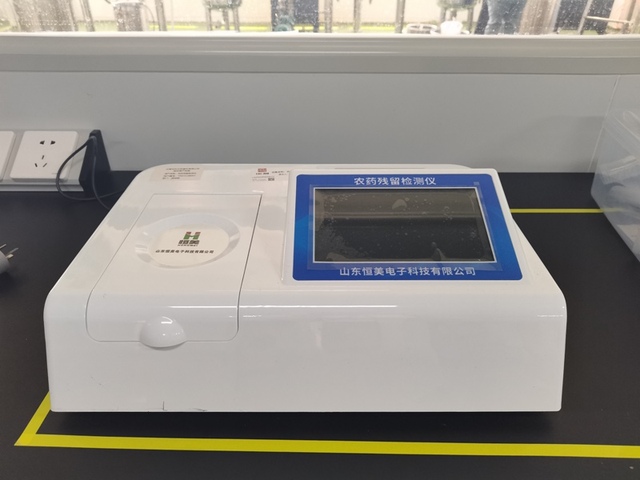
Because plant materials are bio-accumulators, rigorous testing for heavy metals (Arsenic, Lead, Cadmium) and multi-class pesticide residues is essential to clear FDA, EFSA, and EMA cosmetic and food-grade imports.
The primary challenge of utilizing enzymes in skincare formulations is stability. Look for suppliers offering stabilized liquid preparations or micro-encapsulated powders that resist thermal denaturation in emulsification steps.
Providing clear, expert answers to key operational, chemical, and logistics questions concerning plant enzyme and active ingredient supply chains.
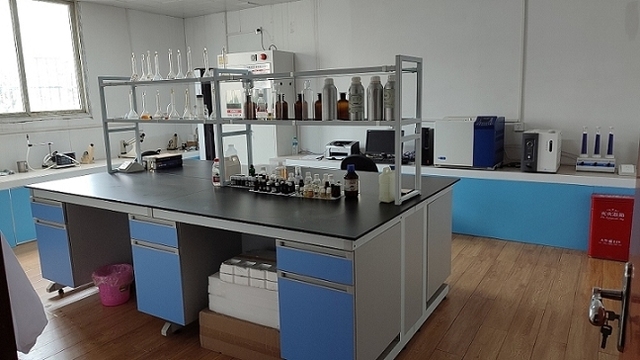
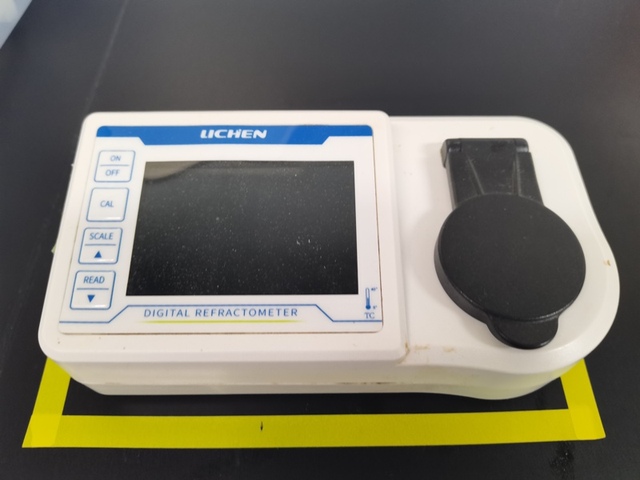
Every batch of our plant-derived enzymes is validated using standardized HPLC or spectrophotometric assays in our quality control lab. For example, Papain is assessed in TU (Tyrosine Units) or MCU (Milk Clotting Units), and Bromelain is measured in GDU (Gelatin Digesting Units) or MCU. A Certificate of Analysis (CoA) documenting the precise U/g is provided with every shipment.
Hangzhou SehatiCore Supplement Co., Ltd. complies fully with ISO 9001, ISO 22000, and GMP standards. Additionally, our key nutritional, prebiotic (GOS), and cosmetic ingredients offer Halal, Kosher, and FDA-compliant documentation to facilitate seamless entry into North American, European, and Middle Eastern markets.
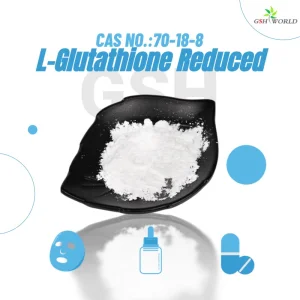
We utilize structural stabilization technologies such as liposomal encapsulation and peptide-complexation. For oxidative raw materials like L-Glutathione Reduced or sensitive molecules like GHK-Cu, this prevents premature degradation, moisture absorption, or chemical interactions with base cosmetic formulations.
For standard bulk raw materials in stock, shipping prep is 3 to 5 business days. For customized enzyme activity ratios, custom powder blends, or specialized packaging (OEM/ODM), lab sampling takes 7-10 days, followed by commercial scale production in 3 to 4 weeks depending on the raw material's specific biological sourcing requirements.
We adhere closely to green chemistry principles. This means prioritizing water-based extractions over volatile organic solvents, utilizing enzymatic processing to reduce overall carbon emissions, and sourcing crop residues (such as rice husk and ginkgo biloba leaf residues) to prevent waste and support circular economies.
Complementary high-purity active cosmetic compounds, mineral blends, and dietary supplement formulations.
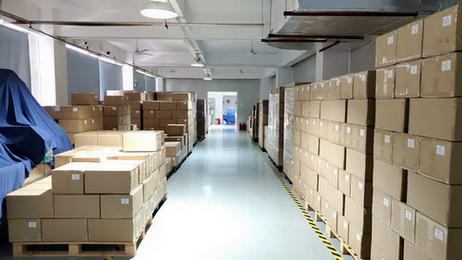
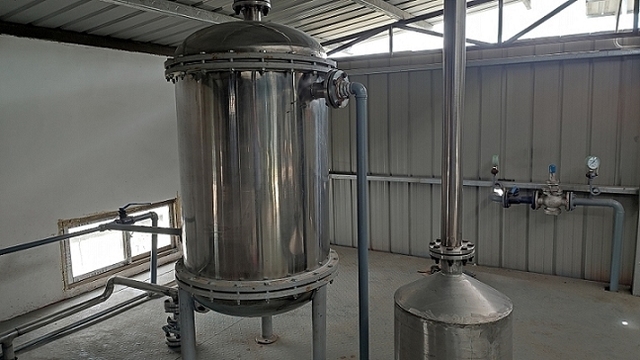
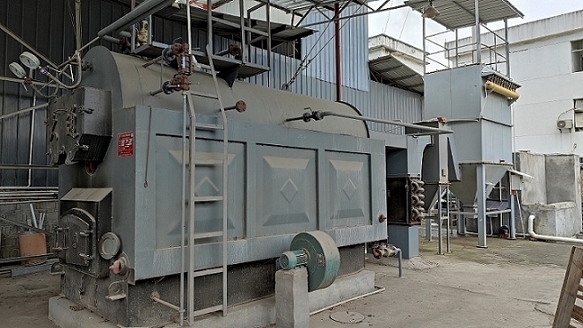
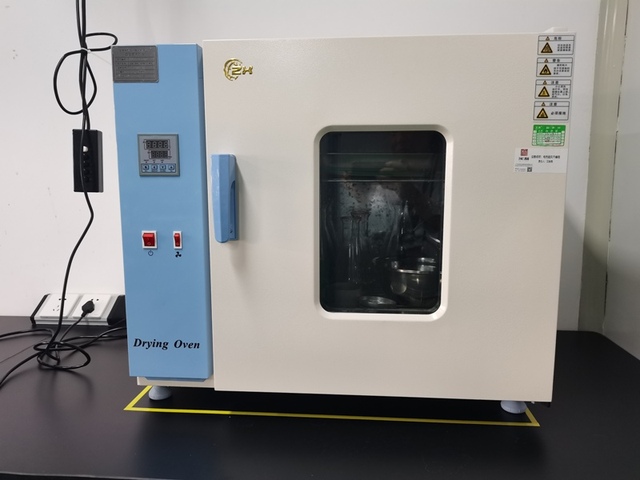
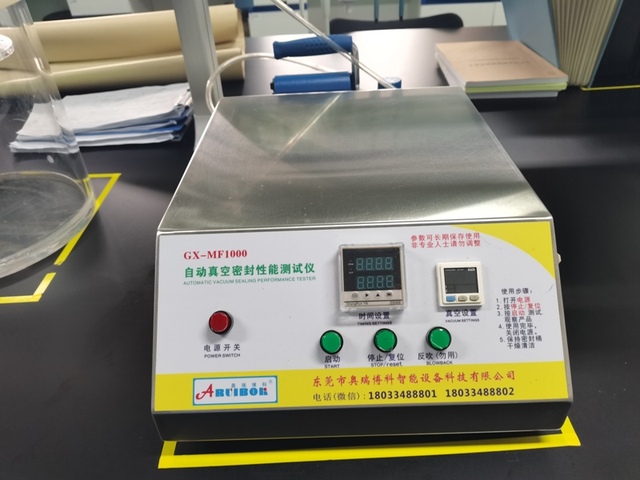
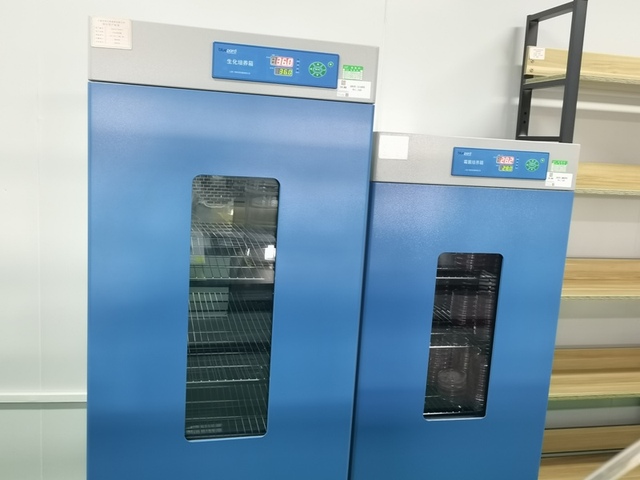
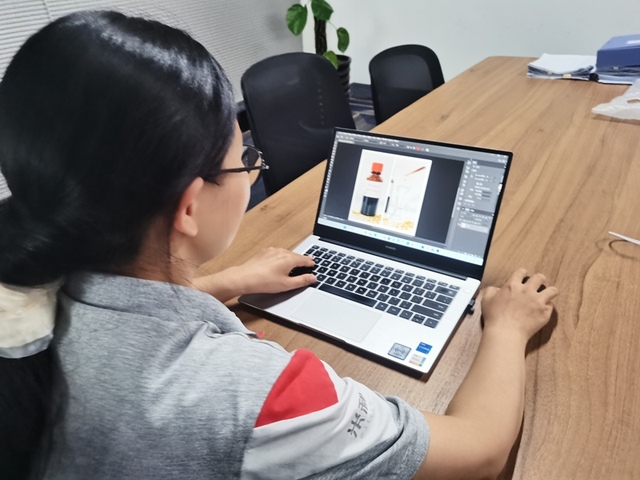
Visualizing our end-to-end extraction lines, standard cleanrooms, and testing facilities.
 SehatiCore Supplement