The cosmetic and dermo-pharmaceutical industries are undergoing a massive transition driven by consumer awareness and rigorous environmental legislation. Traditionally, formulations relied on mineral oils, silicones (such as cyclopentasiloxane and dimethicone), and synthetic esters to provide skin slip, barrier function, and moisturizing benefits. However, issues regarding bioaccumulation, petrochemical dependence, and carbon emissions have forced a paradigm shift. Today, global brands seek natural emollients that mimic the sensory profile of silicones while offering complete biodegradability and compliance with global standards like COSMOS, ECOCERT, and NATRUE.
This transition is not merely cosmetic; it is rooted in deep lipid biochemistry. Modern cosmetic chemists look for complex biomimetic matrices, such as squalane derived from plant sugars, jojoba-based wax esters, and customized triglyceride configurations. These plant-derived lipids integrate seamlessly with the human sebum layer, repairing the stratum corneum barrier without causing comedogenicity. Consequently, the role of natural emollient exporters and factories has expanded from basic commodity suppliers to specialized bio-tech co-developers of highly stable, skin-compatible raw materials.
Matching the volatile slip, spreading coefficient, and skin feel of volatile silicones using natural esters and light plant-derived hydrocarbons.
Meeting ECOCERT, COSMOS, and RSPO certifications to fulfill international environmental and sustainable supply chain criteria.
Optimizing natural lipids with clean antioxidants to resist rancidity and discoloration, ensuring long shelf-life in advanced emulsions.
Enterprise-level cosmetics brands in Europe, North America, and parts of Asia-Pacific have implemented stringent vendor verification programs. Procurement directors no longer look just at price per kilogram. Instead, the focus has shifted to Life Cycle Assessments (LCA), supply chain traceabilities, and chemical purity. When sourcing from natural emollient factories, major buyers require detailed data packages including:
In response, leading factories have upgraded their testing departments and regulatory compliance teams. The integration of biotechnology with natural ingredient extraction allows manufacturers to produce standardized botanical active components that maintain functional reliability across different crop harvests.
China's chemical and plant extraction industries have evolved through the implementation of Industry 4.0 technologies. This digital transformation addresses the traditional volatility in cosmetic raw material pricing and raw material availability. Through smart manufacturing execution systems (MES), closed-loop extraction processes, and advanced molecular separation techniques, Chinese factories provide unmatched batch-to-batch consistency and cost-efficiencies.
Furthermore, China's logistical infrastructure ensures seamless international shipping. Connected with major shipping hubs like Shanghai and Ningbo, export platforms offer rapid delivery schedules, minimized transit risks, and complete customs documentation assistance. This resilience shields global brands from formulation bottlenecks and unforeseen raw material shortages.
Hangzhou SehatiCore Supplement Co., Ltd. is a professional manufacturer and global supplier specializing in functional cosmetic raw materials and natural skincare active ingredients. The company is dedicated to the research, development, production, and distribution of high-quality raw materials used in modern cosmetic formulations, nutricosmetics, and personal care products.
With a strong focus on innovation and green chemistry, SehatiCore provides a wide range of solutions including plant-based extracts, botanical actives, moisturizing and anti-aging compounds, whitening and brightening ingredients, and skin-repair functional materials. These ingredients are widely applied in serums, creams, lotions, masks, and advanced skincare formulations designed for sensitive, aging, and problem-prone skin.
Hangzhou SehatiCore Supplement Co., Ltd. emphasizes safety, efficacy, and sustainability. All raw materials are developed under strict quality control systems and comply with international standards such as ISO, GMP, and relevant cosmetic regulatory requirements. The company also supports OEM and ODM customization to meet the specific formulation needs of global cosmetic brands and contract manufacturers.
By integrating biotechnology with natural ingredient sourcing, SehatiCore continuously develops innovative active compounds that enhance skin health, improve product performance, and support clean beauty trends.
With a growing international presence across Asia, Europe, and North America, the company is committed to becoming a trusted global partner in the functional cosmetic raw materials industry, empowering brands with safe, effective, and science-driven ingredient solutions for next-generation skincare development.
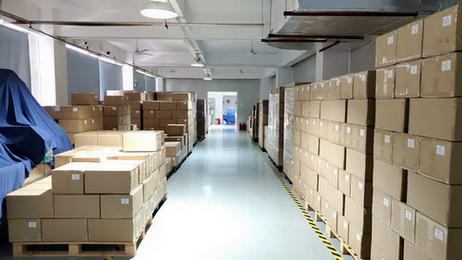
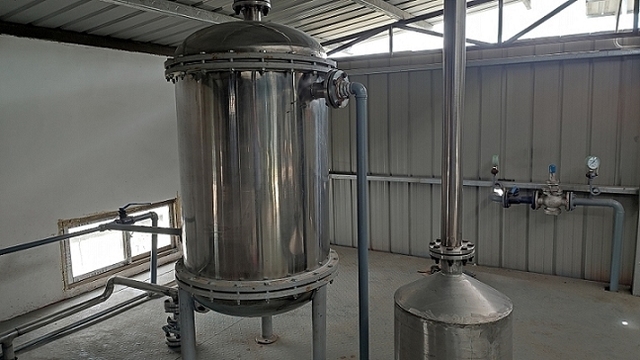
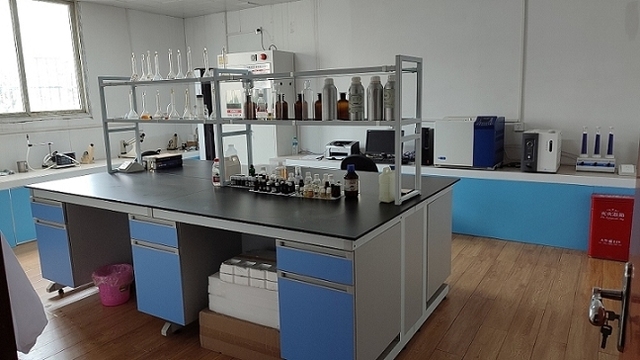
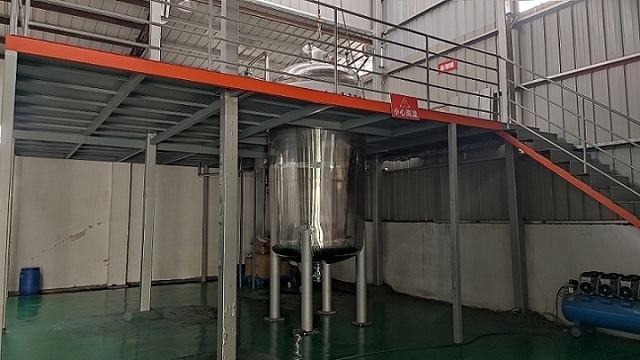
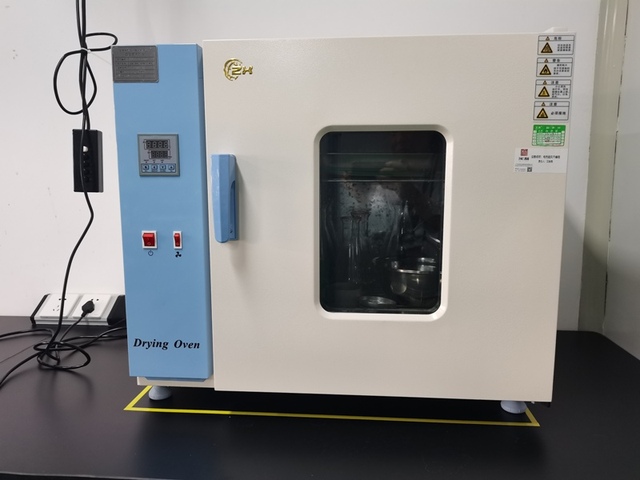
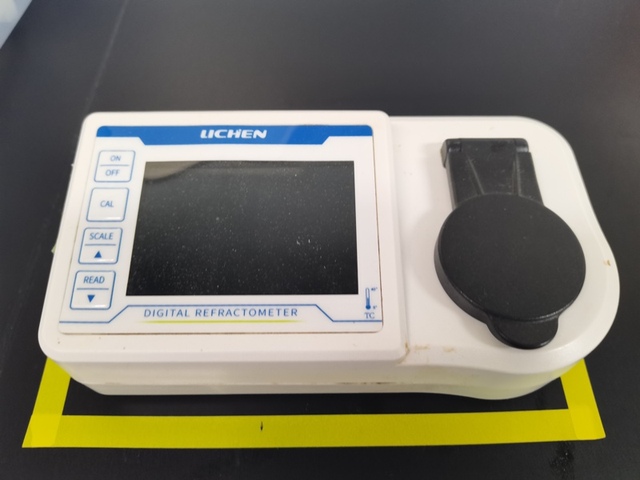
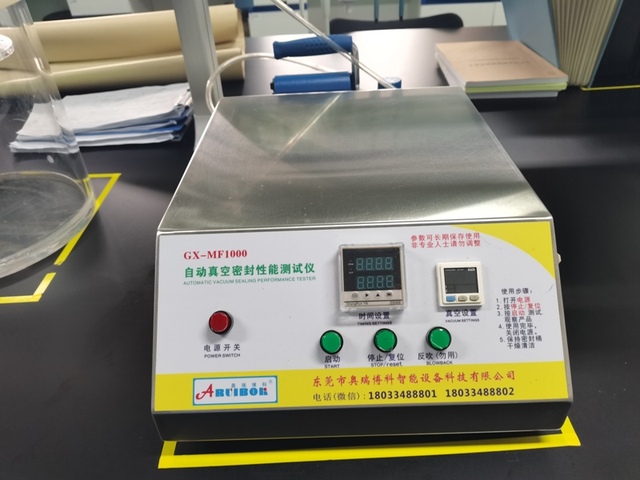
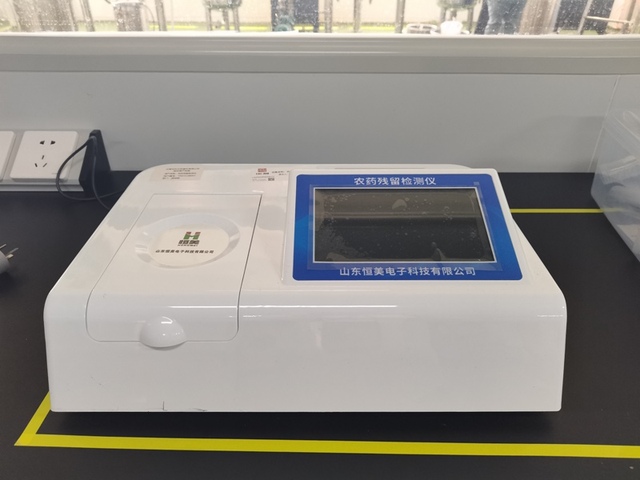
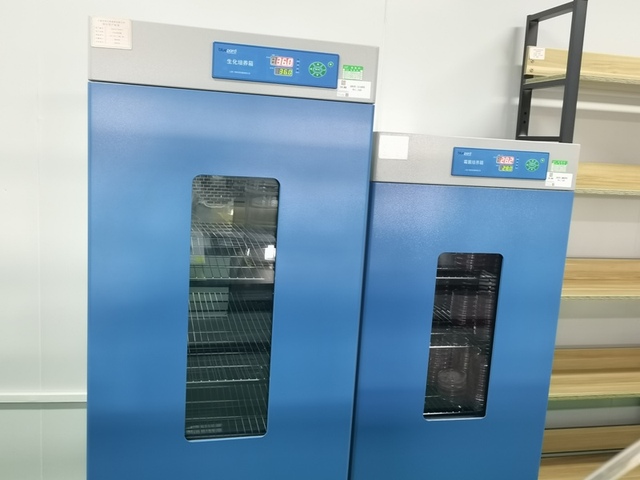
To guarantee clinical-grade safety and performance, our manufacturing centers employ high-tech testing equipment, pilot-scale synthesis units, and cleanroom production zones. Below is an overview of our production operations.

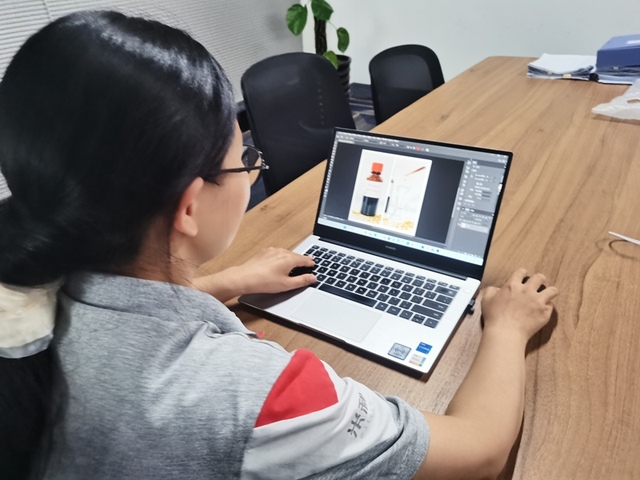
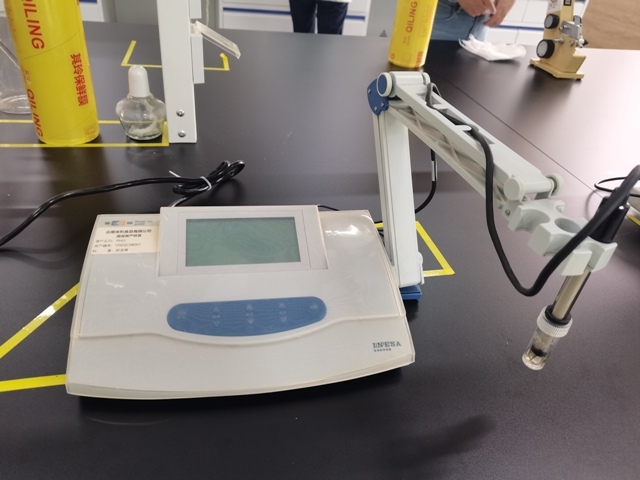
The requirements for natural emollients vary significantly depending on localized consumer preferences, demographic climates, and skin-type research. Understanding these regional variations is critical for brands developing international product lines:
In Europe, consumers prioritize clean labels and high biodegradability. Formulations here demand lightweight plant esters that substitute cyclic silicones without leaving oily residues. Natural emollients with low viscosity and high spreadability are ideal for daily anti-pollution moisturizers and facial oils.
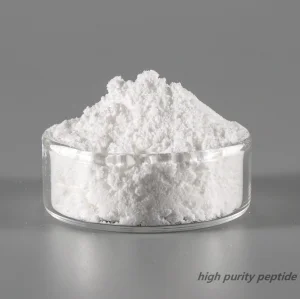
The US and Canadian markets focus heavily on functional results. Natural emollients are combined with actives like peptides and plant extracts to accelerate skin barrier healing. They are frequently used in post-procedure creams, clean makeup bases, and sensitive skin ointments.
In many Asian regions, warm, humid climates require formulations with a non-greasy skin feel. Formulators use light bio-derived emollients in hybrid sunscreens and watery gels, ensuring stable UV filter suspension without clogging pores.
 SehatiCore Supplement