SehatiCore Supplement

1 / 5

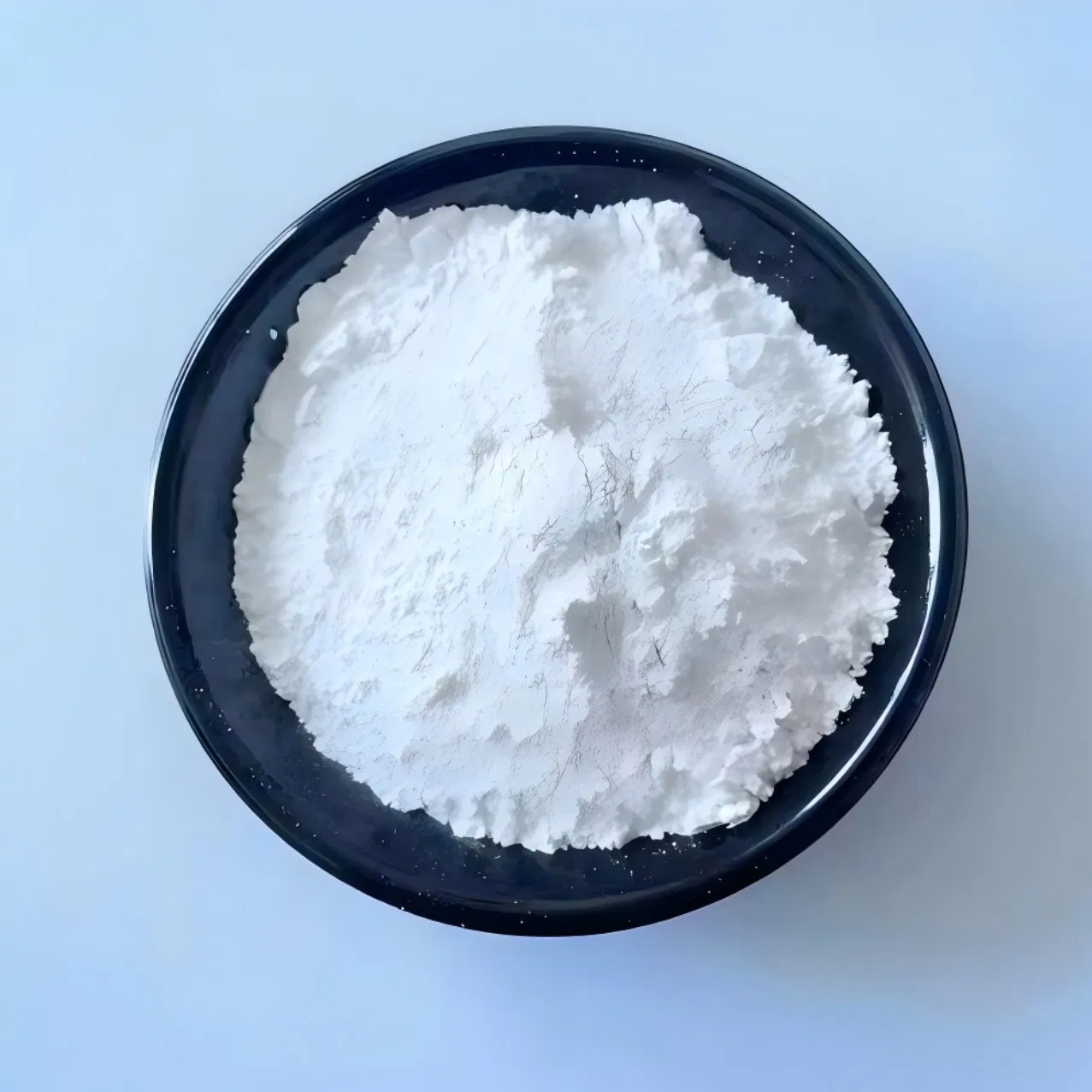
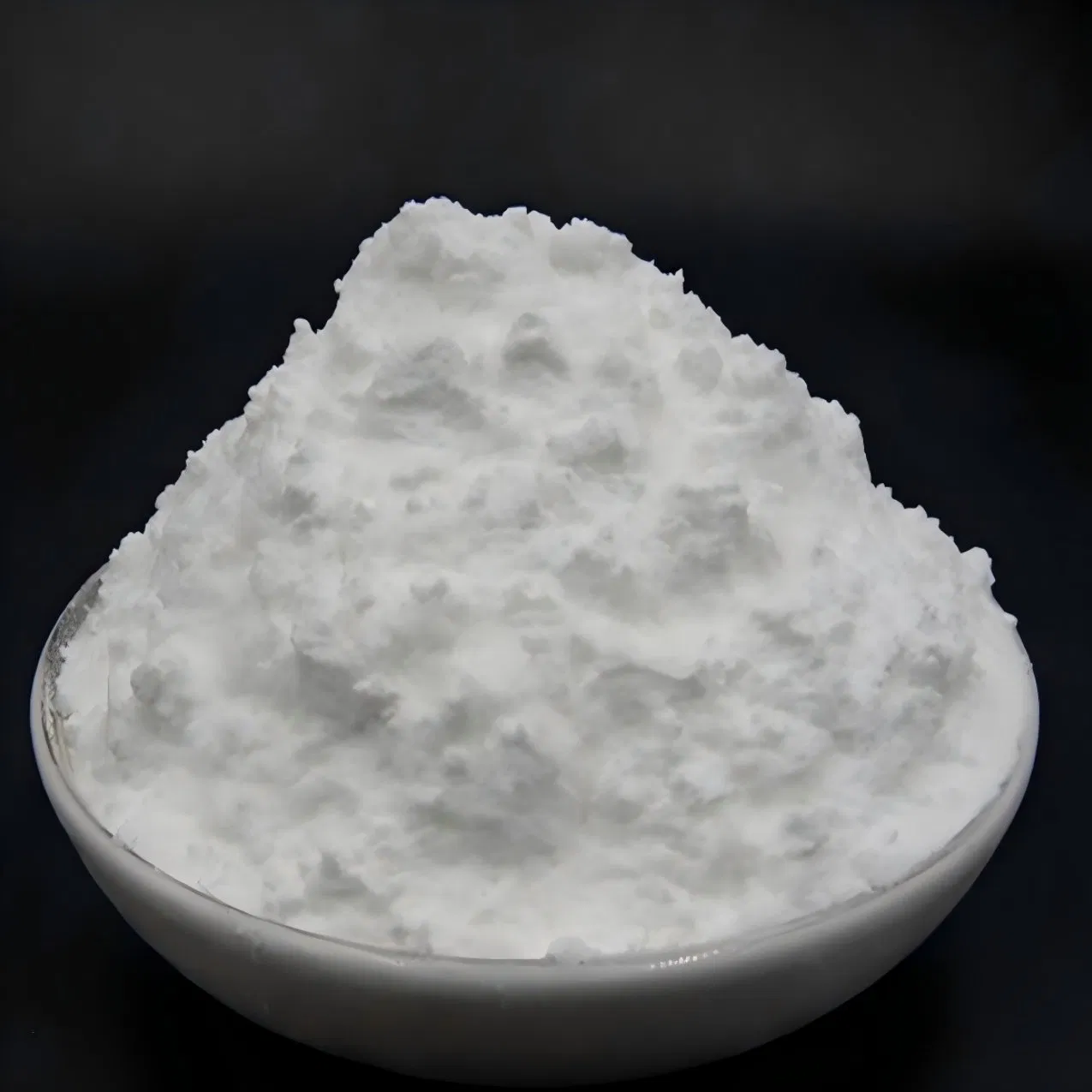
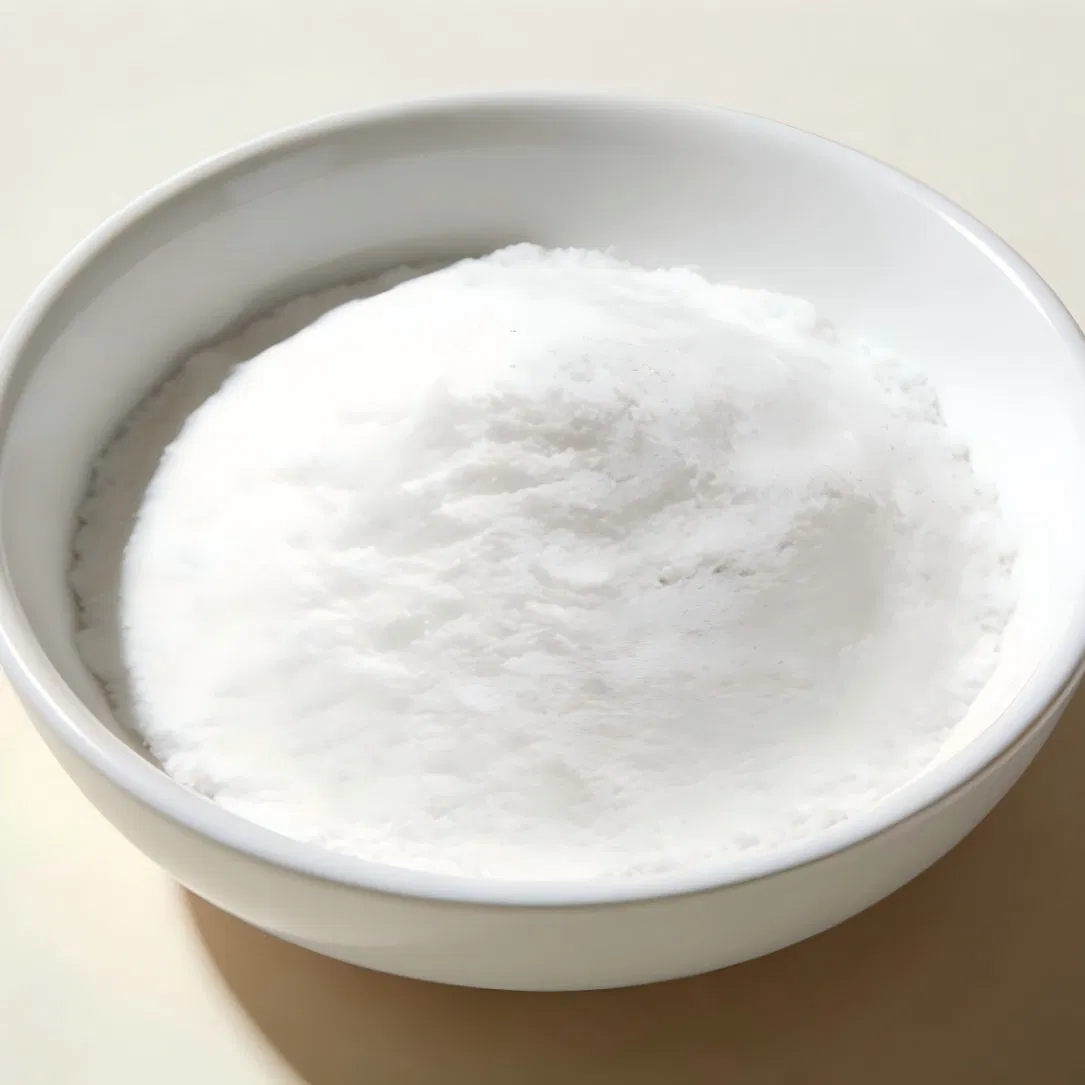
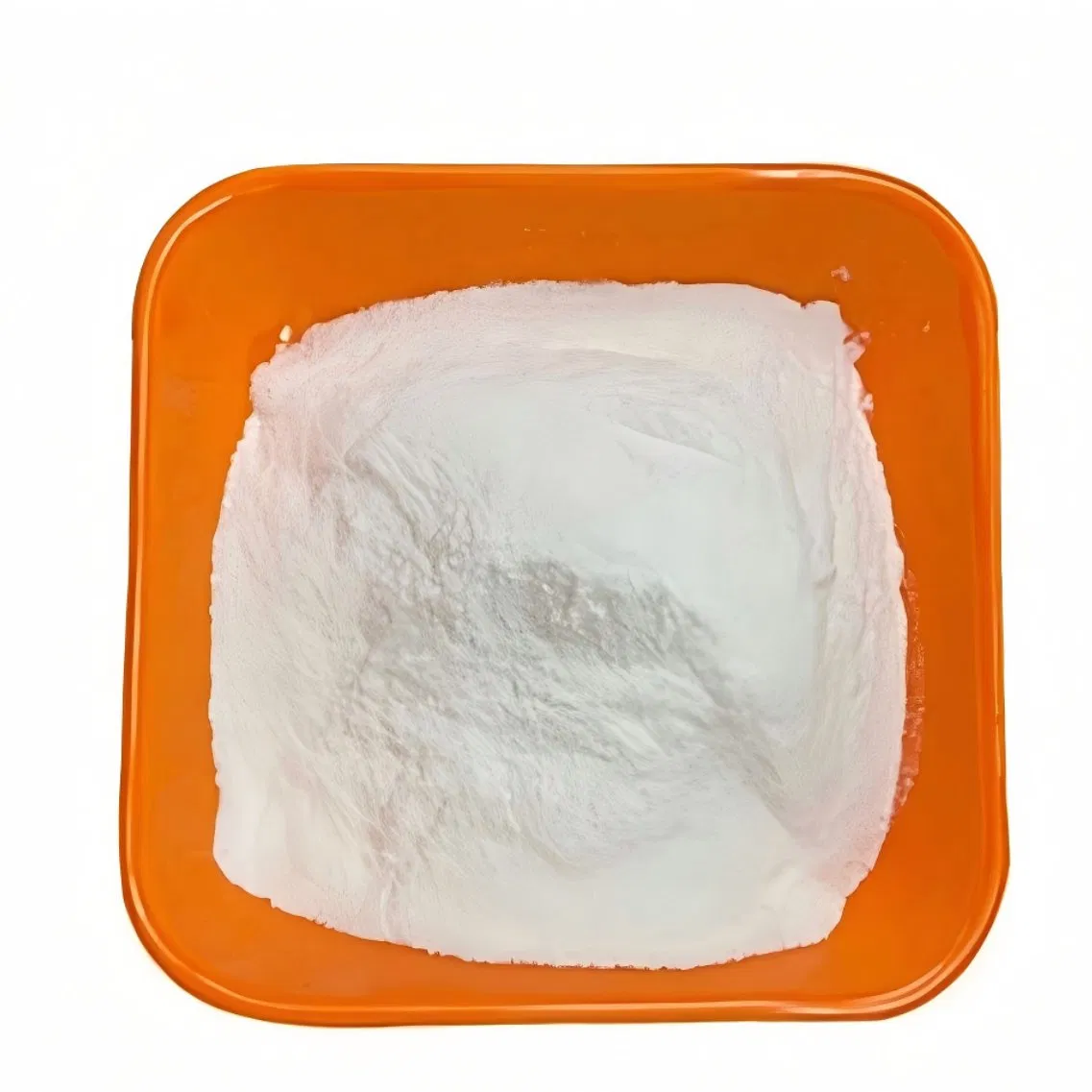
Sodium Hyaluronate is the sodium salt form of hyaluronic acid, a polysaccharide molecule. It is a naturally occurring substance widely found in humans and animals, serving as a major component of soft connective tissues such as human skin, the vitreous body of the eye, and synovial fluid in joints.
Its unique hydrodynamic properties confer vital physical attributes including humectancy, lubricity, and viscoelasticity. These are essential for tissue hydration, structural scaffolding, and shock-absorbing functions. Due to its excellent biocompatibility, it has extensive applications in the pharmaceutical and cosmetic fields.
| Item | Specification | Result |
|---|---|---|
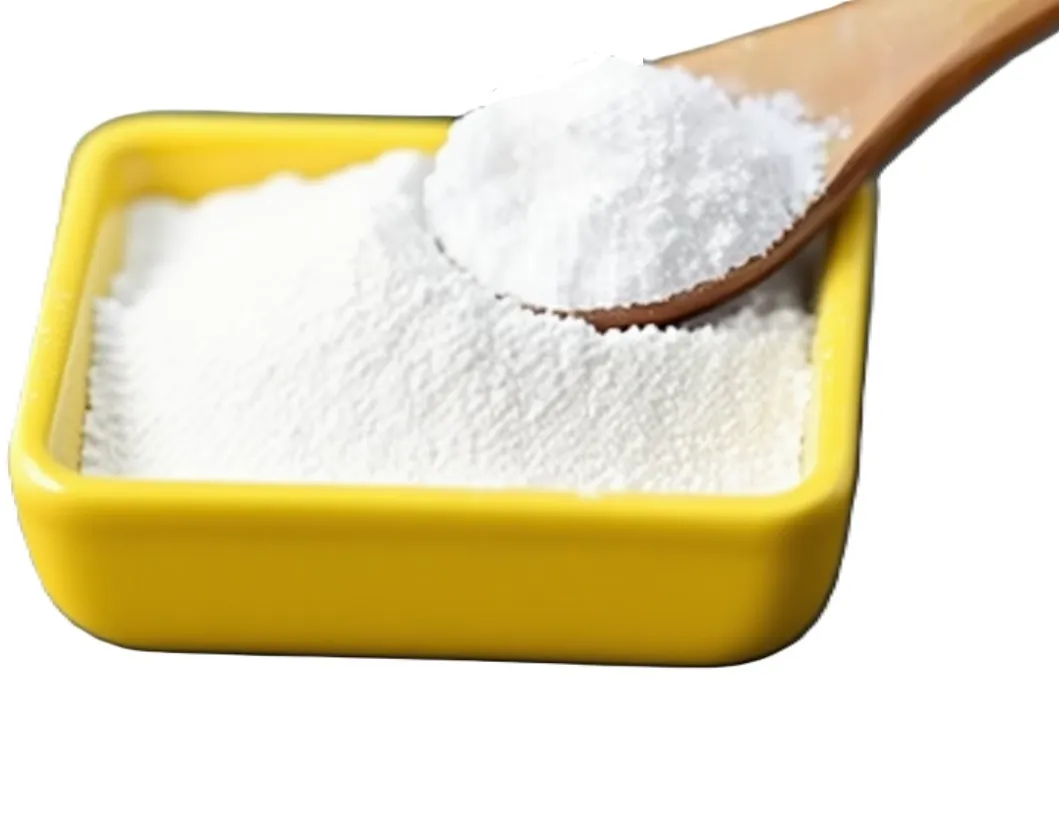
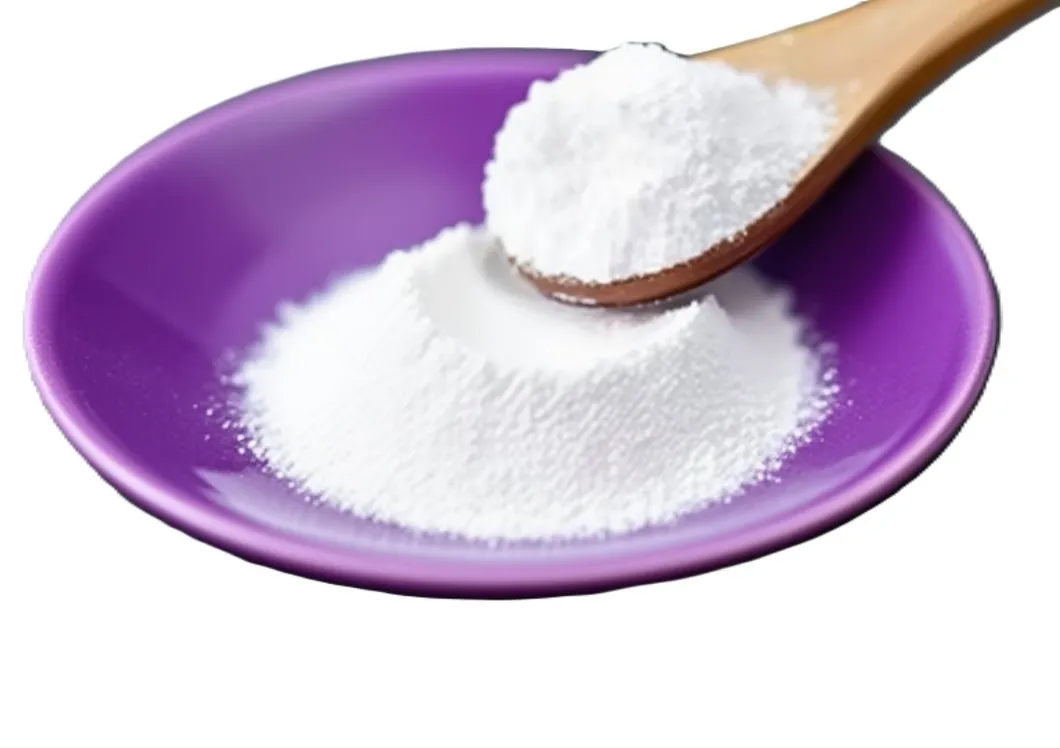
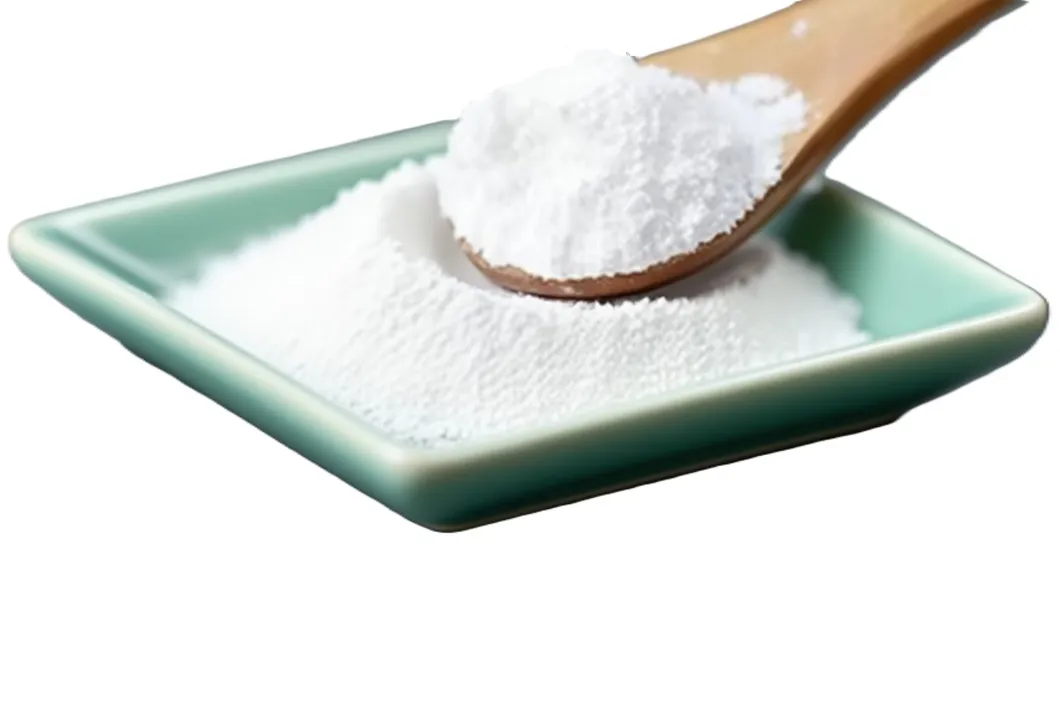
| Appearance | White powder or granules | Complies |
| PH Value | 6.0 ~ 7.5 | 6.5 |
| Transparency | ≥ 99.0% | 100.0% |
| Molecular Weight | ≥ 1.40×10⁶ Da | 1.42×10⁶ Da |
| Loss on Drying | ≤ 10% | 9.34% |
| Protein Content | ≤ 0.1% | 0.03% |
| Assay | 95.0% ~ 105.0% | 96.6% |
| Heavy Metals | ≤ 20ppm | < 20ppm |
| Total Bacterial Count | ≤ 100CFU/g | < 10CFU/g |