Vitamins play an essential role in maintaining healthy skin and promoting hair growth. Understanding how do vitamins affect skin and hair health can lead to better beauty practices. Dr. Jessica Wu, a renowned dermatologist, emphasizes the importance of vitamins when she states, "The right vitamins can transform your skin and hair from dull to radiant."
When vitamins are consumed, they provide crucial nutrients that help our skin and hair thrive. Vitamin E aids in protecting skin cells, while Vitamin A enhances skin renewal. These vitamins help combat dryness and improve overall texture. Similarly, B vitamins contribute to hair strength and growth. The connection between diet and beauty is clearer than ever.
However, relying solely on vitamins may not yield immediate results. Factors like genetics, hydration, and stress also impact skin and hair health. Individual responses can vary, which means patience and consistency are key. The journey to healthier skin and hair requires a holistic approach, where vitamins are just one part of the equation.
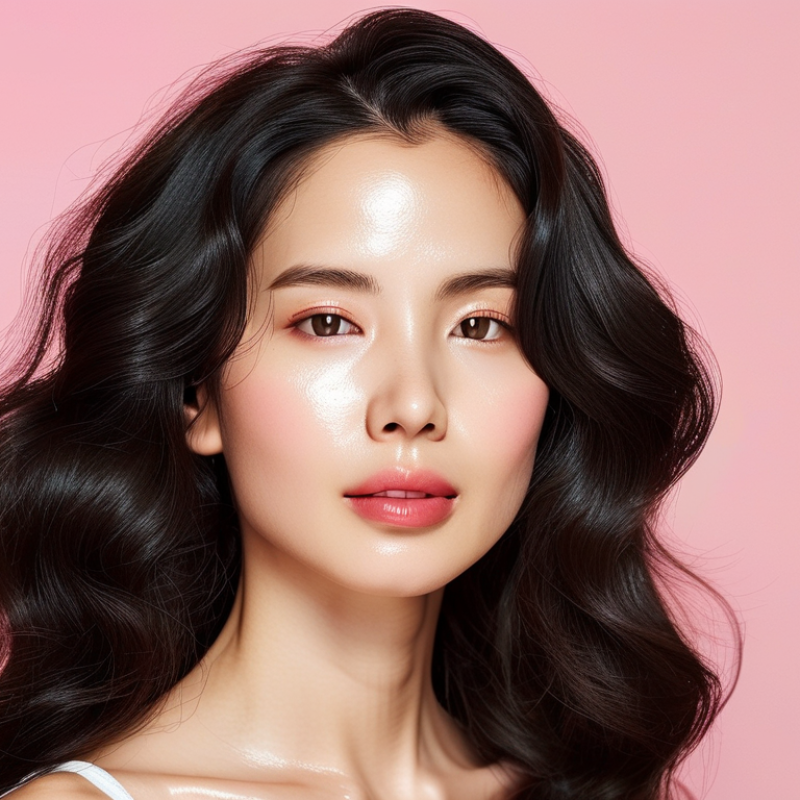
Vitamins play a crucial role in maintaining skin vitality and promoting healthy hair growth. Vitamin A is essential for skin repair and regeneration. It helps in preventing dryness and enhances the skin's texture. Often found in foods like carrots and sweet potatoes, it supports the production of new skin cells. Vitamin C, known for its antioxidant properties, aids in collagen production. This crucial protein keeps the skin firm and youthful. Citrus fruits and bell peppers are excellent sources, ensuring your skin looks radiant.
Biotin, also known as vitamin B7, is vital for hair health. It strengthens hair follicles and enables growth. Foods rich in biotin include eggs and nuts. Vitamin E protects the skin from oxidative stress, enhancing its glow and health. This vitamin can be found in seeds and green leafy vegetables. Additionally, vitamin D, often obtained from sunlight, is linked to hair cycle regulation. While many people seek sun exposure, not everyone gets enough. Thus, dietary sources like fatty fish or fortified products become important.
Remember, getting sufficient vitamins is not always straightforward. Lifestyle factors, such as stress and diet, can impact vitamin absorption. Some might struggle despite a balanced diet, highlighting the need for a tailored approach. Regular consultation with a health professional can guide dietary choices, ensuring optimal skin and hair health.
| Vitamin | Benefits for Skin | Benefits for Hair Growth | Sources |
|---|---|---|---|
| Vitamin A | Promotes cell production and repair, helps maintain skin clarity. | Supports healthy hair follicles and reduces hair loss. | Carrots, sweet potatoes, spinach, and fish. |
| Vitamin C | Antioxidant that helps protect skin from UV damage and aids in collagen production. | Strengthens hair and prevents damage. | Citrus fruits, strawberries, bell peppers, and broccoli. |
| Vitamin E | Moisturizes skin and improves its elasticity. | Helps balance moisture in the scalp. | Nuts, seeds, spinach, and avocados. |
| Biotin (Vitamin B7) | Supports skin health, helps improve dryness. | Known for promoting hair growth and thickness. | Eggs, almonds, sweet potatoes, and whole grains. |
| Niacin (Vitamin B3) | Improves skin barrier function and reduces redness. | Improves blood circulation to hair follicles. | Poultry, beef, fish, and whole grains. |
| Folic Acid (Vitamin B9) | Enhances cell turnover and skin regeneration. | Promotes healthy DNA and hair cell function. | Legumes, spinach, and fortified cereals. |
| Vitamin D | May help with skin cell growth, repair, and metabolism. | Can stimulate hair follicles for new hair growth. | Sunlight, fatty fish, and fortified foods. |
| Vitamin K | Aids in healing skin and reducing dark circles. | Improves overall scalp health. | Green leafy vegetables, broccoli, and eggs. |
| Vitamin B5 (Pantothenic Acid) | Helps retain moisture and improve skin texture. | Strengthens hair and prevents breakage. | Meat, fish, dairy products, and whole grains. |
play in skin health?
Vitamin E acts as an antioxidant and can improve skin elasticity and hydration through supplementation.
Vitamin D influences hair follicle cycling. Insufficient levels may cause hair thinning and loss.
Yes, excessive vitamin intake, like Vitamin A, can cause toxicity and skin problems. Balance is crucial.
Biotin, or vitamin B7, supports keratin production, crucial for strong hair and healthy skin.
Eggs, nuts, and whole grains are rich in biotin and can enhance hair and skin health.
Individual responses to biotin vary. It may take time for some to notice improvements.
Yes, self-care is essential. Stress and care routines influence how well vitamins work for your health.
Yes, stress and poor care can undermine the effects of vitamins like biotin on hair and skin.
Consulting a healthcare professional can provide personalized advice for tackling specific health concerns.
The article "Top 10 Vitamins for Healthy Skin and Hair Growth: How Do They Help?" explores the essential vitamins required for maintaining vibrant skin and promoting healthy hair growth. It outlines the significant role these vitamins play in skin health and hair development, emphasizing how vitamins impact skin vitality and hair nourishment.
Key vitamins such as Vitamin A are highlighted for their ability to repair skin and strengthen hair, while Vitamin E is discussed for its moisturizing properties that enhance skin hydration and provide nourishment to hair. Additionally, the article delves into the importance of Biotin, known for its crucial contribution to hair growth and overall skin freshness. By understanding how do vitamins affect skin and hair health, individuals can make informed choices to improve their beauty regimen naturally.

 SehatiCore Supplement