Top 10 Trending Ingredients in Nutricosmetics Industry?

Time:2026-10-20 Author:Madeline
0%

Nutricosmetics are changing as consumers connect skincare with nutrition, sleep, stress, and everyday wellness. They now expect beauty products to fit easily beside breakfast, exercise, and evening routines. This shift raises a practical question: what are trending ingredients in nutricosmetics industry? The answer includes familiar nutrients, emerging botanical compounds, and ingredients supported by different levels of research.

This guide examines ten widely discussed ingredients, including collagen peptides, hyaluronic acid, ceramides, biotin, vitamin C, astaxanthin, probiotics, postbiotics, polyphenols, and selected adaptogens. A collagen powder stirred into morning coffee shows how convenience shapes product design. A capsule containing ceramides may appeal to consumers focused on skin comfort and moisture retention. However, popularity does not equal clinical certainty. Evidence can vary by dosage, formulation, study length, and participant group.

That distinction matters.

Reliable nutricosmetic development requires more than attractive packaging or influencer attention. Formulators, nutrition professionals, and regulatory teams should review ingredient quality, safety data, bioavailability, and permitted claims in each market. Human studies deserve greater weight than laboratory findings alone. Even then, results may not apply equally to every person. Individual diet, age, medication use, and skin condition can influence outcomes.

The industry also has weaknesses. Some claims move faster than the evidence. Some “new” ingredients are simply familiar nutrients with refreshed marketing. This article therefore considers both opportunity and uncertainty, helping readers compare trends without treating supplements as medical treatments. A careful view is less exciting, perhaps, but it is more useful for responsible product choices.
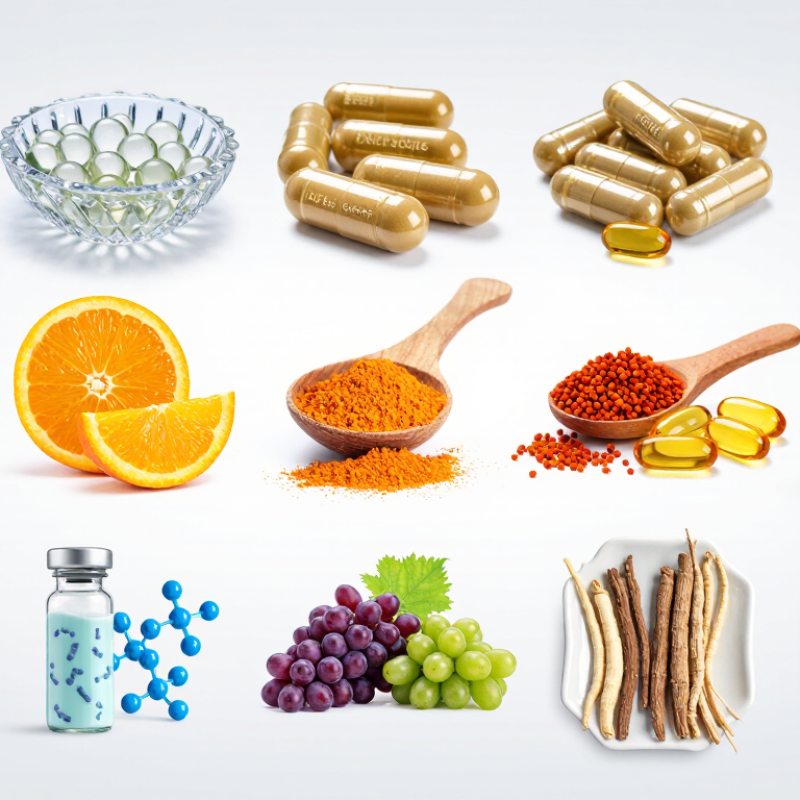
Top 10 Trending Ingredients in Nutricosmetics Industry?

What Are Nutricosmetics and How Do They Support Beauty From Within?

Nutricosmetics are ingestible products designed to support skin, hair, and nail health from within. They may contain collagen peptides, vitamins, minerals, fatty acids, or plant extracts. Unlike topical skincare, they work through digestion and nutrient availability. Their effects usually depend on regular use, balanced nutrition, and individual biology. They are not magic.

Current interest centers on collagen peptides, hyaluronic acid, vitamin C, ceramides, biotin, zinc, omega-3 fatty acids, probiotics, astaxanthin, and polyphenol-rich extracts. Collagen and hyaluronic acid may support skin structure and hydration. Vitamin C helps normal collagen formation, while zinc supports normal skin maintenance. However, evidence differs by ingredient, dosage, and study quality. A popular ingredient is not automatically an effective one.

Read the label carefully. Check the amount per serving, allergen information, and independent quality testing. Avoid products that promise instant wrinkle removal or dramatic hair growth. Results, when noticeable, can take weeks or months. People with medical conditions, allergies, or pregnancy-related concerns should seek professional advice before use. Even well-designed formulas can disappoint. That is worth admitting. Beauty from within works best as a measured part of daily care, not a replacement for sleep, protein-rich meals, sun protection, or appropriate dermatological treatment.

Why Collagen Leads the Trending Nutricosmetics Ingredient Market

Collagen Leads the Trending Nutricosmetics Ingredient Market

Collagen remains the strongest conversation in nutricosmetics. Grand View Research valued the global collagen market at about USD 9.1 billion in 2022. It also expects steady growth through 2030. These figures cover wider applications, not beauty supplements alone. Still, they show collagen’s commercial momentum.

Why does it lead? Consumers understand its role in skin structure. Hydrolyzed collagen peptides also dissolve easily in a morning drink. Several controlled studies report modest improvements in skin hydration and elasticity after regular intake. The details matter. Results often depend on peptide type, dosage, and study duration. A glossy label cannot replace clinical evidence.

Future Market Insights identifies beauty supplements as a growing part of preventive wellness. Market estimates vary, sometimes widely. That should make professionals cautious, not dismissive. In practice, consumers want visible changes around the mirror: softer dryness, fewer rough patches, and stronger-looking nails. Collagen fits this expectation better than many unfamiliar ingredients. However, it is not magic. Diet, sleep, sun exposure, and age still influence outcomes. Some product claims remain stronger than the supporting evidence. That gap deserves more honest communication.

How Antioxidants, Vitamins, and Minerals Promote Skin Health

Nutricosmetics are shifting toward nutrients linked with visible skin function. The strongest interest centers on antioxidants, vitamins, and minerals. In practice, these compounds may support collagen production, barrier strength, and protection from oxidative stress. That distinction matters.

Trending formulas often feature vitamin C, vitamin E, vitamin A, and vitamin B3. They also include vitamin D, zinc, selenium, copper, astaxanthin, and coenzyme Q10. Vitamin C helps normal collagen formation and supports antioxidant defenses. Vitamin E helps protect cells from oxidative damage. Vitamin A supports skin renewal, while vitamin B3 may help maintain the skin barrier. Vitamin D influences immune and cellular processes. Zinc and copper support tissue maintenance, but excessive intake can create problems. Selenium contributes to antioxidant enzyme activity. Astaxanthin and coenzyme Q10 are studied for their antioxidant potential.

Results are rarely instant. Skin reflects sleep, sunlight, stress, diet, and genetics. A capsule cannot erase those influences. Evidence also varies between ingredients, doses, and study designs. Some benefits appear clearer in people with nutritional gaps. Others remain promising but incomplete. I would not treat “natural” as automatically safe. Checking doses with a qualified healthcare professional is sensible, especially during pregnancy or when taking medication. Personally, I find balanced formulas more convincing than products built around one dramatic claim. The research still needs better long-term studies.

The Growing Role of Botanicals, Probiotics, and Omega-3s

Botanicals are shaping the nutricosmetics conversation because consumers recognize their traditional beauty roles. Green tea, turmeric, rosemary, and grape seed extracts appear in many modern formulations. Their value depends on standardized compounds, suitable doses, and careful safety reviews. A vivid ingredient story is not enough. Laboratory antioxidant activity may not translate into visible skin changes. That gap deserves more honesty.

Probiotics add another layer of interest. Certain strains may support the gut-skin relationship and help maintain a balanced intestinal environment. However, effects can differ by strain, dose, storage conditions, and individual health. “Probiotic” is not one uniform ingredient. Formulators should identify the strain clearly and verify product stability through its shelf life. Live cultures are fragile. Even small temperature changes may matter.

Omega-3s remain important for skin comfort and barrier function. They are commonly associated with fatty fish oils, algae oils, and essential fatty acids. Their quality depends on oxidation control, purification, and transparent testing for contaminants. Consumers may notice benefits slowly, if at all. Capsules can also create adherence problems through taste or size. A more realistic approach combines nutrition, topical care, sleep, and professional guidance. The industry still needs stronger long-term trials, better outcome measures, and less confidence built around attractive packaging.

Top 10 Trending Ingredients in Nutricosmetics Industry? - The Growing Role of Botanicals, Probiotics, and Omega-3s

Ingredient trends, beauty positioning, formulation formats, and evidence considerations based on commonly studied active compounds

Rank Ingredient Category Primary Nutricosmetic Positioning Key Compounds or Nutrients Common Study Range* Typical Product Formats Evidence and Formulation Notes
1 Collagen Peptides Protein-derived Skin hydration, elasticity, and reduction in the appearance of fine lines Hydrolyzed collagen peptides, glycine, proline, and hydroxyproline Approximately 2.5–10 g per day in human skin studies Powders, sachets, capsules, ready-to-drink beverages Several randomized trials and reviews report improvements in selected skin hydration and elasticity measures. Results vary by peptide profile, duration, and study design.
2 Probiotics and Postbiotics Microbiome Support for the skin barrier, moisture balance, and skin comfort Live microbial strains, bacterial metabolites, and fermented ingredients Often 108–1010 colony-forming units per day for probiotics; product-specific for postbiotics Capsules, powders, gummies, fermented drinks Human evidence is promising but strain-specific. Viability, storage temperature, moisture control, and clearly identified strains are important quality factors.
3 Omega-3 Fatty Acids Lipid nutrient Support for skin barrier function, moisture retention, and oxidative-stress management EPA and DHA from marine or algal sources; ALA from plant sources Common supplemental ranges are approximately 250–1,000 mg per day of EPA plus DHA Softgels, algae-oil capsules, emulsified liquids EPA and DHA have established nutritional roles. Oxidation control, peroxide testing, source sustainability, and interactions with anticoagulant therapy require attention.
4 Curcumin and Turmeric Extract Botanical Antioxidant and inflammation-related wellness positioning for skin and connective tissue Curcuminoids, including curcumin, demethoxycurcumin, and bisdemethoxycurcumin Approximately 500–1,000 mg per day of standardized extracts in many human studies Capsules, tablets, powders, emulsions Bioavailability differs substantially between extracts. Formulations may use lipid dispersion or other delivery systems; medication interactions should be considered.
5 Ashwagandha Botanical adaptogen Stress, sleep, and stress-related appearance or hair-wellness positioning Withanolides and other standardized root extract constituents Approximately 240–600 mg per day of standardized root extracts in human studies Capsules, powders, gummies, functional beverages Clinical research mainly concerns stress and sleep outcomes rather than direct cosmetic endpoints. Botanical identity, plant part, standardization, and safety screening are essential.
6 Hyaluronic Acid Structural polysaccharide Skin hydration, moisture retention, and a smoother-looking skin surface Oral hyaluronic acid with varying molecular weights Approximately 60–240 mg per day in oral skin studies Capsules, tablets, powders, drinkable ampoules Small human trials report potential benefits for skin moisture and wrinkle-related measures. Molecular weight, purity, and manufacturing source can influence product specifications.
7 Astaxanthin Carotenoid Protection against oxidative stress and support for skin moisture and elasticity Natural xanthophyll carotenoid with strong lipid-phase antioxidant activity Approximately 4–12 mg per day in human supplementation studies Softgels, oil suspensions, emulsified beverages Human studies suggest possible improvements in selected skin parameters. Because it is fat-soluble, oil-based delivery and protection from light and oxygen are relevant.
8 Ceramides Lipid nutrient Support for the skin barrier and reduction of transepidermal water loss Plant-derived glucosylceramides and other sphingolipid fractions Approximately 20–40 mg per day in selected oral skin-barrier studies Capsules, softgels, powders, fortified drinks Some controlled studies report improved skin hydration and barrier-related measures. The exact lipid composition, extraction method, and dose equivalence should be verified.
9 Green Tea Catechins Botanical polyphenol Antioxidant support and protection from environmental stressors Epigallocatechin gallate and related catechins Common extract studies use approximately 150–500 mg catechins per day Capsules, tablets, powders, tea-based beverages Polyphenols are widely studied for antioxidant activity, but high-dose concentrated extracts require safety evaluation, particularly for liver-related risks and use on an empty stomach.
10 Biotin B-vitamin Hair and nail wellness, especially where inadequate intake is present Vitamin B7, a water-soluble vitamin involved in macronutrient metabolism Adequate intake for adults is 30 micrograms per day; higher supplemental doses are common but not universally necessary Tablets, capsules, gummies, multinutrient formulas Biotin deficiency can affect hair, skin, and nails, but evidence for high-dose use in individuals with adequate intake is limited. High doses can interfere with certain laboratory tests.

*Study ranges are indicative amounts reported in human research or commonly used nutritional formulations, not universal recommendations. Product claims, permitted doses, labeling, and health statements should be checked against the regulations of the target market. Evidence strength differs by ingredient, extract standardization, dosage, duration, and consumer population.

How Safety, Evidence, and Consumer Needs Shape Ingredient Trends

Top 10 Trending Ingredients in Nutricosmetics Industry?

Nutricosmetic trends now reflect a careful balance between visible results and responsible formulation. Collagen peptides, hyaluronic acid, biotin, ceramides, astaxanthin, vitamin C, zinc, probiotics, omega-3s, and botanical extracts remain widely discussed.

Yet popularity is not proof. Ingredient selection should begin with human studies, realistic doses, and clear quality standards.

Safety comes before novelty.

Formulators should review allergen risks, drug interactions, contamination controls, and upper intake limits. A powder may look harmless on a kitchen shelf, but its source and concentration matter. Independent laboratory testing can verify identity, purity, heavy metals, microbes, and label accuracy. Evidence also depends on the ingredient form. One collagen preparation cannot represent every collagen product.

Consumer needs shape the market just as strongly. People want convenient sachets, pleasant textures, transparent labels, and benefits they can understand. They also expect vegan, low-sugar, and traceable options.

Personal experience in product evaluation shows that adherence often fails because of taste, not science.

Still, some claims move faster than research. That gap deserves more honesty. We should ask whether a glowing testimonial reflects biology, routine, or expectation. Progress is real, but confidence should remain measured.

FAQS

Which nutrients are commonly linked with healthier skin?

Vitamin C supports normal collagen formation and antioxidant defenses. Vitamin E helps protect cells from oxidative damage. Vitamin A supports skin renewal. Zinc, copper, and selenium support tissue maintenance and antioxidant activity.

Can vitamin B3 help the skin barrier?

Vitamin B3 may help maintain the skin barrier. A stronger barrier can support comfort and reduce moisture loss. Results depend on dose, diet, and individual needs. It is not an instant repair.

How quickly might skin supplements show results?

Results are rarely immediate. Skin also reflects sleep, sunlight, stress, diet, and genetics. Changes may take weeks or longer. Sometimes, nothing noticeable happens.

Are antioxidant ingredients proven to improve visible skin?

Some evidence is encouraging, but it varies by ingredient and study design. Laboratory antioxidant activity does not guarantee visible results. That difference deserves honest expectations. I would avoid dramatic promises.

Are botanical extracts automatically safe?

No. “Natural” does not always mean harmless. Green tea, turmeric, rosemary, and grape seed extracts need suitable doses and safety reviews. Traditional use is not complete proof.

What should consumers know about probiotics for skin support?

Probiotic effects can differ by strain, dose, storage, and personal health. A product should identify its strain clearly. Live cultures are fragile. Small temperature changes may matter.

How might omega-3s support skin comfort?

Omega-3s are associated with skin comfort and barrier function. Their quality depends on oxidation control, purification, and contaminant testing. Benefits may appear slowly, if at all. Capsules can be difficult to take.

Should someone combine supplements with other skin-care habits?

A realistic approach combines balanced nutrition, topical care, sleep, and professional guidance. Supplements cannot erase sunlight or chronic stress. Check doses with a qualified healthcare professional, especially during pregnancy or medication use. More long-term research is still needed.

Conclusion

Nutricosmetics are beauty-focused supplements designed to support skin, hair, and nail health from within. The question “what are trending ingredients in nutricosmetics industry” reflects growing interest in formulas that combine nutritional value with visible beauty benefits. Collagen remains a leading ingredient because it may help support skin structure, elasticity, and hydration. Antioxidants, vitamins, and minerals also play important roles by helping the body manage oxidative stress and maintain normal skin function.

Botanical extracts, probiotics, and omega-3 fatty acids are gaining attention as consumers seek more holistic approaches to beauty and wellness. Botanicals may provide targeted support, while probiotics are associated with digestive and skin balance, and omega-3s support healthy inflammatory responses and skin moisture. However, ingredient trends are increasingly shaped by safety, scientific evidence, transparent labeling, and individual consumer needs. The future of nutricosmetics will likely favor carefully formulated products that balance innovation with responsible use and realistic beauty expectations.

Madeline

Madeline

Madeline is a dedicated marketing professional with a wealth of expertise in our company's core offerings. With a keen understanding of the industry, she brings a unique perspective to her role, consistently delivering high-quality content that highlights the superior aspects of our products. As......