Plant-based extracts bring concentrated botanical ingredients into supplements, but their role is more specific than simply adding “natural” material. They may supply characteristic compounds from leaves, roots, seeds, or flowers. The final extract depends on the plant part, growing conditions, and processing method. Details matter.
The question “what is the role of plant-based extracts in supplements” also asks how reliably an extract is made and what evidence supports its use. A label may name an herb but omit its extraction method or meaningful quality information. That gap deserves attention. Extracts can vary between batches, and traditional use does not by itself establish a health benefit. Claims should be assessed against human research, not vivid marketing language.
Physician and botanist Paracelsus offered a lasting safety principle: “The dose makes the poison.” His words are not a modern supplement standard, but they underline why concentration and serving size matter. A standardized extract may help keep selected compounds within a defined range; it does not guarantee that every product works as claimed. Look for clear ingredient amounts, plant identity, and credible quality testing. Ask how the evidence applies to the exact extract, not merely the plant name.
There is no magic leaf. A useful supplement depends on careful formulation, transparent manufacturing, and realistic expectations. The evidence can be uneven, and even a well-made product may not suit everyone. That uncertainty is part of an honest assessment.
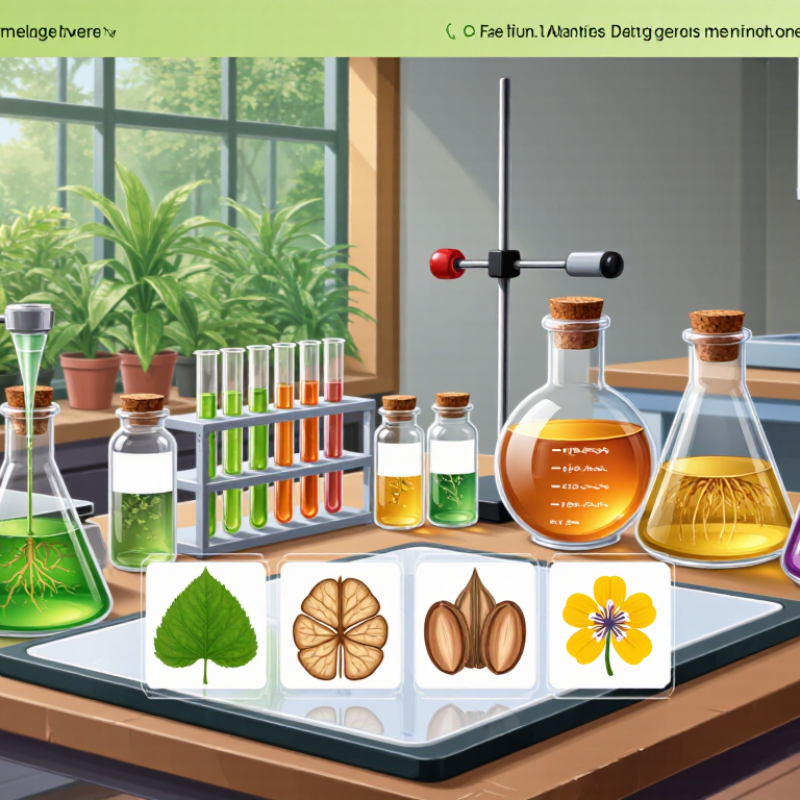
Plant-based extracts are concentrated preparations made from plant materials, such as leaves, roots, flowers, seeds, bark, or fruit. They are produced using water, alcohol, or other food-grade solvents to draw out selected compounds. The result may be a liquid, powder, or standardized extract with a measured level of certain constituents. An extract is not simply a dried herb. Processing can change what remains in it.
Sources range from familiar plants such as ginger and peppermint to less familiar roots, berries, and tree bark. The plant part matters: a leaf and a root from the same species can have different chemical profiles. So can extracts made with different solvents. That detail is easy to overlook.
The World Health Organization’s 2019 global report found that 170 of 194 member states reported use of traditional and complementary medicine; this describes broad use, not proof that every botanical extract is effective. The American Botanical Council’s 2022 HerbalGram market report recorded U.S. herbal supplement sales of about $12.4 billion, reflecting substantial consumer interest. Still, sales do not establish quality or benefit. Clear identification of the species, plant part, extraction method, and batch testing helps explain what an extract actually contains.
Botanical extracts bring concentrated plant compounds into supplements, but “plant-based” does not mean every product works the same way. The key compounds depend on the plant part, harvest conditions, and extraction method. A leaf steeped in water may yield a different profile from a root processed with alcohol. Small details matter.
Polyphenols, including flavonoids, are found in plants such as green tea and berries. They are studied for their antioxidant activity, though results from laboratory research do not always predict effects in people. Terpenes give some herbs their distinctive aromas. Saponins and plant sterols are other groups used in supplement formulations. Their amounts can vary between batches, so a label showing the extract ratio or standardized compounds can offer useful context. It is not a guarantee of quality, though.
Tips: Check the ingredient panel for the plant part and extract amount. Look for independent quality testing when available. Ask a health professional about possible interactions, especially if you take medication or have a health condition. Keep expectations measured. Evidence differs by compound, dose, and intended use, and some uncertainty remains.
Plant extracts function as concentrated mixtures of compounds taken from leaves, roots, seeds, flowers, or bark. In supplements, they can provide characteristic plant constituents in a measured serving. That matters. A cup of brewed tea and a capsule containing an extract are not necessarily equivalent.
Extraction methods shape what ends up in the supplement. Water may draw out different compounds than alcohol or other food-grade solvents, while heat and storage can affect stability. A ginger extract, for example, may have a sharp, warming aroma, but smell alone cannot confirm its strength or purity. Some products are standardized to a stated level of selected compounds; others are not. Not always. A tidy label can still leave important details unclear.
Extracts are ingredients, not guarantees of a specific health outcome. Their effects can vary with the plant species, growing conditions, preparation, dose, and a person’s health. Reliable manufacturers test identity and screen for contaminants, though testing practices differ. People who take medicines, are pregnant, or have ongoing health conditions should ask a qualified clinician before using concentrated extracts. Even familiar plants can interact with medicines or cause unwanted effects. It is easy to overlook that.
Plant-based extracts can concentrate compounds found in leaves, roots, seeds, or bark. A turmeric-colored powder or green tea capsule may look simple, but its composition depends on the plant part, growing conditions, and extraction method. That matters. Two products labeled with the same plant may not deliver the same compounds or dose.
Health claims need evidence from people, not just laboratory tests. A compound that affects cells in a dish may not produce the same effect after digestion. Human studies can help, but small sample sizes, short follow-up, and varied preparations make results hard to compare. Some extracts show promising effects for specific outcomes; that does not prove they prevent or treat disease. “Natural” also does not mean risk-free. Extracts can cause side effects or interact with medicines, so evidence and safety should be considered together. Research is still uneven, and some claims move faster than the data.
Tips: Check whether a claim cites human studies using a similar extract and dose. Read the ingredient amount, not just the front label. Ask a qualified health professional about possible interactions, especially if you take medication or have a health condition. Bring the package; details are easy to miss.
Plant extracts can deliver concentrated plant compounds, but concentration also magnifies differences in species, growing conditions, and processing. A leaf dried in a humid warehouse may not match the same species grown and handled carefully. Small details matter.
The American Botanical Council’s HerbalGram market report recorded $12.5 billion in U.S. herbal supplement sales in 2022, a 9.7% rise from 2021. That figure describes market demand, not product safety or effectiveness. Each extract still needs checks for botanical identity, active constituents, pesticides, heavy metals, microbes, and residual solvents. A label’s extraction ratio alone cannot establish consistent quality. Not enough.
In the United States, the FDA does not approve supplements for safety and effectiveness before they reach the market. Manufacturers are responsible for meeting dietary supplement current good manufacturing practice requirements; FDA oversight can include inspections and enforcement. Consumers should also consider possible medicine interactions, especially with concentrated extracts. A laboratory result can verify selected quality measures, but it cannot prove a product will help every person. That distinction is easy to overlook.
| Dimension | Role of Plant Extracts | Safety and Quality Considerations | Regulatory Context |
|---|---|---|---|
| Purpose in a supplement | Extracts concentrate selected constituents from plant material and may be included to provide a defined botanical ingredient. | A concentrated extract can differ substantially from the whole plant. Its composition depends on the plant part, extraction method, and processing conditions. | Rules for ingredient status, product classification, and permitted claims depend on the market where the supplement is sold. |
| Botanical identity | Correct identification helps ensure that the ingredient comes from the intended plant species and plant part. | Quality programs may use supplier documentation, macroscopic or microscopic examination, and appropriate analytical methods to check identity and detect substitution. | In the United States, dietary supplement manufacturing is subject to current good manufacturing practice requirements in 21 CFR Part 111, including specifications and quality controls. |
| Standardization and consistency | An extract may be standardized to a specified amount or range of one or more measurable constituents, helping define batch-to-batch composition. | A marker compound can support consistency testing, but its presence or quantity alone does not prove that a product is effective or clinically equivalent to another extract. | Label statements about extract ratios or constituent levels should accurately describe the ingredient and be supported by suitable records and testing. |
| Contaminant control | Testing helps assess whether the botanical ingredient meets defined quality and safety specifications. | Risk-based controls can address heavy metals, pesticide residues, microbes, mycotoxins, and residual solvents, as relevant to the plant and extraction process. | Applicable limits and test requirements vary by ingredient and jurisdiction. Manufacturers should follow relevant laws and use methods appropriate to the identified risks. |
| Dose and use | The amount of extract per serving and the way it is prepared help define how consumers use the product. | Safety depends on the specific botanical, dose, duration, health status, and other substances used. More concentrated does not automatically mean safer or more beneficial. | Labels must meet applicable requirements for serving information, ingredients, warnings, and other required disclosures. |
| Interactions and vulnerable groups | Some plant constituents can have physiological effects and may influence how medicines or other supplements work. | People taking medication, preparing for surgery, pregnant or breastfeeding, or managing a medical condition should consult a qualified health professional before use. | Safety obligations and required warnings depend on the product and the jurisdiction. A supplement label is not a substitute for individualized medical advice. |
| Evidence and claims | Research may examine specific preparations, doses, and populations; findings for one extract may not apply to other preparations of the same plant. | Evidence quality varies. Traditional use, laboratory findings, and human clinical evidence are different kinds of support and should not be treated as interchangeable. | In the United States, certain structure/function claims require a notification to the FDA within 30 days after first marketing and must carry the statutory disclaimer. In the EU, health claims are subject to Regulation (EC) No 1924/2006. |
| Market-specific regulation | An extract may be treated differently across markets depending on its history of use, composition, and intended purpose. | Regulatory review does not replace ingredient-specific safety assessment, manufacturing controls, or ongoing monitoring for adverse events. | In the United States, dietary supplements are generally regulated as foods, and FDA oversight includes post-market authorities. In the EU, food supplement rules apply alongside national provisions; novel food status may also be relevant under Regulation (EU) 2015/2283. |
Note: This table provides general information, not medical or legal advice. Requirements and evidence can change; consult current official guidance for the relevant market.
It is a concentrated preparation made from plant material. It may come as a liquid, powder, or measured extract. It is not simply dried herb.
Leaves, roots, flowers, seeds, bark, and fruit may be used. Different parts can contain different compounds, even when they come from the same plant species.
Yes. Water, alcohol, and other food-grade solvents can draw out different compounds. Processing changes what remains. That detail is easy to miss.
It has a measured level of selected constituents. This can make the label more informative, but it does not guarantee consistent overall quality or benefits.
Useful checks include plant identity, selected constituents, pesticides, heavy metals, microbes, and residual solvents. An extraction ratio alone tells you little.
No. Testing can verify certain quality measures, but it cannot show that an extract will help every person. Not necessarily.
They may. Concentration can make interactions a concern. Ask a qualified health professional about your medicines before using a concentrated extract.
No. Sales figures show interest, not proof of quality or benefit. I find that distinction easy to overlook.
What is the role of plant-based extracts in supplements? These concentrated ingredients are made from parts of plants, such as leaves, roots, seeds, flowers, or bark. They may contain naturally occurring compounds, including polyphenols, flavonoids, terpenes, and other substances that contribute to a plant’s distinctive properties. In supplements, extracts are used to provide these compounds in a convenient, measured form, though their composition can vary depending on the plant, growing conditions, and extraction method.
Plant extracts may support general nutritional or wellness goals, but their effects depend on the specific extract, dose, and individual. Scientific evidence differs from one ingredient to another, and findings do not necessarily establish that a supplement can prevent or treat disease. Consumers should consider product quality, clear labeling, appropriate testing, and possible interactions or sensitivities. Responsible use also depends on following applicable regulations and seeking advice from a qualified health professional when needed.

SehatiCore Supplement