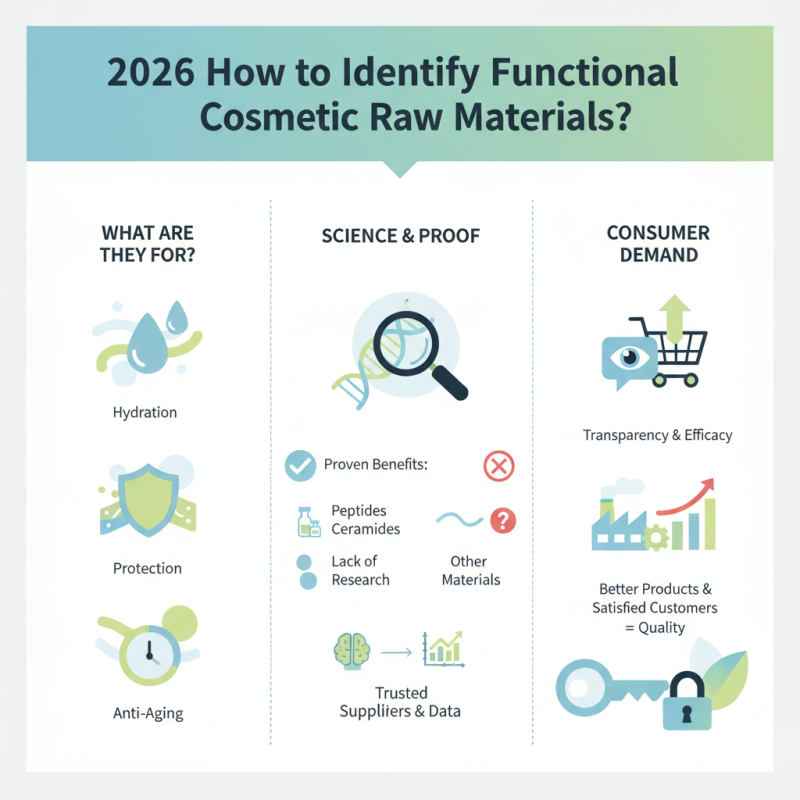
Identifying functional cosmetic raw materials is crucial for formulators and brands. These ingredients play a vital role in product effectiveness. But what are functional cosmetic raw materials used for? They enhance skin appearance and provide lasting benefits. This includes hydration, protection, and anti-aging properties.
Many raw materials claim effectiveness, but not every ingredient delivers on its promise. It is important to understand the science behind each material. Some ingredients, like peptides and ceramides, have proven benefits. Others may lack sufficient research to support their claims. Brands should rely on trusted suppliers and scientific data when selecting raw materials.
Consumers are increasingly aware of product formulations. They seek transparency and efficacy. This demand places pressure on manufacturers to choose wisely. However, not all materials are created equal. Knowing how to identify functional ingredients can make a significant difference. It can lead to better products and satisfied customers.
Understanding Functional Cosmetic Raw Materials: An Overview
Understanding functional cosmetic raw materials is crucial for formulators and consumers alike. These materials are the backbone of effective cosmetic products. They serve specific purposes, such as moisturizing, anti-aging, or sun protection. Recognizing these roles helps in selecting the right ingredients for desired results.
Functional raw materials fall into various categories like emollients, humectants, and active substances. Emollients smooth and soften the skin. Humectants attract moisture from the air, enhancing hydration. Active ingredients target skin concerns, offering specific benefits. A keen eye for details in ingredient lists can reveal much about a product's efficacy.
It's important to note that not all functional materials are created equal. Some may have limited efficacy due to their formulation process or concentration levels. Consumers should scrutinize products based on their specific needs. Educating oneself about these materials can lead to better choices. However, the abundance of information can be overwhelming, and identifying reliable sources is crucial.
Key Characteristics of Functional Ingredients in Cosmetic Formulations
In the cosmetic industry, functional ingredients play a pivotal role in enhancing product efficacy. Understanding key characteristics of these ingredients can significantly impact formulation quality. For instance, active ingredients like peptides demonstrate proven benefits, including collagen synthesis stimulation, which is crucial for anti-aging products. According to a recent market analysis, over 35% of consumers prioritize functional benefits in skincare purchases.
When examining functional raw materials, it’s essential to consider their solubility, stability, and compatibility with other components. Products with high stability rates, for example, can ensure prolonged shelf life. A study revealed that 70% of formulators value stability-testing data before integrating new ingredients into their products.
Tip: Always source ingredients from reputable suppliers. Look for certifications and testing results that validate their claims. This can prevent issues with performance and consumer safety.
Engaging with new trends in functional ingredients, such as natural extracts, can bring innovation to formulations. However, not all natural ingredients deliver consistent results. Careful selection and testing are key. A report from a cosmetic standards organization indicated that nearly 40% of natural ingredient claims lacked substantiation in efficacy. This is a reminder of the ongoing need for rigorous evaluation in ingredient selection.
Tip: Collaborate with experts in formulation chemistry. Their insights can enhance the selection process and ensure a successful product launch.
2026 How to Identify Functional Cosmetic Raw Materials? - Key Characteristics of Functional Ingredients in Cosmetic Formulations
| Ingredient Type |
Function |
Key Properties |
Common Sources |
| Humectants |
Moisturizing |
Water-binding ability, skin hydration |
Glycerin, Hyaluronic Acid |
| Emollients |
Skin-softening |
Non-greasy feel, smooth texture |
Shea Butter, Jojoba Oil |
| Surfactants |
Cleansing and emulsifying |
Foaming ability, dirt removal |
Cocamidopropyl Betaine, Sodium Lauryl Sulfate |
| Preservatives |
Product stability |
Microbial inhibition, safety |
Phenoxyethanol, Parabens |
| Antioxidants |
Protection against free radicals |
Stability in formulations, skin protection |
Vitamin C, Vitamin E |
Methods for Identifying Quality Raw Materials for Cosmetics
Identifying quality raw materials for cosmetics requires meticulous evaluation. First, focus on sourcing from reputable suppliers. Examine their certifications and quality control processes. Investigate their sourcing practices. Reliable suppliers often provide transparency in their ingredient origins.
Next, conduct tests to evaluate the raw materials' efficacy. This includes checking stability under various conditions. Perform microbiological assessments to ensure safety. Ensure that the raw materials align with your product's intended purpose.
Finally, engage in continuous learning. Stay updated on industry trends and emerging technologies. Attend webinars or industry conferences to gain insights. Avoid complacency in sourcing practices. Even with established suppliers, regular audits can help maintain quality. Reflect on this cycle to improve sourcing strategies. Quality should always be a priority in cosmetic formulation.
Identifying Quality Raw Materials for Cosmetics in 2026
Evaluating the Efficacy of Functional Cosmetic Ingredients
Evaluating the efficacy of functional cosmetic ingredients requires a deep understanding of their properties and effects. A recent industry report indicated that consumers increasingly prioritize efficacy over brand loyalty. In fact, 60% of consumers consider ingredients' effectiveness as a primary purchasing factor. To meet this demand, it is essential to evaluate these raw materials based on scientific research and clinical studies.
When assessing cosmetic ingredients, look for peer-reviewed studies. These studies provide credible evidence of efficacy. For example, ingredients like hyaluronic acid and retinoids have shown substantial results in hydrating skin and reducing wrinkles. However, not all claims are backed by science; this discrepancy calls for careful scrutiny.
Tips: To ensure you are choosing effective products, check ingredient lists for commonly studied compounds. Additionally, consider products with higher concentrations of active ingredients, which often correlate with better outcomes. Remember, not every ingredient will work for everyone. Personal skin types and conditions play significant roles in how a product performs. Always conduct patch tests before fully integrating new products into your routine.
Regulatory Standards and Safety Considerations in Cosmetic Raw Materials
In the cosmetic industry, regulatory standards play a crucial role. Raw materials must meet specific safety guidelines before use. These guidelines ensure that ingredients do not pose risks to consumers. Familiarizing oneself with these standards is essential for formulators. Various organizations, such as the FDA and the EU Cosmetics Regulation, outline acceptable ingredient usage. Staying updated with these regulations can be challenging, as changes occur frequently.
Safety considerations also extend beyond regulatory compliance. The sourcing of raw materials is critical. Suppliers must demonstrate their commitment to safety and quality. For instance, rigorous testing procedures are necessary to evaluate toxicity and skin compatibility. However, some manufacturers may still overlook these essential practices, leading to potential safety issues. It's vital for formulators to critically assess their suppliers in addition to understanding regulatory frameworks.
Transparency in ingredient listings is another important aspect. Consumers are increasingly aware of what they apply to their skin. Brands must ensure that all ingredients are accurately disclosed. This promotes trust and accountability within the industry. However, some companies may still struggle with full transparency, leading to consumer skepticism. Educating oneself on these aspects can help enhance product safety and build a trustworthy brand image.
Conclusion
Functional cosmetic raw materials play a crucial role in the formulation of effective cosmetic products. These ingredients are specifically recognized for their beneficial properties, which can enhance skin appearance, texture, and overall health. To identify quality functional materials, it is essential to understand key characteristics such as bioavailability, compatibility, and efficacy.
Evaluating these ingredients involves rigorous testing and adherence to regulatory standards, ensuring safety and effectiveness for consumers. When addressing the question of what are functional cosmetic raw materials used for, the answer lies in their diverse applications—ranging from moisturizing and anti-aging properties to providing protection against environmental stressors. Ultimately, understanding these elements is vital for formulators dedicated to creating innovative and reliable cosmetic products.

 SehatiCore Supplement