How to Identify High Quality Health Food Raw Materials?

Time:2026-08-16 Author:Oliver
0%

Identifying high-quality health food raw materials is crucial for consumers and manufacturers alike. In a market flooded with options, knowing what to look for can be daunting. The right raw materials can significantly impact nutritional value and overall effectiveness.

When exploring how to identify high-quality health food raw materials, one should focus on sourcing and ingredients. Look for natural sources without additives. Transparency from suppliers is essential. This builds trust and ensures quality. Certifications and standards can guide your choices, but verify their authenticity.

Also, consider the product's origin and processing methods. Harvesting conditions affect nutrient levels. Local and seasonal options often provide fresher ingredients. However, even well-established brands sometimes fall short in quality. Always ask questions and seek detailed information to make informed decisions.
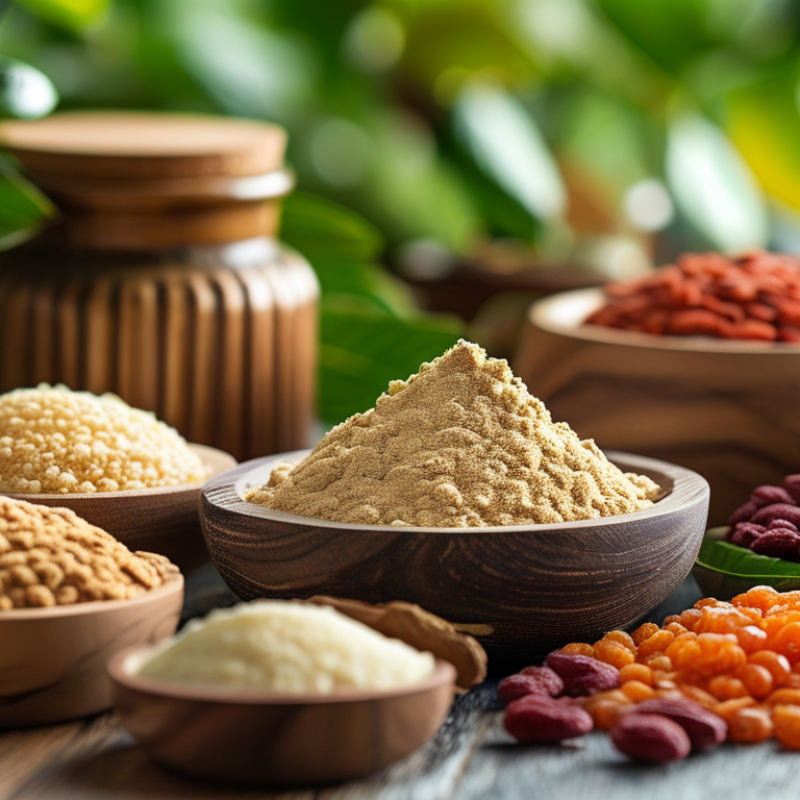
How to Identify High Quality Health Food Raw Materials?

Understanding the Importance of Quality in Health Food Raw Materials

Quality in health food raw materials is essential. High-quality ingredients ensure nutritional value. They also contribute to overall effectiveness. Without proper sourcing, the benefits may diminish. Consumers need to prioritize quality to achieve desired health outcomes.

Identifying quality begins with inspecting the sourcing process. Look for transparency in how ingredients are harvested or processed. Certifications can indicate reliability, but not all certified foods are high-quality. Examine the sourcing locations and methods. Local, organic farms often produce better results than mass-produced alternatives.

Texture and appearance also reveal quality. Freshness matters; wilted or discolored ingredients signal decline. A product’s smell can indicate its state; sour or off smells are red flags. Quality raw materials should enhance flavors, not mask them. Trust your senses and research thoroughly.

Key Characteristics of High-Quality Health Food Ingredients

Identifying high-quality health food raw materials is crucial for ensuring nutritional value and safety. Look for ingredients that are organically grown and minimally processed. They should retain essential nutrients and have no artificial additives. Quality ingredients often come from reputable sources that prioritize sustainable practices. Verification of certificates and sourcing transparency is key.

Tips: Always read labels carefully. Check for third-party certifications like organic or non-GMO. If possible, contact suppliers to learn about their sourcing methods. These actions help discern quality.

Another characteristic of high-quality health food ingredients is their freshness. Fresh ingredients provide better taste and nutrition. Expired or stale ingredients can lose their beneficial properties. Pay attention to harvest dates and storage conditions. This can affect quality and potency significantly.

Tips: When purchasing, ask about the supply chain. Understand how long the ingredients have been stored. Freshness can make a substantial difference in your health food products. Remember, not all ingredients labeled as health foods are equal. Prioritize those with a proven track record.

How to Identify High Quality Health Food Raw Materials? - Key Characteristics of High-Quality Health Food Ingredients

Characteristic Description Importance
Source Transparency Information about where and how the raw materials are sourced. Ensures ethical and sustainable sourcing practices.
Nutritional Profile A detailed account of the vitamins, minerals, and nutrients present. Determines the health benefits and effectiveness.
Purity and Quality Freedom from contaminants and additives. Critical for safety and ensuring maximum health benefits.
Certifications Third-party verifications like organic or non-GMO certifications. Builds consumer trust and validates product claims.
Traceability Ability to trace the product back to its source. Enhances accountability and combats fraud.

Methods for Assessing the Purity of Raw Materials

Assessing the purity of health food raw materials is crucial. The first step involves thorough sourcing from reliable suppliers. Look for certifications like organic or non-GMO. These indicators suggest adherence to safety and quality standards. However, not all suppliers may provide complete transparency.

Next, lab testing becomes vital. Employ independent labs for testing samples. Testing for contaminants like heavy metals, pesticides, or microbial life can paint a clearer picture. Yet, labs may differ in capabilities. Their results may not always agree, necessitating multiple tests for accuracy.

Visual inspections can offer clues too. Examine color, texture, and smell. A healthy raw material often has vibrant coloration and a natural aroma. However, subjective judgments can lead to errors. Familiarizing oneself with individual materials enhances this process. It's important to reflect on past assessments. Learning from previous experiences can refine future evaluations.

Evaluating Nutritional Profiles of Health Food Ingredients

Evaluating the nutritional profiles of health food ingredients is critical for identifying high-quality raw materials. Nutritional profiles can reveal essential vitamins, minerals, and macronutrients. Always check for key nutrients such as proteins, fiber, and healthy fats. An ingredient lacking in these can suggest lower quality.

Tips: Look for ingredients with a rich color. Brightly colored foods often contain more antioxidants. These compounds protect your body and boost overall health. A dull appearance might indicate a lackluster nutritional profile.

Understanding the source of the ingredients is equally important. Raw materials sourced from reputable farms tend to be of higher quality. Investigate the farming practices used. Organic and sustainable methods often yield nutrient-dense ingredients. This focus can lead to healthier product formulations.

Tips: Read labels carefully. Ingredients should be listed clearly and devoid of artificial additives. Complex ingredient lists may hide low-quality components. Opt for simplicity and transparency in your health food choices.

Sourcing Practices for Ensuring Quality in Health Food Supply Chains

Sourcing high-quality raw materials for health food is crucial. It starts with understanding where your ingredients come from. Look for suppliers who have transparent practices. Transparency builds trust and fosters healthy partnerships. Inquire about their sourcing methods and cultivation practices.

Visiting production sites could provide deeper insights. Observing growing conditions helps assess quality. Note any certifications the suppliers might have. Certifications can indicate adherence to industry standards. Always ask about the traceability of the raw materials. Knowing the source builds a foundation of quality.

Building relationships with suppliers matters as well. Open communication fosters collaboration. Sometimes, you may encounter challenges, such as inconsistent quality. Reflecting on these issues helps improve sourcing practices over time. Continuous learning ensures that health food remains safe and beneficial for consumers.

Health Food Raw Materials Quality Assessment

This bar chart illustrates the quality scoring of various health food raw materials based on different sourcing practices. The scores are derived from assessments considering factors like freshness, sourcing transparency, and supplier certifications.

FAQS

: How can I identify high-quality health food ingredients?

: Look for ingredients that are organically grown and minimally processed. They should retain nutrients without artificial additives.

Why is freshness important in health food ingredients?

Fresh ingredients provide better taste and nutrition. Expired or stale ingredients can lose beneficial properties significantly.

What should I check on the labels of health food products?

Always read labels for certifications like organic or non-GMO. Check for ingredient clarity and the absence of artificial additives.

How can I assess the nutritional profile of health food ingredients?

Evaluate the presence of essential nutrients such as proteins, fiber, and healthy fats. Look for vibrant colors indicating richer nutrition.

Are all health food ingredients created equal?

No, not all ingredients labeled as health foods have the same quality. Prioritize those with a proven track record for better results.

What practices should I consider when evaluating ingredient sourcing?

Investigate the farming practices used. Organic and sustainable methods generally yield better quality ingredients.

How does the supply chain affect ingredient quality?

Supply chain duration affects freshness. Ask suppliers about how long ingredients have been stored before reaching you.

Why is it essential to verify sourcing transparency?

Sourcing transparency helps ensure that ingredients are of high quality. It builds trust and confidence in your health food choices.

What role do third-party certifications play in ingredient quality?

Third-party certifications provide assurance of quality, ensuring items meet specific standards for organic or non-GMO claims.

Can a dull appearance indicate low-quality ingredients?

Yes, a dull appearance may suggest a lackluster nutritional profile. Choose brightly colored foods to maximize antioxidant intake.

Conclusion

Identifying high quality health food raw materials is crucial for ensuring the efficacy and safety of health food products. This article emphasizes the importance of understanding quality, where key characteristics of high-quality ingredients include purity, nutritional value, and sustainable sourcing. To effectively assess the purity of raw materials, various methods such as laboratory testing and certifications can be utilized.

Additionally, evaluating the nutritional profiles of ingredients is essential in determining their overall health benefits. Implementing stringent sourcing practices within the supply chain can further enhance the quality of health foods. By focusing on these aspects, producers can better understand how to identify high quality health food raw materials, ensuring that consumers receive the best possible nutritional support from their products.

Oliver

Oliver

Oliver is a seasoned marketing professional with a wealth of expertise in driving brand awareness and engagement. With a deep understanding of our company's product offerings, he consistently delivers high-quality content that enriches our professional blog. His insights not only shed light on......