As we age, our skin undergoes various changes. Wrinkles, fine lines, and loss of elasticity become visible. Many seek solutions in anti-aging ingredients. But how do anti-aging ingredients actually work? Understanding this can unlock secrets to maintaining youthful skin.
Anti-aging ingredients often target specific skin issues. Retinoids boost cell turnover, reducing fine lines. Hyaluronic acid retains moisture, giving skin a plump appearance. Peptides stimulate collagen production, improving skin texture. These compounds work in synergy to enhance skin health and appearance.
However, not all ingredients suit everyone. Different skin types react uniquely. It’s essential to choose products carefully. The effectiveness of anti-aging ingredients can vary widely among individuals. Awareness and research are crucial in making informed choices for better results.
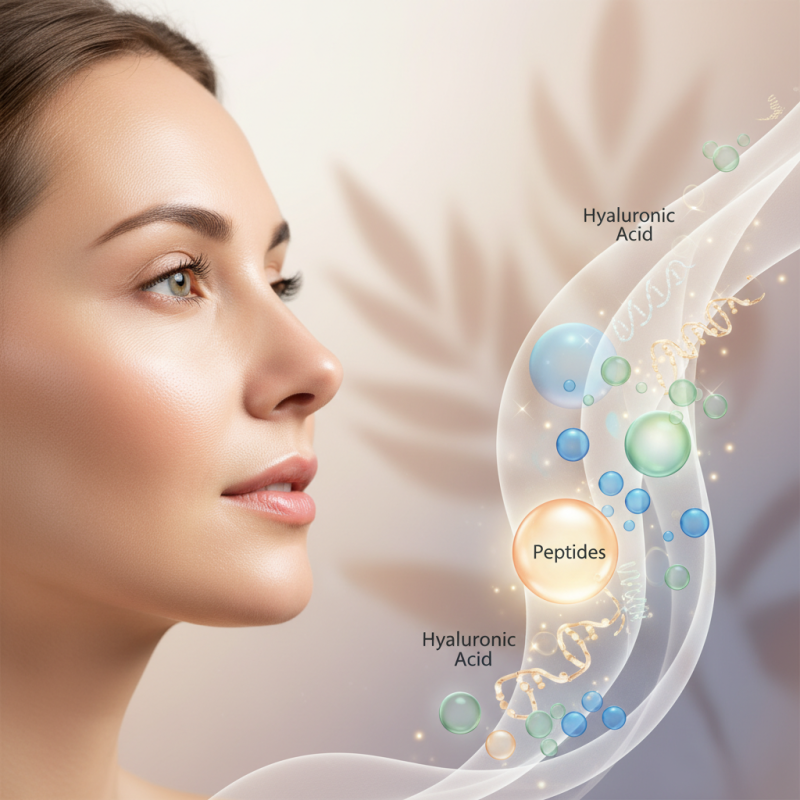
Aging is a complex process influenced by both intrinsic and extrinsic factors. Intrinsic aging involves genetic factors and natural changes in cell function. Extrinsic aging, on the other hand, is primarily due to environmental factors like sun exposure, pollution, and lifestyle choices. Research suggests that UV radiation can cause up to 80% of visible skin aging. This establishes the importance of protecting the skin throughout one’s life.
As skin ages, its structure changes. The production of collagen and elastin decreases, leading to the formation of wrinkles and sagging. A study published in the Journal of Investigative Dermatology indicates that by the age of 40, the skin loses about 10% of its collagen, and this percentage increases with age. Additionally, skin hydration diminishes, resulting in a dull appearance. Understanding these changes highlights the necessity of using effective anti-aging ingredients to combat visible signs of aging.
Despite advancements in skincare, not all ingredients deliver promised results. For example, retinoids and hyaluronic acid have shown effectiveness in studies for their roles in skin renewal and hydration. However, individual responses vary, and results can take time. It’s critical to approach anti-aging solutions with realistic expectations. Continuous research remains essential to unveil more reliable options that genuinely address the aging process.
Anti-aging ingredients have gained significant attention in skincare. Many formulas claim to reduce the appearance of fine lines and wrinkles. The effectiveness of these ingredients can vary widely.
Hyaluronic acid is one potent player. This naturally occurring substance can hold up to 1,000 times its weight in water. A study by the Journal of Clinical and Aesthetic Dermatology found that topical hyaluronic acid drastically improves skin hydration and elasticity. Users often report plumper skin and a youthful glow after consistent application.
Retinoids, derived from vitamin A, are another critical component. Research indicates that retinoids can accelerate cell turnover and stimulate collagen production. A report by the American Academy of Dermatology highlights that 80% of users notice a marked improvement in skin texture within a few months of use. However, some may experience irritation, which necessitates a gradual introduction to their routine. Finding the right balance is crucial for achieving optimal results in the quest for youthful skin.
The aging process of skin is complex and influenced by various factors. Key ingredients in skincare target specific mechanisms to promote a youthful appearance. One such mechanism involves increasing collagen production, which diminishes with age. Collagen is vital for skin elasticity and firmness. According to a study published by the American Society for Dermatologic Surgery, daily use of retinoids can increase collagen synthesis by 80% over three months.
Another crucial aspect is the role of antioxidants. Ingredients like vitamin C and niacinamide combat oxidative stress. Oxidative stress accelerates skin aging by damaging skin cells. A report from the Journal of Clinical Aesthetic Dermatology showed that topical antioxidants can reduce photoaging by 38%.
**Tip**: Incorporate products with antioxidants into your daily routine for enhanced protection against environmental stressors.
Hydration is also critical. Hyaluronic acid retains moisture, plumping the skin and reducing the appearance of fine lines. According to research, hyaluronic acid can hold up to 1000 times its weight in water. Yet, many people overlook proper hydration in their skincare routines.
**Tip**: Drink enough water throughout the day to support skin hydration from within. Regularly using a hydrating serum can complement your topical routine. It's essential to reflect on your regimen and make adjustments based on your skin’s needs.
This chart illustrates the effectiveness of various anti-aging ingredients based on their mechanisms of action targeting skin aging.
When comparing natural and synthetic anti-aging ingredients, the effectiveness can vary significantly. Natural ingredients, like plant extracts and essential oils, often contain antioxidants. These substances can combat free radicals, which damage skin cells. They may promote hydration and enhance skin elasticity, leading to a softer appearance. However, they can be less potent and slower in delivering results.
On the other hand, synthetic ingredients are frequently more research-driven. They often contain active compounds that have been tested for efficacy. Retinoids and peptides fall into this category, offering quicker visible effects. They can stimulate collagen production, making skin look firmer. Yet, they may also cause irritation in sensitive skin. Some users might experience dryness or redness, prompting concerns.
Ultimately, the choice between natural and synthetic comes down to personal preference. Some may prioritize gentle, holistic approaches, while others seek quicker results through scientifically formulated products. It's essential to consider individual skin types and reactions, as what works wonders for one person might not suit another. Testing different options and paying attention to how your skin responds is vital in your anti-aging journey.
Incorporating anti-aging products into your skincare routine can transform how your skin looks and feels. Start by identifying key ingredients such as retinol, hyaluronic acid, and antioxidants. These are known for their effectiveness in promoting youthful skin.
When adding these products, ensure to do it gradually. This helps to avoid irritating your skin. Introduce one new product at a time, monitoring how your skin responds. It’s common to experience some redness or sensitivity initially. If this occurs, give your skin time to adjust and reduce usage if necessary.
Consistency is crucial. For optimal results, apply anti-aging products consistently and follow a regimen. Use these products at least twice a week, gradually increasing as tolerated. Remember to include sunscreen during the day, as some ingredients can increase sun sensitivity. Staying committed is essential, but don’t be deterred by potential setbacks. Skincare is a journey that requires patience.
: Ingredients work by targeting mechanisms like collagen production, hydration, and oxidative stress reduction.
Collagen is essential for skin elasticity and firmness, which decline with age.
Daily use of retinoids may boost collagen synthesis by 80% within three months.
Antioxidants combat oxidative stress, which damages skin cells and accelerates aging.
Introduce products gradually, one at a time, to monitor skin reactions and avoid irritation.
Allow your skin to adjust and reduce usage if irritation occurs.
Yes, hyaluronic acid retains moisture, plumping skin and minimizing fine lines.
Aim to drink enough water daily to support skin moisture from within.
Reflect on your regimen, assess if adjustments are needed based on your skin's response.
Regular application of products is key to achieving optimal anti-aging results over time.
The article "How Do Anti-Aging Ingredients Work For Younger Looking Skin?" delves into the complex aging process and its effects on the skin, highlighting how various anti-aging ingredients can counteract these changes. It provides a comprehensive overview of key anti-aging ingredients, discussing their functions and the scientific mechanisms by which they target skin aging.
Furthermore, the article compares the effectiveness of natural versus synthetic anti-aging ingredients, shedding light on their respective benefits and limitations. To assist readers in optimizing their skincare routine, practical tips for incorporating these products are also provided. Ultimately, understanding how do anti-aging ingredients actually work allows individuals to make informed choices in their pursuit of younger-looking skin.

SehatiCore Supplement