The global health food market is evolving rapidly, driven by consumer demand for transparency and quality. A 2022 survey by Grand View Research indicated that the clean label food market is expected to reach $985 billion by 2027, reflecting a compound annual growth rate of 6.8%. This trend emphasizes the importance of understanding how to formulate clean label health food products.
Formulating such products involves using simple ingredients without artificial additives or preservatives. Companies must prioritize transparency, communicating ingredient sources clearly to build trust with consumers. Recent studies suggest that up to 70% of consumers prefer products with clean labels. However, achieving this can present challenges.
Balancing taste, shelf-life, and cost while ensuring product integrity requires a deep understanding of food science principles. Moreover, limitations in sourcing can lead to compromises. Businesses must navigate these complexities while staying committed to the clean label ethos. Each decision, however small, carries weight in establishing a reputable health food brand. Embracing these challenges is vital for success in creating clean label health food products amid rising global competition.
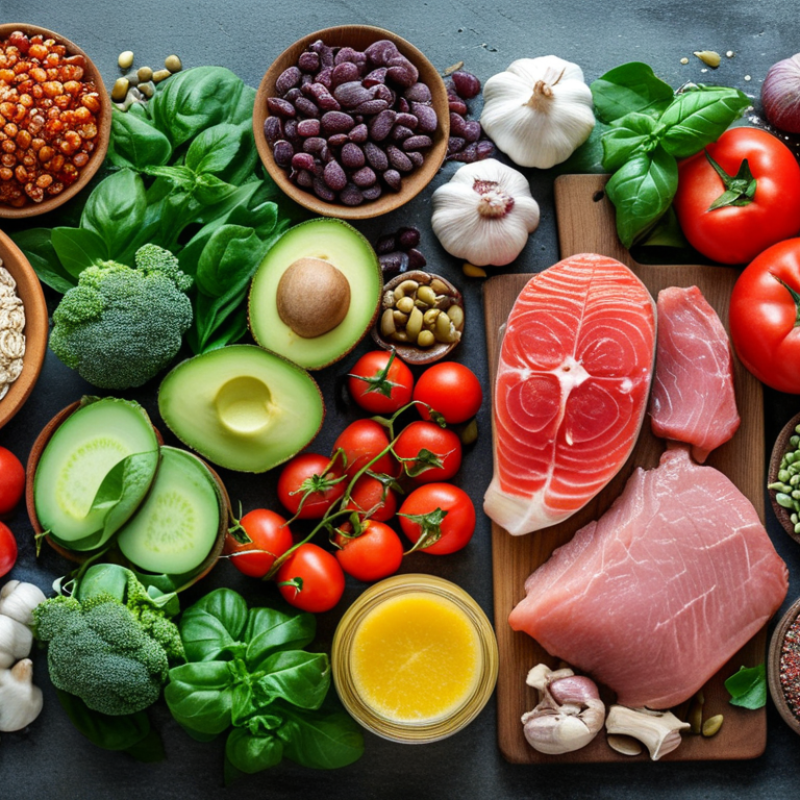
Creating clean label health food products is essential in today’s market. The concept of clean label focuses on transparency and simplicity. Consumers now seek products with understandable ingredients. They want foods that are minimally processed and free from artificial additives.
To achieve a clean label, list ingredients clearly. Use simple, recognizable terms. Avoid jargon that may confuse consumers. This builds trust and reliability. Providing detailed nutritional information also enhances transparency. It allows buyers to make informed decisions about their food choices.
Consider these tips when developing your product. Engage in consumer research to understand their preferences. Test recipes with different ingredient combinations. Seek feedback and be open to adjustments. Learn from missteps, as they often lead to improvement. Always strive for more clarity in your labeling.
Creating clean label health food products begins with understanding what to include and what to avoid. Transparency is key. Consumers seek products with recognizable ingredients. Focus on whole foods that provide nutritional benefits. Ingredients like quinoa, chia seeds, and organic fruits are excellent choices. They offer both flavor and health benefits, making them appealing to global buyers.
Avoid artificial ingredients, preservatives, and excessive sugars. Many consumers today are cautious about what they eat. The absence of complex chemicals on a label can boost a product's appeal. Highlight natural sweeteners like honey or maple syrup instead. They enhance flavor naturally and fit clean label standards. Additionally, sticking to gluten-free and non-GMO options can expand your customer base.
Packaging also plays a role in how these products are perceived. Labels should clearly convey the product’s benefits. An ideal label tells a story, reflecting the quality of the ingredients. However, there can be challenges. Sourcing high-quality ingredients can be costly and time-consuming. Brands must balance quality with affordability. Continuous feedback from consumers can help refine products over time, ensuring they meet evolving health trends.
Regulatory standards for clean label products vary significantly around the globe. In Europe, for instance, transparency is paramount. Companies must provide clear ingredient lists and avoid additives. The European Food Safety Authority sets stringent rules. These rules ensure consumer safety and informed choices. Many buyers prioritize certifications like organic or non-GMO. Obtaining these certifications can elevate a product's market appeal.
In the United States, the situation is slightly different. The Food and Drug Administration outlines labeling requirements. Clean labels should reflect an honest representation of the product. However, terms like "natural" lack a clear definition in the U.S. This ambiguity can confuse consumers. Manufacturers often grapple with how to provide clarity while complying with regulations.
Navigating the regulatory landscape demands diligence. Missteps can lead to penalties or loss of consumer trust. Keeping up with frequent changes in regulations requires constant vigilance. Companies must adapt and innovate to meet evolving standards. Balancing compliance with consumer expectations is an ongoing challenge. Brands need to invest in understanding local regulations to achieve success.
Creating clean label health food products requires a strategic marketing approach. According to recent industry reports, 70% of consumers actively seek transparent ingredient lists. This shift indicates a growing demand for foods without artificial additives. To attract global buyers, brands must convey the simplicity of their ingredients.
Communicating efficacy is vital. Highlighting health benefits can emphasize the product's value. Data from the Clean Label Project reveals that 61% of consumers are willing to pay more for clean label products. Businesses should harness social media to share ingredient stories. Engaging customers through platforms like Instagram can humanize brands.
Consider this: not every claim resonates. Some health benefits can be misunderstood. Continuous consumer education is critical. Customers may not fully grasp what “natural” means. Be prepared to refine messaging based on feedback. Engage in dialogues with your audience. This fosters trust and credibility, essential in a crowded market.
The demand for clean label products continues to grow globally. A recent survey found that over 60% of consumers prefer food products without artificial ingredients or preservatives. This trend is driven by increased health awareness among consumers. They are seeking transparency in food labeling. Clear and understandable labels build trust and loyalty.
In 2022, the clean label market was valued at approximately $44 billion. It is projected to reach $64 billion by 2028. This growth highlights the shift in consumer preferences. People want foods that are minimally processed and made from familiar ingredients. Data shows that 70% of millennials prioritize natural ingredients in their purchasing decisions.
However, challenges remain for manufacturers. Sourcing clean ingredients can be difficult, and costs may rise. Balancing quality, availability, and price is essential. Brands must invest in research to understand consumer preferences better. They also need effective marketing strategies to communicate their clean label initiatives. By addressing these complexities, companies can meet the growing global demand for clean label foods.
: Clean label products are foods with clear ingredient lists and minimal processing. They avoid artificial ingredients.
Transparency builds consumer trust. Clear labels help consumers make informed choices about what they eat.
In Europe, the European Food Safety Authority sets strict rules for ingredient listing and additive use.
The U.S. has labeling requirements, but terms like "natural" lack clear definitions, causing confusion among consumers.
Increased health awareness drives consumers to prefer foods without artificial ingredients and preservatives.
The clean label market was valued at around $44 billion in 2022, highlighting its growing importance.
Sourcing clean ingredients can be difficult and costly. Balancing quality, availability, and price is essential.
About 70% of millennials prioritize natural ingredients in their purchasing decisions.
Companies can invest in understanding local regulations and consumer preferences to enhance their clean label offerings.
Frequent changes in regulations can affect compliance. Missteps may result in penalties, risking consumer trust.
Creating clean label health food products involves a comprehensive understanding of the clean label concept, which emphasizes transparency and simplicity in ingredient lists. To formulate clean label health food products, manufacturers should focus on including wholesome, recognizable ingredients while excluding artificial additives and preservatives. Adhering to regulatory standards across different global markets is crucial for compliance and market acceptance.
Furthermore, effective marketing strategies that highlight the benefits and authenticity of clean label products can resonate well with consumers. As global trends show an increasing demand for transparency and clean labels, it's vital for producers to stay ahead by understanding consumer preferences and adapting their offerings accordingly. This approach not only meets consumer demands but also positions brands favorably in a competitive market.

SehatiCore Supplement