Why Choosing the Right Raw Materials for Anti Acne Formulations Matters?

Time:2026-06-10 Author:Isabella
0%

Choosing the right raw materials for anti-acne formulations is crucial. Acnes can result from various factors, including hormones and bacteria. Therefore, selecting effective ingredients can enhance product efficacy. Knowing how to choose raw materials for anti-acne formulations requires understanding skin types and individual needs.

There are numerous options available, yet not all are appropriate for every user. Some ingredients may irritate sensitive skin, while others can provide relief. It's essential to carefully evaluate each component's properties. For instance, salicylic acid helps unclog pores, but it may not be suitable for everyone.

Moreover, continuous advancements in formulation science lead to frequent changes in the marketplace. Some trendy ingredients may lack the necessary research or proven benefits. This creates uncertainty for formulators and consumers alike. A thoughtful selection process is essential for creating reliable, effective products that truly benefit the skin.
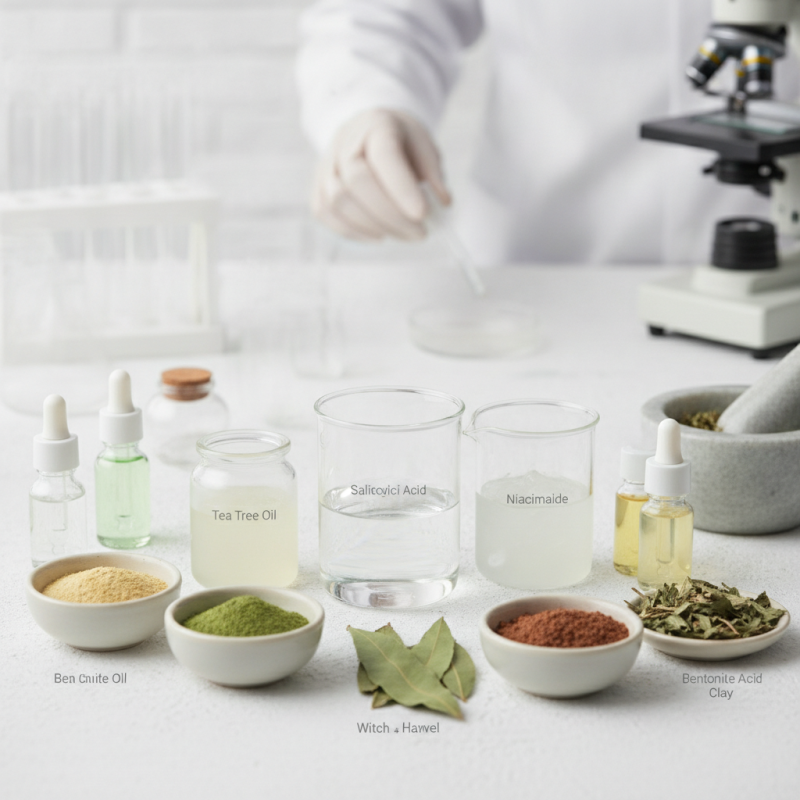
Why Choosing the Right Raw Materials for Anti Acne Formulations Matters?

Importance of Raw Materials in Anti-Acne Products

Choosing the right raw materials is crucial for creating effective anti-acne formulations. The quality of ingredients directly impacts product performance. Poorly formulated products may irritate the skin or fail to deliver results. Natural extracts, for instance, can soothe inflammation and reduce redness. However, not all ingredients are created equal. Some may cause allergic reactions or worsen acne for certain skin types.

Active compounds like salicylic acid are known for their effectiveness in treating acne. However, sourcing this ingredient from reputable suppliers is essential. This ensures purity and efficacy. Many do not realize that preservatives can also play a role. Harsh preservatives might irritate sensitive skin, making the acne worse. A careful balance of ingredients is vital.

Formulators often face challenges selecting the right raw materials. Each ingredient should complement, not conflict with, others. Testing is necessary, even for popular components. Skipping this step can lead to negative outcomes. The industry needs to continually refine formulations based on consumer feedback. Awareness and education about ingredient choices can empower consumers.

Key Ingredients for Effective Acne Treatment Formulations

Choosing the right ingredients for acne treatment is crucial. The effectiveness of an anti-acne formulation hinges on the raw materials used. Key ingredients play a significant role in addressing various skin types and concerns. For instance, salicylic acid penetrates pores, helping to clear impurities. This ingredient is known for its ability to reduce inflammation and promote exfoliation.

Another important ingredient is benzoyl peroxide. It attacks acne-causing bacteria and reduces excess oil. However, it can cause dryness and irritation. Balancing these effects is essential for a successful formulation. Additionally, natural ingredients like tea tree oil have gained popularity. They offer antibacterial properties without the harsh effects of synthetic chemicals.

It’s vital to tailor formulations to individual skin needs. Not every ingredient works for everyone. Some may experience sensitivity or breakouts despite using well-known components. This variability highlights the importance of thorough testing and personalization in acne treatment. Understanding how different ingredients interact with skin types is key to achieving desired results.

Evaluation of Natural vs Synthetic Raw Materials for Acne Solutions

When evaluating raw materials for anti-acne formulations, the choice between natural and synthetic options is crucial. Natural ingredients often provide gentle care, aligning with skin's biology. They might have fewer side effects but can vary in potency. Synthetic materials, while effective, can irritate sensitive skin. Understanding these differences helps formulators choose wisely.

A key tip is to analyze formulation goals. If aiming for gentle control, natural extracts like tea tree or willow bark might shine. For faster results, synthetic ingredients like salicylic acid may be beneficial. Balance is essential. A mix of both can offer both efficacy and gentleness.

Listening to user feedback enhances formulation success. Each skin type responds differently. Conduct small patch tests to ensure compatibility. Also, continuously evaluate the formulation based on consumer experiences and results. This iterative approach is vital for developing effective acne solutions.

Comparison of Natural vs Synthetic Raw Materials for Anti-Acne Formulations

Impact of Quality and Purity on Product Efficacy

Choosing the right raw materials for anti-acne formulations can significantly affect the final product's efficacy. The quality of ingredients determines how well a formulation will perform on the skin. Impurities or subpar raw materials can lead to ineffective treatments. They may even exacerbate acne rather than alleviate it. For effective results, every ingredient counts.


Purity is essential. Impure substances can introduce harmful elements, compromising the formulation's safety and success. For instance, a common problem arises when certain preservatives or fillers cause irritation. This can frustrate users seeking relief. Striking the perfect balance between efficacy and safety requires an expert understanding of raw materials.


Tips: Look for transparent sourcing information when selecting raw materials. Pay attention to certificates of analysis to verify quality. Also, consider testing for skin compatibility. Understanding the role of each ingredient helps create a well-rounded, effective product.

Regulatory Considerations in Sourcing Raw Materials for Acne Treatments

When sourcing raw materials for anti-acne formulations, regulatory considerations play a vital role. Companies must adhere to stringent guidelines to ensure consumer safety. Each ingredient must be thoroughly assessed for potential risks. Not all promising compounds are compliant with regulations. This necessity can limit formulation options, leading to a dilemma for manufacturers.

Ingredient sourcing isn't just about efficacy; it involves navigating complex regulations. For instance, the purity and sourcing of active ingredients are scrutinized. Manufacturers might face challenges in sourcing sustainable, safe materials that meet regulatory standards. This dynamic often requires an ongoing evaluation process. A lack of thorough research may lead to unreliable products that fail to deliver results.

Furthermore, innovative raw materials may come with unknown risks. Some may not have been extensively tested under regulatory frameworks. Companies must remain vigilant. Collaborating with reputable suppliers can mitigate risks but requires due diligence. Ultimately, understanding regulatory landscapes is essential for developing safe and effective acne treatments.

Why Choosing the Right Raw Materials for Anti Acne Formulations Matters? - Regulatory Considerations in Sourcing Raw Materials for Acne Treatments

Raw Material Function Regulatory Status Sourcing Considerations
Salicylic Acid Exfoliant and Anti-inflammatory Approved with specific concentrations Ensuring supplier compliance with purity standards
Benzoyl Peroxide Antibacterial Regulated in various markets Assessing the stability and concentration
Tea Tree Oil Natural Antiseptic Recognized as safe in cosmetic formulations Source sustainability and ethical extraction
Niacinamide Anti-inflammatory and Skin Barrier Repair Widely accepted in skincare Verifying bioavailability and compatibility
Zinc PCA Sebum Regulation Allows safety claims Checking for heavy metal contamination

FAQS

: Why are raw materials important in anti-acne products?

: The right raw materials ensure effective formulations that help treat acne without irritating the skin.

Can natural ingredients help with acne treatment?

Yes, natural extracts can soothe inflammation and reduce redness, but not all are effective for every skin type.

What are the risks of using poorly formulated anti-acne products?

They can irritate the skin, worsen acne, or lead to allergic reactions in some users.

How do preservatives affect anti-acne products?

Harsh preservatives may irritate sensitive skin, potentially worsening acne, so careful selection is vital.

How can a mix of natural and synthetic ingredients be beneficial?

This combination can provide both gentle care and effective results, addressing various skin issues efficiently.

Why is user feedback important in formulating anti-acne products?

Different skin types respond uniquely, so ongoing evaluation based on feedback ensures products meet consumer needs effectively.

What regulatory considerations must be made in sourcing ingredients?

Companies must adhere to guidelines for safety and assess ingredients for potential risks to ensure compliance.

What challenges do manufacturers face when sourcing raw materials?

Navigating regulations while ensuring the purity and sustainability of ingredients can limit formulation options.

How can patch tests be useful in product formulation?

Conducting small patch tests helps ensure ingredient compatibility with different skin types and prevents adverse reactions.

What should companies consider about innovative raw materials?

New ingredients might carry unknown risks, making thorough research and testing crucial for safety and efficacy.

Conclusion

Choosing the right raw materials for anti-acne formulations is crucial for the effectiveness and safety of the products. The importance of raw materials lies in their capability to directly influence the formulation's efficacy against acne. Key ingredients, whether they are derived from natural sources or synthesized, play a significant role in combating acne. Evaluating the benefits and drawbacks of natural versus synthetic raw materials allows formulators to create products that meet diverse consumer needs.

Additionally, the quality and purity of the raw materials are vital in ensuring product performance and safety. High-quality ingredients not only enhance the treatment's effectiveness but also minimize the risk of adverse reactions. Moreover, regulatory considerations should guide the sourcing of raw materials, ensuring compliance with health and safety standards. Therefore, understanding how to choose raw materials for anti-acne formulations is essential for developing safe and effective skincare solutions that meet consumer demands.

Isabella

Isabella

Isabella is a dedicated marketing professional with a sharp focus on driving brand growth and engagement through strategic content creation. With an extensive background in digital marketing, she combines her passion for storytelling with her keen understanding of industry trends to deliver......