2026 Top Antioxidants How Do They Protect Skin from Aging?

Time:2026-11-05 Author:Sophia
0%

Skin aging is shaped by time, genetics, sun exposure, pollution, and everyday habits. Fine lines may appear beside the eyes, while uneven tone or a rough patch can make skin look tired. Antioxidants are often presented as a simple fix. They are not. Their value depends on the ingredient, its formulation, and how consistently it is used.

So, how do antioxidants protect skin from aging? In broad terms, they help limit oxidative stress caused by unstable molecules generated by sunlight and other environmental exposures. Vitamin C, vitamin E, niacinamide, green tea compounds, and coenzyme Q10 are among the ingredients studied for skin care. Some may support collagen-related processes or improve the look of dullness, but results differ between products and people. Evidence for one cream cannot automatically be applied to every serum or supplement.

A practical routine matters. A well-formulated antioxidant serum may complement daily broad-spectrum sunscreen, not replace it. Patch testing can help identify irritation, especially for sensitive skin. Packaging also matters: vitamin C can lose stability when exposed to air and light, so a dark, tightly sealed bottle is a useful detail to check. Small choices count.

The research is promising, but not flawless. Marketing can move faster than evidence, and “anti-aging” claims may oversimplify normal changes in skin. This guide explores leading antioxidants for 2026, what research suggests they can do, and how to choose them with realistic expectations.
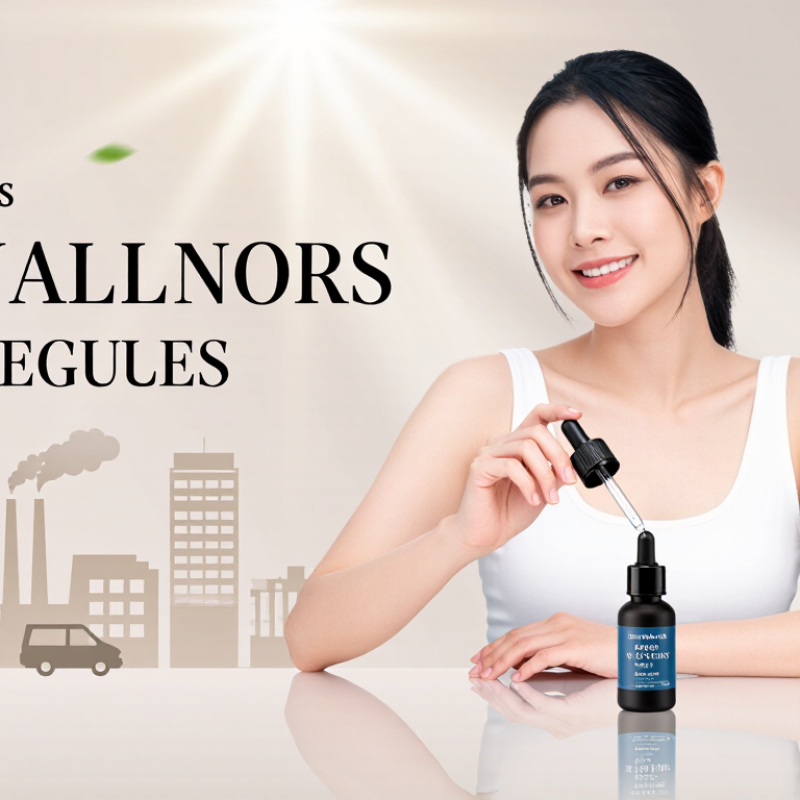
2026 Top Antioxidants How Do They Protect Skin from Aging?

What Antioxidants Are and How Skin Aging Develops

Antioxidants are compounds that help control reactive oxygen species (ROS), unstable molecules formed during normal metabolism and increased by ultraviolet (UV) exposure. Some are produced in the skin, including enzymes such as superoxide dismutase. Others come from food or are studied in topical formulas. Skin aging has two intertwined paths. Intrinsic aging gradually thins skin and slows repair. UV light and pollution can speed visible changes by increasing oxidative stress. This stress can damage cell components and disrupt collagen and elastin, fibers that help skin stay firm and flexible. Small changes accumulate.

A 2010 British Journal of Dermatology study examined 298 French women and estimated that sun exposure accounted for 80.3% of facial-aging signs in its sample. That is a striking figure, but not a universal prediction; the researchers studied a specific group, and skin tone, habits, and climate vary. A tidy percentage can mislead. Research on topical antioxidants, including vitamins C and E, also depends on formulation and stability, so results may differ between products and studies. Antioxidants may support the skin’s defenses, but they do not erase past exposure or stop natural aging.

How Antioxidants Protect Skin from Oxidative Stress

Antioxidants help limit oxidative stress, a process in which reactive molecules damage skin components. Sunlight and air pollution can increase these molecules. Over time, oxidative damage may affect collagen and contribute to uneven tone, fine lines, and a rougher feel. The process is gradual. It is not the whole story.

Skin also makes its own antioxidant defenses, including enzymes that help control reactive molecules. Antioxidants in skincare, such as vitamin C, vitamin E, and niacinamide, may support these defenses in different ways. Some help neutralize reactive molecules; others support the skin barrier or reduce signs of irritation. Results depend on the formula, stability, and regular use. A serum can change color in sunlight or air, which may signal that it has degraded.

Protection works best as a routine, not a miracle step. Broad-spectrum sunscreen helps reduce UV exposure, while a gentle moisturizer supports the barrier. Antioxidants do not replace either one. The evidence is encouraging, but products are not interchangeable, and visible changes can be modest. Skin is complicated. Even a careful routine cannot stop every sign of aging.

Top Antioxidants for Skin Care in 2026

Top skin-care antioxidants in 2026 are less about miracle ingredients and more about choosing a well-made formula. Topical vitamin C has evidence for helping limit oxidative damage and may improve uneven tone over time. Vitamin E can complement it in some formulas, while green tea polyphenols offer another antioxidant option. Results depend on stability, concentration, and skin tolerance. Not every serum stays effective.

Check the packaging and storage instructions. An opaque, tightly sealed bottle can help protect light-sensitive ingredients. A serum that changes color or smell may have degraded, though appearance alone cannot confirm this. Apply a small amount to clean, dry skin, then use moisturizer and broad-spectrum sunscreen during the day. Antioxidants complement sunscreen; they do not replace it. Small changes matter.

More ingredients do not always mean better results. A simple routine can make it easier to notice irritation or decide whether a product suits your skin. Patch test first. Evidence varies between ingredients and formulas, and benefits are usually gradual rather than dramatic. If a product causes persistent burning or redness, stop using it and seek advice from a qualified skin-care professional.

How to Choose and Apply Antioxidants Effectively

Choose one antioxidant that fits your skin and routine instead of layering several new serums. Vitamin C is widely studied for daytime use; niacinamide may suit some people seeking a gentler option. Check the ingredient list, concentration, and packaging. Vitamin C can degrade with light and air, so an opaque, tightly closed bottle is practical. A 2017 review in Nutrients reports that skin uptake generally plateaus around 20%; stronger formulas may irritate without improving absorption. One easy mistake: chasing the highest percentage. Patch test first.

Apply a thin layer to clean, dry skin, then moisturiser and broad-spectrum sunscreen each morning. If a serum causes persistent stinging, stop using it; discomfort is not proof that it works. Antioxidants complement sunscreen, not replace it. In a 2013 Journal of Clinical Oncology follow-up of the Nambour randomized trial, the daily-sunscreen group had roughly half as many melanomas overall, though the estimate was imprecise. Consistency matters more than a crowded shelf, and even a sensible routine may need adjusting as your skin changes.

Topical Antioxidants: Commonly Studied Concentration Ranges

A practical comparison of two well-studied antioxidant ingredients. The ranges are representative, not universal recommendations or a measure of comparative effectiveness.

How to choose and apply: Vitamin C (L-ascorbic acid) is commonly used in the morning beneath moisturizer and broad-spectrum sunscreen. Niacinamide is generally compatible with morning or evening routines and can support the skin barrier. Start with one active at a time, follow product directions, and patch test if your skin is sensitive. Antioxidants complement sunscreen; they do not replace it.

Concentration ranges vary by formulation and study. References: Al-Niaimi & Chiang, Journal of Clinical and Aesthetic Dermatology (2017); Bissett et al., Dermatologic Surgery (2005).

Safety, Skin Compatibility, and Common Precautions

Antioxidants such as vitamin C, niacinamide, and green tea extracts may help limit damage from environmental stressors. They do not stop aging or replace sunscreen. A formula that suits one person may sting another, especially on dry, sensitive, or recently exfoliated skin. Skin compatibility matters.

Test a new product on a small area for several days before applying it widely. Watch for persistent burning, swelling, or a spreading rash. Stop using it if these occur, and seek medical advice for severe or ongoing symptoms. Keep it simple. Introduce one new product at a time, so you can better identify what caused a reaction. Even then, the cause may not be obvious.

Vitamin C can feel irritating, while acids or retinoids may add to dryness when layered with other active ingredients. Start with a modest routine, follow the product directions, and avoid applying it to broken skin. Store formulas as directed; changes in color, smell, or texture can signal that a product has degraded. If you have a skin condition, use prescription treatments, or are unsure about an ingredient, ask a dermatologist or pharmacist. It is easy to assume that more actives mean better care. Often, they just mean more chances for irritation.

FAQS

Should I use several antioxidant serums at once?

Start with one that fits your skin and routine. More layers can mean more irritation. Keep it simple.

Is a higher vitamin C concentration always better?

Not necessarily. A review reported that skin uptake generally plateaus around 20%. Stronger formulas may irritate without improving absorption. Chasing percentages is tempting, but not always useful.

How should I apply an antioxidant serum?

Apply a thin layer to clean, dry skin. Follow with moisturiser and broad-spectrum sunscreen in the morning.

Can antioxidants replace sunscreen?

No. They may complement sunscreen, but they do not replace it. Daily use matters.

How can I check whether a new product suits my skin?

Test it on a small area for several days before wider use. Watch for persistent burning, swelling, or a spreading rash.

What should I do if a product keeps stinging?

Stop using it. Discomfort does not mean the product is working. Seek medical advice for severe or ongoing symptoms.

Can I combine antioxidants with acids or retinoids?

Combining active ingredients may increase dryness or irritation. Start modestly, follow product directions, and avoid applying products to broken skin. More is not always better.

How should I store vitamin C products?

Follow the storage directions. An opaque, tightly closed bottle can limit exposure to light and air. Changes in color, smell, or texture may signal degradation.

When should I ask a professional for advice?

Ask a dermatologist or pharmacist if you have a skin condition, use prescription treatments, or feel unsure about an ingredient. The cause of a reaction may not be obvious.

Conclusion

Skin aging develops through a mix of natural changes and environmental stressors, including ultraviolet exposure and pollution. These factors can create oxidative stress, which may damage skin cells and contribute to uneven tone, dryness, and the gradual loss of firmness. Antioxidants help limit this damage by neutralizing unstable molecules and supporting the skin’s natural protective and repair processes. Understanding how do antioxidants protect skin from aging can help guide a thoughtful, consistent skincare routine.

Common antioxidant ingredients include vitamin C, vitamin E, niacinamide, and plant-derived compounds. Choosing products suited to your skin type and applying them as directed can make a routine easier to maintain; antioxidants are often used in the morning alongside sunscreen, while other formulas may suit evening use. Introduce new products gradually, check ingredient labels, and stop using a product if irritation occurs. Sensitive skin may benefit from patch testing or advice from a qualified skincare professional. Antioxidants can support healthier-looking skin, but they do not prevent all signs of aging or replace sun protection.

Sophia

Sophia

Sophia is a dedicated marketing professional with an exceptional depth of knowledge about her company's products and services. With a keen understanding of market trends and customer needs, she crafts insightful blog posts that not only inform but also engage readers, enriching the company’s online......